Your Health Tip for Today | 3 September 2026
今日健康小贴士 | 2026年9月3日
Your Health Tip for Today | 03 September 2026
Your Health Tip for Today | 03 September 2026

All collected updates from verified Solomon Islands sources.
Your Health Tip for Today | 03 September 2026
Your Health Tip for Today | 03 September 2026
National health programme targets malaria-affected provinces A national health settings and advocacy programme underway in Auki, Malaita Province, is targeting provinces identified as having significant malaria problems. The five-day programme brings together health officials and provincial stakeholders to strengthen community-based approaches to addressing malaria and other health challenges. The provinces and areas identified as targets include Malaita, Guadalcanal, Central Islands, Honiara City, Western and Choiseul. READ MORE: https://theislandsun.com.sb/national-health-programme.../
National health programme targets malaria-affected provinces 在马莱塔省的奥基(Auki)进行的国家健康设置和倡导计划,旨在针对被确定为存在显著疟疾问题的省份。 为期五天的计划汇集了卫生官员和省级利益相关者,以加强社区基础的方法来应对疟疾和其他健康挑战。 被确定为目标的省份和地区包括马莱塔、瓜达尔卡纳尔、中央群岛、霍尼亚拉市、西部和乔治王岛。 阅读更多: https://theislandsun.com.sb/national-health-programme.../
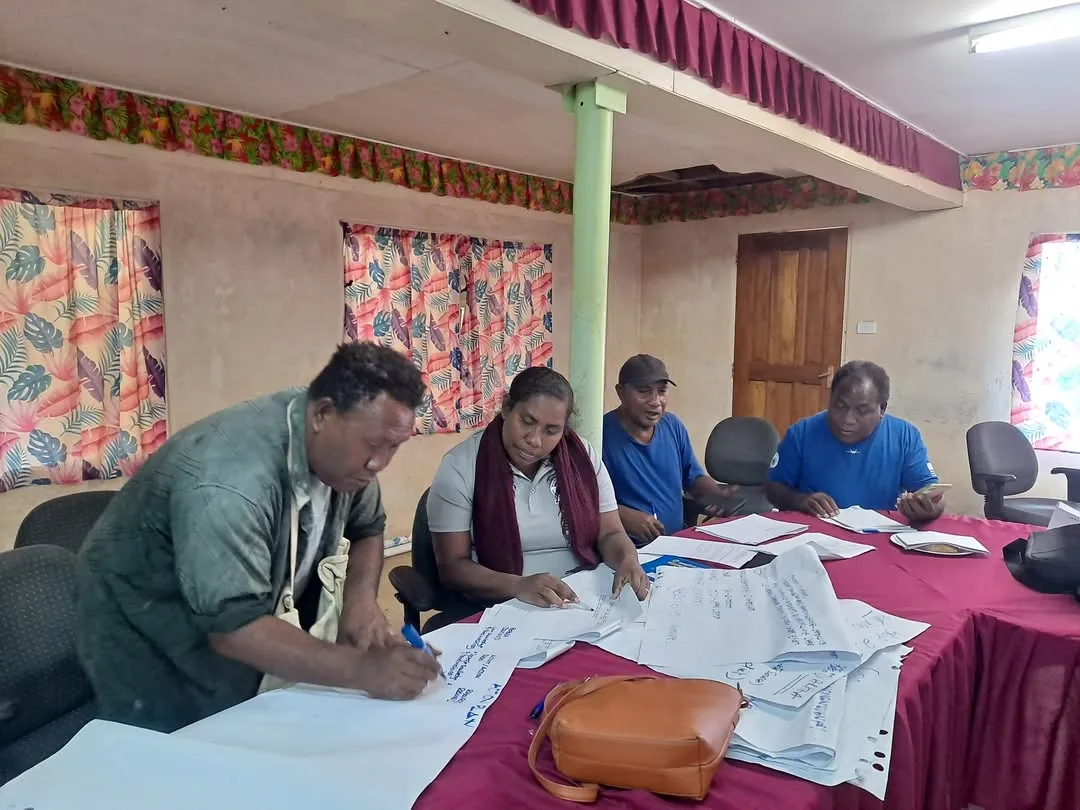
By RODRICK DESURI Auki A five-day national Healthy Settings programme aimed at strengthening provincial health leadership, policy commitment and community action is currently underway in Auki, Malaita Province. The programme, led by the Ministry of Health and Medical Services (MHMS), is focusing on strengthening the implementation of the Healthy Settings approach and initiatives across Malaita. National healthy setting coordinator of Ministry of Health and Medical Services, Selwyn Warito, said the programme provides an opportunity to review and strengthen the Provincial Healthy Settings Coordinating Committee while increasing awareness among key stakeholders. Warito said the programme also aims to strengthen the capacity of provincial health workers to implement the Healthy Settings programme using the newly developed implementation guidelines. Group presentation. “We have completed the first three days of training on the implementation guidelines for provincial health workers since Monday,” he said. “Tomorrow, we will move into advocacy with the Malaita Health Council and stakeholders with stakeholders and churches, and on Friday we will conduct advocacy and awareness with the Malaita Provincial Government executive,” he said. He said the programme has six key objectives: advocacy and awareness; establishing or reviewing the Provincial Healthy Settings Coordinating Committee; training health workers on the new Healthy Settings guidelines; policy integration; capacity strengthening; and partnership and coordination. Warito said the Healthy Settings programme is not a new initiative, but an existing national programme that requires renewed attention and stronger implementation at the provincial level. He said the national programme has already been conducted in Guadalcanal, Honiara City Council and Makira, with Malaita now becoming the latest province to undertake the programme. The initiative is expected to strengthen coordination between the health sector, provincial leadership, communities and other stakeholders in promoting healthier environments and improving health outcomes across Malaita.
作者:罗德里克·德苏里 奥基 一个为期五天的国家健康环境项目,旨在加强省级健康领导力、政策承诺和社区行动,目前正在马莱塔省的奥基进行。 该项目由卫生和医疗服务部(MHMS)主导,重点是加强健康环境方法和倡议在马莱塔的实施。 卫生和医疗服务部国家健康环境协调员 Selwyn Warito 表示,该项目为审查和加强省级健康环境协调委员会提供了机会,同时提高关键利益相关者的意识。 Warito 表示,该项目还旨在增强省级卫生工作者实施健康环境项目的能力,使用新开发的实施指南。 小组展示。 “自周一以来,我们已经完成了针对省级卫生工作者实施指南的前三天培训,”他说。 “明天,我们将与马莱塔健康委员会和利益相关者以及教会进行宣传,而在周五,我们将与马莱塔省政府的执行部门进行宣传和意识提升,”他说。 他说,该项目有六个主要目标:宣传和意识提升;建立或审查省级健康环境协调委员会;对卫生工作者进行新健康环境指南的培训;政策整合;能力增强;以及伙伴关系与协调。 Warito 表示,健康环境项目并不是一项新倡议,而是一个现有的国家项目,需要在省级层面重新关注和加强实施。 他说,国家项目已经在瓜达尔卡纳尔、霍尼亚拉市和马基拉进行,而马莱塔现在成为最新开展该项目的省份。 该倡议预计将加强健康部门、省级领导、社区和其他利益相关者之间的协调,以促进更健康的环境并改善马莱塔的健康结果。
BY RODRICK DESURI Auki People of West Kwaio in Malaita Province have expressed their appreciation to UNICEF Solomon Islands and the Australian Government for supporting major improvements to rural health services in the constituency. The acknowledgement was made by West Kwaio Constituency Development Officer Bobby Siarani on behalf of the people during the official handover ceremony at Sinamauri Rural Health Centre on Monday. Through the partnership, three rural health facilities in West Kwaio have received solar electrification, while the Australian Government, through the Department of Foreign Affairs and Trade (DFAT), has supported staff housing, water tanks, and other essential improvements. Siarani said the support had delivered meaningful investments for communities across West Kwaio, including three rural health facilities, 31 water tanks and other essential projects aimed at improving the well-being and living standards of their rural people. He said the partnership has demonstrated the importance of government, development partners and communities working together to address service needs in rural areas. “First, I would like to acknowledge the Australian Government through the Department of Foreign Affairs and Trade, UNICEF, Ministry of Health and Medical Services, Malaita Provincial Government and Provincial Health Services for working together in delivering this essential investment,” he said. He said the solar electrification has supported three health facilities in West Kwaio, as they were among the seven primary healthcare facilities in Malaita Province to receive solar power support. “For our people here in West Kwaio, this investment is meaningful to us because three of our rural health facilities are part of the seven primary healthcare facilities that have been solarised,” he said. He further acknowledged UNICEF for providing technical support, assessments and expertise to ensure the solar systems were properly designed and installed to meet the needs of the health facilities. Siarani also thanked the communities, chiefs and people of Sinamauri for their commitment and cooperation in supporting the implementation of the projects. He said the investments would strengthen rural healthcare delivery and provide health workers with improved facilities and a better environment to serve people in remote communities. He also said continued cooperation between government, development partners and local communities would be essential to ensuring such investments deliver lasting benefits for the people. For feedback, contact: rodrickdesuri50@gmail.com Editor: irwin2angiki@gmail.com
作者:RODRICK DESURI Auki 马莱塔省西夸伊奥人民对联合国儿童基金会所罗门群岛和澳大利亚政府表示感谢,感谢他们对该选区农村健康服务的重大改善提供支持。 这一感谢是在周一Sinamauri农村健康中心的正式交接仪式上,由西夸伊奥选区发展官Bobby Siarani代表人民发表的。 通过这一伙伴关系,西夸伊奥的三家农村健康设施获得了太阳能电力,而澳大利亚政府通过外交与贸易部(DFAT)支持了员工住房、水箱和其他必要的改善。 Siarani表示,这一支持为西夸伊奥的社区带来了有意义的投资,包括三家农村健康设施、31个水箱和其他旨在改善农村人民福祉和生活标准的项目。 他表示,这一伙伴关系展示了政府、发展伙伴和社区共同努力解决农村地区服务需求的重要性。 “首先,我要感谢澳大利亚政府通过外交与贸易部、联合国儿童基金会、卫生和医疗服务部、马莱塔省政府和省卫生服务部共同努力,提供这一重要投资,”他说。 他说,太阳能电力支持了西夸伊奥的三家健康设施,因为它们是马莱塔省七家获得太阳能支持的初级医疗设施之一。 “对于我们西夸伊奥的人民来说,这一投资对我们意义重大,因为我们的三家农村健康设施是七家已实现太阳能化的初级医疗设施之一,”他说。 他进一步感谢联合国儿童基金会提供技术支持、评估和专业知识,以确保太阳能系统的设计和安装满足健康设施的需求。 Siarani还感谢Sinamauri的社区、首领和人民对项目实施的承诺和合作。 他说,这些投资将加强农村医疗服务,为医疗工作者提供更好的设施和环境,以服务偏远社区的人民。 他还表示,政府、发展伙伴和地方社区之间的持续合作对于确保这些投资为人民带来持久的利益至关重要。 如需反馈,请联系:rodrickdesuri50@gmail.com 编辑:irwin2angiki@gmail.com
BY TONY IROGA SWITZERLAND has offered financial and logistical support to help Solomon Islands re-establish a permanent diplomatic mission in Geneva, Switzerland. The offer was made by Switzerland’s Special Envoy for the Pacific Region and Ambassador accredited to Solomon Islands, Her Excellency Barbara Anna Gonzenbach, during a bilateral meeting with Foreign Affairs and External Trade Minister Rick Houenipwela and Minister for National Planning and Development Coordination Peter Kenilorea Jr. in Koror, Palau. A statement from Prime Minister’s Office on Tuesday 1 st September said, the Swiss support package would assist Solomon Islands with key costs involved in establishing and maintaining a permanent mission in Geneva. This includes support for office accommodation and limited assistance towards residential accommodation for the head of mission. Ambassador Gonzenbach said Geneva offered a unique platform for small island states to engage directly with a wide range of international organisations and countries without having to maintain numerous diplomatic missions around the world. “For Solomon Islands, a permanent presence in Geneva would provide direct access to these institutions and strengthen the country’s ability to advance national and Pacific priorities on climate change, health, trade, human rights, sustainable development and international cooperation,” she said. Geneva is home to several major international institutions, including the United Nations Office at Geneva, World Health Organization, World Trade Organization, World Meteorological Organization and the Human Rights Council. Minister Houenipwela welcomed the Swiss Government’s offer, noting that Solomon Islands had previously maintained a diplomatic presence in Geneva before later consolidating its representation in Brussels. He said the concentration of international organisations and diplomatic missions in Geneva could provide an opportunity for Solomon Islands to make better use of its limited diplomatic resources. “As a Small Island State, we cannot have missions everywhere,” Minister Houenipwela said. He also noted that a Geneva mission could provide opportunities to engage through the Commonwealth Small States Office and identify other ways to reduce the operational costs of maintaining a diplomatic mission. In response to questions from Minister Kenilorea on office and residential accommodation, Ambassador Gonzenbach confirmed that substantial assistance could be made available under the Swiss proposal. Switzerland also offered administrative assistance, including access to interns and other support mechanisms to help a small Solomon Islands mission operate effectively. Ambassador Gonzenbach emphasised that a Geneva mission should be viewed as a long-term strategic investment for Solomon Islands. She also informed the meeting that Solomon Islands could explore double accreditation, with its head of mission accredited to international organisations in Geneva while also serving as a resident representative in Geneva, an arrangement possible for certain countries. The Swiss offer now provides the Solomon Islands Government with an opportunity to reassess its diplomatic footprint and consider whether a renewed presence in Geneva could deliver greater strategic value. Minister Houenipwela welcomed the proposal and thanked Ambassador Gonzenbach and the Swiss Government for the offer. He said the proposal would receive the highest consideration by the Solomon Islands Government. For feedback, contact: tonyiroga8@gmail.com Editor: irwin2angiki@gmail.com
作者:托尼·伊罗加 瑞士已提供财务和后勤支持,以帮助所罗门群岛在瑞士日内瓦重新建立常驻外交使团。 这一提议是由瑞士太平洋地区特使、驻所罗门群岛大使巴巴拉·安娜·贡岑巴赫(Her Excellency Barbara Anna Gonzenbach)在与外交事务和对外贸易部长里克·霍恩尼普维拉(Rick Houenipwela)及国家规划与发展协调部长彼得·肯尼洛雷亚(Peter Kenilorea Jr.)在帕劳科罗尔举行的双边会议中提出的。 所罗门群岛总理办公室在9月1日(星期二)发布的声明中表示,瑞士的支持方案将帮助所罗门群岛承担在日内瓦建立和维持常驻使团所需的关键费用。 这包括对办公室住宿的支持以及对使团首席的住宅住宿的有限援助。 贡岑巴赫大使表示,日内瓦为小岛屿国家提供了一个独特的平台,使其能够直接与各种国际组织和国家进行接触,而无需在全球范围内维持众多外交使团。 “对于所罗门群岛而言,在日内瓦的常驻存在将为这些机构提供直接接触,并增强该国在气候变化、健康、贸易、人权、可持续发展和国际合作等方面推进国家和太平洋优先事项的能力,”她说。 日内瓦是多个主要国际机构的总部,包括日内瓦联合国办事处、世界卫生组织、世界贸易组织、世界气象组织和人权理事会。 霍恩尼普维拉部长欢迎瑞士政府的提议,指出所罗门群岛此前曾在日内瓦维持外交存在,后来将其代表机构整合到布鲁塞尔。 他说,国际组织和外交使团在日内瓦的集中可以为所罗门群岛更好地利用其有限的外交资源提供机会。 “作为一个小岛屿国家,我们无法在每个地方都设立使团,”霍恩尼普维拉部长说。 他还指出,日内瓦的使团可以通过英联邦小国办公室提供参与机会,并寻找其他方式来降低维持外交使团的运营成本。 在肯尼洛雷亚部长关于办公室和住宅住宿的提问中,贡岑巴赫大使确认,根据瑞士的提议,可以提供大量援助。 瑞士还提供行政支持,包括提供实习生和其他支持机制,以帮助小型所罗门群岛使团有效运作。 贡岑巴赫大使强调,日内瓦的使团应被视为所罗门群岛的长期战略投资。 她还告知会议,所罗门群岛可以探索双重认证的可能性,即其首席代表在日内瓦的国际组织中获得认证,同时也担任日内瓦的常驻代表,这种安排在某些国家是可行的。 瑞士的提议现在为所罗门群岛政府提供了重新评估其外交足迹的机会,并考虑在日内瓦的重新存在是否能带来更大的战略价值。 霍恩尼普维拉部长欢迎这一提议,并感谢贡岑巴赫大使和瑞士政府的支持。 他说,该提议将得到所罗门群岛政府的高度重视。 如需反馈,请联系:tonyiroga8@gmail.com 编辑:irwin2angiki@gmail.com
Your Health Tip For Today | 02 September 2026
今日健康小贴士 | 2026年9月2日

By RODRICK DESURI Auki Seven rural health facilities in Malaita Province are now powered by solar energy in a major boost to the delivery of essential health services for mothers, children and remote communities. The successful installation of solar electrification systems marks an important investment in strengthening primary health care, particularly in rural areas where reliable electricity remains a challenge. The facilities now have access to a sustainable source of energy that will support maternal and child health services, immunisation, emergency care and other essential medical services. The systems will also strengthen the facilities’ resilience during severe weather and other disruptions to electricity supply. The project was delivered through collaboration between UNICEF, the Australian Government through the Department of Foreign Affairs and Trade (DFAT), the Ministry of Health and Medical Services, Malaita Provincial Government and local communities. Speaking at the official handover ceremony, UNICEF Nutrition Officer Salome Aroma Namohunu said the achievement demonstrated the importance of strong partnerships in improving health services for Solomon Islanders. She conveyed the apologies and best wishes of the UNICEF Chief Field Officer and Maternal and Child Health Specialist, who were unable to attend the ceremony. “I would like to convey the apologies of the UNICEF Chief Field Officer and Maternal and Child Health Specialist for missing this occasion. However, they have conveyed their best wishes for the successful handover programme,” she said. Namohunu acknowledged the leadership of the Ministry of Health and Medical Services and Malaita Provincial Health Services, while thanking the Australian Government through DFAT for its continued partnership and commitment to improving the wellbeing of Solomon Islanders. She said investment in primary health care was an investment in children and the future of communities. “Investing in every primary health care facility is an investment in our children,” she said. However, Namohunu said that the success of the solar systems would depend not only on the installation but also on long-term local ownership and proper maintenance. “Their long-term success will depend on the continued commitment of health workers, communities, provincial authorities, and the Ministry of Health and Medical Services to care for and protect these valuable assets,” she said. She reaffirmed UNICEF’s commitment to working alongside the national government and its partners to strengthen primary health care and improve the health and wellbeing of children, women and communities across Solomon Islands. For feedback, contact: rodrickdesuri50@gmail.com Editor: irwin2angiki@gmail.com
作者:RODRICK DESURI 奥基 马莱塔省的七个农村医疗设施现在由太阳能供电,这为母亲、儿童和偏远社区提供基本医疗服务带来了重大提升。 太阳能电气化系统的成功安装标志着在加强初级医疗保健方面的重要投资,特别是在可靠电力仍然是挑战的农村地区。 这些设施现在可以获得可持续的能源来源,以支持母婴健康服务、免疫接种、紧急护理和其他基本医疗服务。 这些系统还将增强设施在恶劣天气和其他电力供应中断期间的韧性。 该项目是通过联合国儿童基金会(UNICEF)、澳大利亚政府通过外交与贸易部(DFAT)、卫生与医疗服务部、马莱塔省政府和当地社区的合作实施的。 在官方移交仪式上,UNICEF营养官员Salome Aroma Namohunu表示,这一成就展示了在改善所罗门群岛人民健康服务方面强大合作伙伴关系的重要性。 她转达了UNICEF首席现场官员和母婴健康专家因无法出席仪式而表示的歉意和美好祝愿。 “我想转达UNICEF首席现场官员和母婴健康专家对错过这一时刻的歉意。然而,他们对成功的移交项目表示最美好的祝愿,”她说。 Namohunu感谢卫生与医疗服务部和马莱塔省卫生服务的领导,同时感谢澳大利亚政府通过DFAT对改善所罗门群岛人民福祉的持续合作和承诺。 她表示,投资初级医疗保健就是投资儿童和社区的未来。 “投资于每一个初级医疗设施就是在投资我们的孩子,”她说。 然而,Namohunu表示,太阳能系统的成功不仅取决于安装,还取决于长期的地方拥有权和适当的维护。 “它们的长期成功将依赖于卫生工作者、社区、省级当局和卫生与医疗服务部对照顾和保护这些宝贵资产的持续承诺,”她说。 她重申了UNICEF与国家政府及其合作伙伴共同努力,加强初级医疗保健,改善所罗门群岛儿童、女性和社区健康与福祉的承诺。 如需反馈,请联系:rodrickdesuri50@gmail.com 编辑:irwin2angiki@gmail.com
The China Medical Team (CMT) has provided free medical checks and medicines to officers of the Royal Solomon Islands Police... The post China Steps Up Police Support with Free Medical Care for RSIPF appeared first on In-depth Solomons .
中国医疗队(CMT)为皇家所罗门群岛警察的官员提供了免费的医疗检查和药品...... 该文章最初发布于 In-depth Solomons。
By RODRICK DESURI Auki Nurses serving at Sinamauri Rural Health Centre (RHC) in West Kwaio, Malaita Province, have applauded UNICEF and the Australian Government, through the Department of Foreign Affairs and Trade (DFAT), for improving facilities at the clinic. The nurses expressed their appreciation during a short tour of the facility with officials following the handover ceremony yesterday afternoon. UNICEF supported the successful installation of a solar photovoltaic (PV) system, while the Australian Government supported the construction of a staff house. The improvements are expected to strengthen primary healthcare services at the rural facility through sustainable and climate-resilient solutions. One of the nurses, Maxwell Oloisae said the new facilities would greatly support their work, particularly during night operations and emergencies. “For sure, it really helps and supports our services. For the past few days that we have had the lights, it has helped us attend to patients and carry out our work smoothly and successfully without hindrance,” he said. “This is much better than before, when we had to use a torch during the night to check patients and attend to emergency cases.” Mercy Suarana, a female nurse responsible for assisting mothers during deliveries, said the solar power had addressed a long-standing challenge faced by the clinic when mothers arrived for delivery at night. “This is much better than before. We now have lights if a mother goes into labour at night, and we can also preserve medicines that require power because we now have electricity. “Even though we still use our old delivery room, essential services are now available and operational. Before, we had to rely on the torch on our mobile phones,” Suarana said. Meanwhile, Ministry of Health and Medical Services representative and Director of Kilu’ufi Hospital, Dr David Danitofea urged the community and surrounding communities to take ownership of the improved facilities. He said the facilities should be properly maintained and protected so they could continue serving the people of Sinamauri and surrounding communities for many years and benefit future generations.
作者:RODRICK DESURI 奥基 在马莱塔省西夸伊奥的西纳毛里乡村卫生中心(RHC)工作的护士们对联合国儿童基金会(UNICEF)和澳大利亚政府通过外交事务和贸易部(DFAT)改善诊所设施表示赞赏。 护士们在与官员进行短暂的设施参观时表达了他们的感激之情,此次参观是在昨天下午的交接仪式之后进行的。 联合国儿童基金会支持成功安装了太阳能光伏(PV)系统,而澳大利亚政府则支持建设了一座员工宿舍。 这些改善预计将通过可持续和气候适应性解决方案加强乡村设施的初级医疗服务。 护士之一的麦克斯韦·奥洛萨耶(Maxwell Oloisae)表示,新设施将极大地支持他们的工作,特别是在夜间操作和紧急情况下。 “这确实有助于支持我们的服务。在过去几天里,我们有了灯光,这帮助我们顺利而成功地照顾病人,开展工作,没有任何障碍,”他说。 “这比以前好多了,以前我们晚上检查病人和处理紧急情况时必须使用手电筒。” 负责协助母亲分娩的女护士梅西·苏阿拉纳(Mercy Suarana)表示,太阳能解决了诊所长期以来面临的一个挑战,即母亲在夜间到达分娩时的问题。 “这比以前好多了。如果母亲在晚上临产,我们现在有灯光,我们还可以保存需要电力的药物,因为我们现在有电。 “尽管我们仍在使用旧的分娩室,但基本服务现在可用且正常运作。以前,我们不得不依赖手机上的手电筒,”苏阿拉纳说。 与此同时,卫生与医疗服务部代表、基卢菲医院(Kilu’ufi Hospital)院长大卫·达尼托费(Dr David Danitofea)呼吁社区及周边社区对改善后的设施承担责任。 他说,这些设施应得到妥善维护和保护,以便它们能够继续为西纳毛里及周边社区服务多年,并惠及未来的几代人。
By RODRICK DESURI Auki UNICEF Solomon Islands has officially handed over solar electrification systems to seven rural primary healthcare facilities in Malaita Province. The official handover ceremony was held today at Sinamauri Rural Health Care Centre in West Kwaio, Malaita Province. The seven facilities benefiting from the solar electrification project are Ata’a Rural Health Care Centre, Kwainabesi Rural Health Care Centre, Malu’u Rural Health Care Centre, Rafufu Rural Health Care Centre, Sinamauri Rural Health Care Centre, Lesiala Rural Health Care Centre, and Rohinari Rural Health Care Centre. The ceremony was witnessed by Malaita Provincial Premier Elijah Asilau’a, West Kwaio Constituency Development Officer Bobby Siarani, UNICEF representative Salome Aroma Namohunu, Second Secretary of the Australian Department of Foreign Affairs and Trade (DFAT) Bridgette Cottrill, and Dr David Danitofea from the Ministry of Health and Medical Services. UNICEF nutrition officer, Salome Aroma with representatives of all key partners posed for a photo. The investment is valued at nearly SBD$1.89 million (approximately USD$236,000) and is expected to benefit thousands of people across Malaita for years to come. Speaking during the ceremony, UNICEF representative Salome Aroma Namohunu thanked the Ministry of Health and Medical Services, the Australian Government through DFAT, Malaita Provincial Health Services, community leaders, health workers and other partners for their support in making the project possible. She described the handover as an important achievement that would not only support patients but also improve working conditions for health workers and strengthen the capacity of rural healthcare facilities. “On behalf of UNICEF, I thank all the key partners who made this achievement possible,” she said. She said the handover marked the successful completion of the installation of solar photovoltaic (PV) systems at seven primary healthcare facilities across Malaita Province. Community members and leaders attending the handover. “The event also celebrates the partnership between the Government of Solomon Islands, the Australian Government through DFAT and UNICEF in strengthening primary healthcare services through sustainable and climate-resilient energy solutions,” she said. Namohunu also recognised the contribution of provincial authorities, health workers and communities in supporting the implementation of the initiative. She reaffirmed UNICEF’s commitment to working alongside the Solomon Islands Government and its partners to strengthen primary healthcare services and improve the health and wellbeing of children, women and communities across the country. The solar systems are expected to provide more reliable and sustainable electricity to the rural facilities, supporting essential healthcare services and improving access to quality healthcare for remote communities. For feedback, contact: rodrickdesuri50@gmail.com Editor: irwin2angiki@gmail.com
作者:RODRICK DESURI 奥基 联合国儿童基金会(UNICEF)所罗门群岛办公室正式向马莱塔省的七个农村初级卫生保健设施移交了太阳能电气化系统。 官方移交仪式今天在马莱塔省西夸约的西纳毛里农村卫生保健中心举行。 受益于太阳能电气化项目的七个设施分别是:Ata’a农村卫生保健中心、Kwainabesi农村卫生保健中心、Malu’u农村卫生保健中心、Rafufu农村卫生保健中心、西纳毛里农村卫生保健中心、Lesiala农村卫生保健中心和Rohinari农村卫生保健中心。 马莱塔省省长Elijah Asilau’a、西夸约选区发展官Bobby Siarani、联合国儿童基金会代表Salome Aroma Namohunu、澳大利亚外交与贸易部(DFAT)二秘Bridgette Cottrill以及卫生与医疗服务部的David Danitofea博士见证了此次仪式。 联合国儿童基金会营养官Salome Aroma与所有主要合作伙伴的代表合影。 此次投资价值近189万所罗门元(约合236,000美元),预计将使马莱塔省数千人受益多年。 在仪式上,联合国儿童基金会代表Salome Aroma Namohunu感谢卫生与医疗服务部、通过DFAT的澳大利亚政府、马莱塔省卫生服务、社区领导、卫生工作者及其他合作伙伴对项目的支持。 她表示,移交仪式是一个重要的成就,不仅将支持患者,还将改善卫生工作者的工作条件,并增强农村卫生设施的能力。 “我代表联合国儿童基金会,感谢所有使这一成就成为可能的主要合作伙伴,”她说。 她指出,移交标志着在马莱塔省七个初级卫生保健设施成功完成太阳能光伏(PV)系统的安装。 参加移交仪式的社区成员和领导。 “此次活动还庆祝所罗门群岛政府、通过DFAT的澳大利亚政府与联合国儿童基金会之间在通过可持续和气候适应性能源解决方案加强初级卫生保健服务方面的合作关系,”她说。 Namohunu还认可了省级当局、卫生工作者和社区在支持该倡议实施方面的贡献。 她重申了联合国儿童基金会与所罗门群岛政府及其合作伙伴共同努力,加强初级卫生保健服务,提高全国儿童、女性和社区的健康与福祉的承诺。 预计这些太阳能系统将为农村设施提供更可靠和可持续的电力,支持基本卫生保健服务,并改善偏远社区的优质医疗服务获取。
BY RODRICK DESURI AUKI The challenges faced by health workers in rural communities are real, and communities must take ownership of their health facilities to ensure essential services are maintained, Malaita Provincial Premier Elijah Asilau’a has urged. Premier Asilau’a made the appeal during the official handover of solar electrification to seven Rural Health Care Centres in Malaita Province. He said the health facilities and solar systems represent important investments made for the benefit of the people, particularly mothers, unborn babies, children, elderly people and future generations. “Let us protect the solar equipment, maintain the health facilities and support our health workers in ensuring that these services continue to operate effectively,” Premier Asilau’a said. “Taking care of them means we protect an investment that will continue to bring better health services, hope and improved lives to our communities for many years to come,” he added. Meanwhile, Ministry of Health and Medical Services representative and Director of Kilu’ufi Hospital, Dr David Danitofea, also appealed to community leaders and members to take ownership of the rural health facilities and protect the new solar equipment. Dr Danitofea made the appeal while delivering his key remarks during the official handover ceremony at Sinamauri Rural Health Care Centre. He said looking after the facilities would not only benefit communities but also provide better working conditions and support for health workers serving in rural areas. “When we look after these health facilities, it will help us and also support our health workers,” Dr Danitofea said. He recalled an incident at Rafufu Rural Health Care Centre where health workers had to continue their operations without proper lighting. “We have used mobile phones and vehicle lights to complete our operations for patients. So, with these facilities, it will transform our rural health care into a more reliable and effective service,” he said. The new solar electrification is expected to improve the ability of the seven rural health facilities to provide essential health services, particularly during power outages and at night. For feedback, contact: rodrickdesuri50@gmail.com Editor: irwin2angiki@gmail.com
作者:RODRICK DESURI 奥基 马莱塔省首相埃利亚·阿西劳(Elijah Asilau’a)呼吁,农村社区面临的卫生工作者挑战是真实的,社区必须承担起对其卫生设施的责任,以确保基本服务的持续提供。 阿西劳首相在马莱塔省七个农村卫生保健中心的太阳能电气化正式移交仪式上发表了这一呼吁。 他说,卫生设施和太阳能系统代表了为人民,特别是母亲、未出生的婴儿、儿童、老年人和未来几代人所做的重要投资。 “让我们保护太阳能设备,维护卫生设施,并支持我们的卫生工作者,确保这些服务能够有效运作,”阿西劳首相说。 “照顾这些设施意味着我们保护了一项投资,这项投资将继续为我们的社区带来更好的卫生服务、希望和改善的生活,持续多年,”他补充道。 与此同时,卫生与医疗服务部代表、基卢乌菲医院(Kilu’ufi Hospital)院长大卫·达尼托费(Dr David Danitofea)也呼吁社区领导和成员承担起农村卫生设施的责任,并保护新的太阳能设备。 达尼托费医生在西纳毛里农村卫生保健中心的正式移交仪式上发表了重要讲话时提出了这一呼吁。 他说,照顾这些设施不仅会使社区受益,还将为在农村地区服务的卫生工作者提供更好的工作条件和支持。 “当我们照顾这些卫生设施时,这将帮助我们,也支持我们的卫生工作者,”达尼托费医生说。 他回忆起在拉夫夫农村卫生保健中心(Rafufu Rural Health Care Centre)发生的一起事件,当时卫生工作者不得不在没有适当照明的情况下继续工作。 “我们曾使用手机和车辆灯光来完成患者的操作。因此,有了这些设施,我们的农村卫生保健将转变为更可靠和有效的服务,”他说。 新的太阳能电气化预计将提高七个农村卫生设施提供基本卫生服务的能力,特别是在停电和夜间。
BY NED GAGAHE Police are investigating an armed robbery in White River after masked men allegedly broke into a shop, assaulted a Chinese national and fled with a large amount of cash on August 22. A press statement from Police media today confirmed that several masked suspects gained entry to the shop through a rear door before attacking the victim. One of the suspects allegedly struck the victim on the forehead with a weapon before the group fled the scene with the cash. The victim sustained injuries during the incident and was rushed to the National Referral Hospital (NRH) for medical treatment. Police said two male suspects have since been arrested as investigations continue. Investigators also recovered SBD$18,000, which police believe may be connected to the robbery. Police are treating the case as an attempted murder and robbery investigation and are continuing efforts to identify and arrest other suspects who remain at large. Police said one person of interest is believed to be a Papua New Guinean national who is known to police in connection with previous alleged offences. Police are appealing to anyone who may have witnessed the incident or noticed suspicious activity around XX Store at White River on August 22 to come forward with information. Members of the public can contact White River Police on 21363. Police have assured the public that investigations are continuing and that information provided by members of the public will be handled appropriately as part of the investigation. For feedback, contact: tonyiroga8@gmail.com Editor: irwin2angiki@gmail.com
作者:内德·加加赫 警方正在调查白河一起武装抢劫事件,蒙面男子涉嫌于8月22日闯入一家商店,殴打一名中国国籍人士并携带大量现金逃离。 警方媒体今天发布的新闻稿确认,几名蒙面嫌疑人通过后门进入商店,然后袭击了受害者。 其中一名嫌疑人涉嫌用武器击打受害者的额头,随后该团伙携带现金逃离现场。 受害者在事件中受伤,被紧急送往国家转诊医院(NRH)接受治疗。 警方表示,目前已有两名男性嫌疑人被捕,调查仍在继续。 调查人员还找回了18000所罗门元(SBD),警方认为这可能与抢劫有关。 警方将此案视为企图谋杀和抢劫的调查,并继续努力识别和逮捕仍在逃的其他嫌疑人。 警方表示,一名被关注的人员被认为是与之前涉嫌犯罪有关的巴布亚新几内亚国籍人士。 警方呼吁任何可能目击事件或在8月22日注意到白河XX商店周围可疑活动的人提供信息。 公众可以拨打21363联系白河警方。 警方向公众保证,调查仍在继续,公众提供的信息将作为调查的一部分得到妥善处理。 反馈请联系:tonyiroga8@gmail.com 编辑:irwin2angiki@gmail.com
BY NED GAGAHE MORE than 200 people in Isabel Province have been screened for tuberculosis (TB) as health authorities step up efforts to detect the disease early and prevent its spread in communities. The targeted TB contact investigation and preventive treatment mission was conducted from July 24-30 with support from the Ministry of Health and Medical Services (MHMS), National Tuberculosis and Leprosy Programme and Isabel Provincial Health Office, a media statement by World Bank said today. The mission screened 220 TB contacts, including 189 contacts of rifampicin-resistant TB cases and 31 contacts of drug-susceptible TB cases. Of those screened, 33 people were diagnosed with latent TB infection, and all eligible contacts were started on tuberculosis preventive treatment (TPT). The health team also detected three new TB cases, which were linked to treatment to ensure they received timely care and to reduce the risk of further transmission within households and communities. More than 200 people were also reached through community awareness activities, focusing on TB symptoms, prevention, treatment adherence and the importance of seeking medical care early. The mission also targeted frontline health workers, with 49 healthcare workers screened and 11 diagnosed with latent TB infection and started on preventive treatment. Minister of Health and Medical Services Morris Toiraena said the results demonstrated the importance of taking TB services directly to communities. “These results show the value of bringing TB services closer to communities through active screening, early detection and preventive treatment,” he said. Mr Toiraena said identifying people at risk early, linking confirmed cases to treatment and strengthening provincial health workers’ skills would help protect families and reduce TB transmission. Isabel Provincial Health Director Martin Gavira thanked the health teams for their work and technical support, particularly the training conducted on latent and active TB at Buala Hospital. He said the provincial health team looked forward to continuing the work. The mission also focused on strengthening the province’s capacity to manage TB cases beyond the outreach period. Thirteen healthcare workers were trained and mentored in TB contact investigation and preventive treatment. Their knowledge scores improved from 49 percent before training to 81 percent after training. The team also provided six days of practical coaching and on-site support to build the confidence and skills of provincial health workers. Supportive supervision was conducted at Buala Hospital, while outreach activities were carried out in Rifukoti village in Buala Ward and Kolosori village in Hovikoilo Ward. The activities were aimed at improving TB reporting and monitoring, infection prevention and control, and the implementation of preventive treatment at provincial and community levels. WHO Representative in Solomon Islands Dr Howard Sobel said contact tracing remained a critical part of TB prevention. “Contact tracing lies at the heart of tuberculosis prevention,” Mr Sobel said. He said Isabel Province had demonstrated the importance of ensuring every TB case was followed by a thorough contact investigation to identify people at risk early. Sobel commended the province for what he described as comprehensive, timely and high-quality contact tracing. MHMS and its partners also acknowledged the support of the Isabel Provincial Health Office, Buala Hospital staff, community leaders and health workers in making the mission successful. The mission was funded by the Australian Government Department of Foreign Affairs and Trade (DFAT) and The Global Fund to Fight AIDS, Tuberculosis and Malaria. Implementation support was provided by the Burnet Institute and World Vision Solomon Islands.
作者:内德·加加赫 在伊莎贝尔省,超过200人接受了结核病(TB)筛查,卫生部门加大了早期发现疾病和防止其在社区传播的努力。 这次针对结核病接触者的调查和预防治疗任务于7月24日至30日进行,得到了卫生与医疗服务部(MHMS)、国家结核病和麻风项目以及伊莎贝尔省卫生办公室的支持,世界银行今天在一份媒体声明中表示。 此次任务筛查了220名结核病接触者,其中包括189名利福平耐药结核病病例的接触者和31名药物敏感型结核病病例的接触者。 在筛查中,33人被诊断为潜伏性结核感染,所有符合条件的接触者均开始接受结核病预防治疗(TPT)。 卫生团队还发现了三例新结核病病例,并将其与治疗联系起来,以确保他们及时获得护理,并减少家庭和社区内进一步传播的风险。 通过社区宣传活动,超过200人也获得了有关结核病症状、预防、治疗依从性和早期寻求医疗的重要性的知识。 此次任务还针对一线卫生工作者,共筛查了49名医务人员,11人被诊断为潜伏性结核感染并开始接受预防治疗。 卫生与医疗服务部长莫里斯·托伊雷纳表示,结果表明将结核病服务直接带入社区的重要性。 “这些结果显示,通过主动筛查、早期发现和预防治疗,将结核病服务更贴近社区的价值,”他说。 托伊雷纳表示,早期识别高风险人群,将确诊病例与治疗联系起来,并加强省级卫生工作者的技能,将有助于保护家庭并减少结核病传播。 伊莎贝尔省卫生主任马丁·加维拉感谢卫生团队的工作和技术支持,特别是在布阿拉医院进行的潜伏性和活动性结核病培训。 他说,省卫生团队期待继续这项工作。 此次任务还着重于增强省级管理结核病病例的能力,超越外展期间。 13名医务人员接受了结核病接触调查和预防治疗的培训和指导。 他们的知识评分从培训前的49%提高到培训后的81%。 团队还提供了六天的实践指导和现场支持,以增强省卫生工作者的信心和技能。 在布阿拉医院进行了支持性监督,同时在布阿拉区的里夫科提村和霍维科伊洛区的科洛索里村开展了外展活动。 这些活动旨在改善结核病报告和监测、感染预防和控制,以及在省级和社区层面实施预防治疗。 世界卫生组织在所罗门群岛的代表霍华德·索贝尔博士表示,接触追踪仍然是结核病预防的关键部分。 “接触追踪是结核病预防的核心,”索贝尔说。 他说,伊莎贝尔省展示了确保每个结核病病例都经过彻底接触调查以早期识别高风险人群的重要性。 索贝尔赞扬该省所进行的全面、及时和高质量的接触追踪。 卫生与医疗服务部及其合作伙伴还对伊莎贝尔省卫生办公室、布阿拉医院工作人员、社区领导和卫生工作者在此次任务成功中所提供的支持表示感谢。 此次任务由澳大利亚政府外交与贸易部(DFAT)和全球基金会资助,旨在抗击艾滋病、结核病和疟疾。 实施支持由伯内特研究所和世界愿景所罗门群岛提供。
SBD250m Naha Birthing and Urban Health Centre opens, expanding primary healthcare services for 50,000 Honiara residents. The SBD250 million Naha Birthing and Urban Health Centre officially opened yesterday, marking a major investment in Solomon Islands’ healthcare system and introducing expanded primary health services designed to serve a catchment population of about 50,000 people. The facility [...] The post $250M NAHA CENTRE OPENS AS FIRST URBAN HEALTH CENTRE IN HONIARA appeared first on Tavuli News (Solomon Islands) .
所罗门元250万的Naha分娩和城市健康中心开幕,扩展了霍尼亚拉5万居民的初级医疗服务。 所罗门元250万的Naha分娩和城市健康中心于昨日正式开幕,标志着对所罗门群岛医疗系统的重大投资,并引入了旨在服务约5万人口的扩展初级健康服务。该设施...... 该文章《2.5亿所罗门元NAHA中心在霍尼亚拉开幕,成为首个城市健康中心》最初发布在Tavuli News(所罗门群岛)上。
BY JOSES SAREN Solomon Islands’ health system is a decentralised network of facilities, from the National Referral Hospital in Honiara down to rural clinics and nurse aide posts. It serves a population scattered across nearly 1,000 islands. According to the Solomon Islands National Climate Risk and Vulnerability Assessment (CRVA), that spread already creates serious logistical challenges, pushing many communities toward traditional and community-based care alongside the formal system. The CRVA identifies 374 health facilities nationwide. Many depend on constant cooling to store vaccines and medicines safely. The assessment currently rates that risk as low. It projects the risk will climb to extreme by the end of the century under a high-emissions scenario. The CRVA, prepared by Beca International Consultants Ltd with the Ministry of Environment, Climate Change, Disaster and Meteorology (MECDM) and the Global Green Growth Institute (GGGI), states that extreme heat days in the Solomon Islands are already increasing. Honiara now records more than three times as many very hot days each year as it did in the 1950s, the CRVA states. By the end of the century, a greater share of days each year are projected to exceed high or extreme temperatures above 39 degrees Celsius, according to the assessment. The CRVA warns that facilities relying on cooling for vaccines and medicines will face mounting strain as temperatures rise. It also flags a second, less visible cost. The assessment states that mental health burdens linked to sea-level rise and extreme events are increasingly documented, including persistent worry and stress in coastal and atoll communities facing saltwater intrusion and few options to relocate. Because health underpins the functioning of other sectors, the CRVA warns that disruptions to health services can trigger cascading impacts across the wider economy and community wellbeing. For feedback, contact: jsbalq909@gmail.com Editor: irwin2angiki@gmail.com
作者:乔斯·萨伦 所罗门群岛的卫生系统是一个分散的设施网络,从霍尼亚拉的国家转诊医院到乡村诊所和护士助理岗位。 它服务于分布在近1000个岛屿上的人口。 根据所罗门群岛国家气候风险与脆弱性评估(CRVA),这种分散已经造成了严重的后勤挑战,迫使许多社区在正式系统之外,转向传统和社区基础护理。 CRVA识别出全国范围内有374个卫生设施。许多设施依赖持续的冷却来安全存储疫苗和药品。评估目前将这一风险评定为低。 它预测,在高排放情景下,到本世纪末,风险将上升到极端。 CRVA由贝卡国际顾问有限公司与环境、气候变化、灾害和气象部(MECDM)以及全球绿色增长研究所(GGGI)共同编制,指出所罗门群岛的极端高温天数已经在增加。 CRVA指出,霍尼亚拉现在每年记录的极热天数是1950年代的三倍多。 根据评估,到本世纪末,每年超过39摄氏度的高温或极端温度的天数预计将占更大比例。 CRVA警告称,依赖冷却来存储疫苗和药品的设施将面临越来越大的压力,随着气温上升。 它还指出了第二个不太明显的成本。 评估指出,与海平面上升和极端事件相关的心理健康负担越来越受到关注,包括在面临盐水入侵和少数搬迁选择的沿海和环礁社区中,持续的担忧和压力。 由于健康是其他部门运作的基础,CRVA警告称,卫生服务的中断可能会引发更广泛经济和社区福祉的连锁影响。 如需反馈,请联系:jsbalq909@gmail.com 编辑:irwin2angiki@gmail.com
BY JOSES SAREN Health centres in the Solomon Islands often depend on a single road, or a privately owned boat, to reach the people who rely on them. According to the Solomon Islands National Climate Risk and Vulnerability Assessment (CRVA), tropical cyclones can disrupt that transport entirely, delaying or preventing timely care. The CRVA states health facilities and services already face a high present-day risk from coastal flooding, and a moderate risk from river flooding. Both risks are projected to reach extreme levels by mid-century under a high-emissions scenario, the assessment says. The CRVA warns the risk is greater for mountainous islands such as Guadalcanal, where steep river catchments raise the danger of flash flooding. Present-day risk from coastal hazards is already high for facilities located close to the shore, according to the assessment. That risk is projected to reach extreme levels by the end of the century as sea levels rise, the CRVA states. The assessment, prepared by Beca International Consultants Ltd with MECDM and the Global Green Growth Institute (GGGI), notes that many health facility buildings are not designed to withstand current or future levels of cyclones, storm surge, or extreme rainfall. It states this makes buildings highly sensitive to roof damage, water ingress, foundation damage and loss of essential utilities. The CRVA also points to a health cost beyond damaged buildings. It states that contaminated water supplies during flooding raise the risk of diarrhoea, typhoid, leptospirosis and malnutrition, particularly for young children, the elderly and people with existing health conditions. The assessment separately flags a persistent risk of ciguatera fish poisoning, which it says is likely to intensify as seas warm, along with algal blooms and water quality problems from stagnant water during droughts. Because health services underpin community wellbeing, the CRVA warns that disruptions can trigger cascading impacts across other sectors. For feedback, contact: jsbalq909@gmail.com Editor: irwin2angiki@gmail.com
作者:JOSES SAREN 所罗门群岛的卫生中心通常依赖一条单一的道路或一艘私人船只,才能到达依赖它们的人们。 根据所罗门群岛国家气候风险与脆弱性评估(CRVA),热带气旋可能会完全中断这种交通,延迟或阻止及时的医疗服务。 CRVA指出,卫生设施和服务目前面临来自沿海洪水的高风险,以及来自河流洪水的中等风险。 评估显示,在高排放情景下,这两种风险预计到本世纪中叶将达到极端水平。 CRVA警告,山区岛屿如瓜达尔卡纳尔的风险更大,因为陡峭的河流集水区增加了山洪暴发的危险。 根据评估,靠近海岸的设施目前面临的沿海危险风险已经很高。 CRVA指出,随着海平面上升,这一风险预计到本世纪末将达到极端水平。 该评估由Beca国际顾问有限公司与所罗门群岛环境与气候变化部(MECDM)及全球绿色增长研究所(GGGI)共同准备,指出许多卫生设施建筑并未设计成能够抵御当前或未来的气旋、风暴潮或极端降雨。 评估指出,这使得建筑物对屋顶损坏、水渗入、基础损坏和基本公用设施的丧失高度敏感。 CRVA还指出,除了受损建筑之外,健康成本还有其他方面。 评估指出,洪水期间受污染的水源增加了腹泻、伤寒、钩端螺旋体病和营养不良的风险,尤其是对幼儿、老年人和已有健康问题的人群。 评估还单独指出了持续存在的西米毒鱼中毒风险,认为随着海水变暖,这种风险可能会加剧,同时伴随藻类繁殖和干旱期间静水带来的水质问题。 由于卫生服务是社区福祉的基础,CRVA警告说,服务中断可能会在其他部门引发连锁反应。 如需反馈,请联系:jsbalq909@gmail.com 编辑:irwin2angiki@gmail.com
By RODRICK DESURI Auki Community members in Ward 26, West Kwaio, Malaita Province, have commended their Provincial Assembly Member, John Sugono, and Rural Water Sanitation and Hygiene (RWASH) Unit for providing sanitation training in their communities. The training was conducted at Bona and Kwari’ekwa communities earlier this month, providing rural residents with knowledge and practical skills on how to construct proper sanitation facilities. One of the elders from Kwari’ekwa, Jack Aimaua, said the training had given villagers an important opportunity to learn about proper sanitation and its benefits to community health. He commended Mr Sugono for working with RWASH to ensure the training reached communities in Ward 26. “Actually, we really appreciate and are glad to commend our Provincial Assembly Member, John Sugono. It is through his efforts that he saw this training as important for the people in his ward,” he said. “Proper sanitation is one of the important things in human life, so I want to thank him for using his position to affiliate with RWASH and make this training possible for us,” Mr Aimaua said. The RWASH training programme focuses on community health, sustainable sanitation construction and developing practical technical skills among rural communities in the Solomon Islands. Community members said such programmes are important in improving sanitation practices and reducing health risks in rural areas. For feedback, contact: rodrickdesuri50@gmail.com Editor: irwin2angiki@gmail.com
作者:RODRICK DESURI 奥基 马莱塔省西夸伊奥第26区的社区成员赞扬了他们的省议会成员约翰·苏戈诺(John Sugono)和农村水卫生与卫生(RWASH)单位为他们的社区提供的卫生培训。 本月初,培训在博纳(Bona)和克瓦里埃克瓦(Kwari’ekwa)社区进行,为农村居民提供了关于如何建设合适卫生设施的知识和实践技能。 克瓦里埃克瓦的一位长者杰克·艾马乌阿(Jack Aimaua)表示,这次培训为村民提供了一个重要的机会,让他们了解合适卫生及其对社区健康的益处。 他赞扬了苏戈诺先生与RWASH合作,确保培训能够覆盖第26区的社区。 “实际上,我们非常感激并高兴地赞扬我们的省议会成员约翰·苏戈诺。正是由于他的努力,他才意识到这次培训对他所在选区的人们是重要的,”他说。 “合适的卫生是人类生活中重要的事情之一,所以我想感谢他利用自己的职位与RWASH合作,使这次培训成为可能,”艾马乌阿先生说。 RWASH培训项目专注于社区健康、可持续卫生设施建设以及在所罗门群岛农村社区中发展实用技术技能。 社区成员表示,这类项目在改善卫生实践和减少农村地区健康风险方面非常重要。 如需反馈,请联系:rodrickdesuri50@gmail.com 编辑:irwin2angiki@gmail.com
BY JOHN HOUANIHAU The newly opened Naha Urban Health Centre will commence services tomorrow, marking a major step forward in primary healthcare delivery in Honiara. Minister for the Ministry of Health and Medical Services (MHMS) Morris To’iraena made the announcement during the official opening of the Naha Birthing and Urban Health Centre today. The ceremony was attended by Australian High Commissioner to Solomon Islands, His Excellency Jeff Roach, government representatives, Honiara City Council officials and community representatives. The facility was handed over to Solomon Islands by Australian Prime Minister Anthony Albanese on July 7. Mr To’iraena said the facility consists of two components, the Naha Urban Health Centre and the Naha Birthing Centre. He described the Urban Health Centre as the first Level Two health centre in Solomon Islands, providing a comprehensive range of primary healthcare services under one roof. “The facility includes dental services, pharmacy, pathology, medical imaging and outpatient services. It is also fitted with Solomon Islands’ first nurse call system, which alerts staff when a patient requires additional medical attention. “An electronic queuing system has also been installed for frequently used services, including dental and outpatient care. Under the system, patients will receive a number at reception and wait in designated areas until their number is displayed on an electronic screen,” he said. To’iraena said these systems would help improve efficiency, reduce congestion and provide safer and more patient-centred healthcare. “The Naha Birthing Centre will provide birthing services for low-risk mothers and has five birthing suites. The centre is expected to help reduce overcrowding at the National Referral Hospital’s labour ward,” he said. He however, said the birthing centre will not commence services immediately because preparatory works are still being completed to ensure safe deliveries and the Ministry will make a public announcement when the birthing centre is ready to begin operations. He said the new facility reflects the Government’s commitment to improving health services in Honiara and across Solomon Islands, including investment in health infrastructure in rural areas. “The centre will also contribute to developing the country’s future health workforce by providing clinical training opportunities for nursing students from Solomon Islands National University and other institutions. It may also serve as a training facility for apprentices in health facility operations and maintenance,” he said. Minister To’iraena acknowledged Australia for its support through the Solomon Islands-Australia Health Partnership, including funding for the design, construction, fit-out and commissioning of the facility and, the Honiara City Lord Mayor Eddie Siapu and the Honiara City Council (HCC) for their support and contribution to the project. “The facility is under the jurisdiction of Honiara City Council and will require ongoing support from both the Council and the Ministry to maintain its infrastructure and services,” he said. Mr To’iraena thanked the Naha community for its patience during construction and called on residents and health workers to help protect and maintain the facility and urged stakeholders to work together to ensure the new health centre stands the test of time and continues providing healthcare services to women, children, families and everyone seeking medical care. For feedback, contact: jhouanihau24@gmail.com Editor: irwin2angiki@gmail.com
作者:约翰·霍阿尼哈乌 新开业的纳哈城市健康中心将于明天开始提供服务,这标志着霍尼亚拉初级医疗服务的一大进步。 卫生与医疗服务部(MHMS)部长莫里斯·托伊雷纳在今天纳哈分娩和城市健康中心的正式开幕式上宣布了这一消息。 仪式上出席了澳大利亚驻所罗门群岛高级专员杰夫·罗奇阁下、政府代表、霍尼亚拉市议会官员和社区代表。 该设施于7月7日由澳大利亚总理安东尼·阿尔巴尼斯移交给所罗门群岛。 托伊雷纳表示,该设施由两个部分组成,即纳哈城市健康中心和纳哈分娩中心。 他将城市健康中心描述为所罗门群岛首个二级健康中心,提供一系列全面的初级医疗服务。 “该设施包括牙科服务、药房、病理、医学影像和门诊服务。它还配备了所罗门群岛首个护士呼叫系统,当患者需要额外医疗关注时会提醒工作人员。 “还为常用服务(包括牙科和门诊护理)安装了电子排队系统。在该系统下,患者将在接待处领取号码,并在指定区域等候,直到他们的号码在电子屏幕上显示,”他说。 托伊雷纳表示,这些系统将有助于提高效率,减少拥堵,并提供更安全、更以患者为中心的医疗服务。 “纳哈分娩中心将为低风险母亲提供分娩服务,并设有五个分娩室。该中心预计将有助于减少国家转诊医院的产房拥挤,”他说。 然而,他表示,分娩中心不会立即开始提供服务,因为仍在进行准备工作,以确保安全分娩,卫生部将在分娩中心准备好开始运营时进行公开宣布。 他说,新设施反映了政府改善霍尼亚拉及整个所罗门群岛健康服务的承诺,包括对农村地区健康基础设施的投资。 “该中心还将通过为所罗门群岛国立大学及其他机构的护理学生提供临床培训机会,促进国家未来健康劳动力的发展。它还可能作为健康设施运营和维护学徒的培训基地,”他说。 托伊雷纳部长感谢澳大利亚通过所罗门群岛-澳大利亚健康伙伴关系提供的支持,包括对该设施的设计、建设、装修和调试的资金支持,以及霍尼亚拉市市长埃迪·西亚普和霍尼亚拉市议会(HCC)对该项目的支持和贡献。 “该设施由霍尼亚拉市议会管理,需要市议会和卫生部的持续支持,以维护其基础设施和服务,”他说。 托伊雷纳感谢纳哈社区在建设期间的耐心,并呼吁居民和卫生工作者共同保护和维护该设施,并敦促利益相关者共同努力,确保新健康中心经得起时间的考验,继续为女性、儿童、家庭和所有寻求医疗服务的人提供医疗服务。 反馈请联系:jhouanihau24@gmail.com 编辑:irwin2angiki@gmail.com
BY JOY OFASIA The newly opened Naha Urban Health Centre has set several firsts for Honiara City Council and Solomon Islands’ urban health services, marking a significant step towards modern, efficient and patient centred healthcare delivery in the capital. Speaking at the official opening ceremony, Minister for Health and Medical Services Hon. Morris Toiraena said the new facility was the first Health Centre Level 2 in Solomon Islands, bringing a range of primary healthcare and diagnostic services together under one roof. “This is a new level of health facility providing all facets of primary health care under one roof,” Minister Toiraena said. The centre provides expanded services including dental care, pathology, medical imaging, a community pharmacy and comprehensive primary healthcare. Minister for Health and Medical Services Hon. Morris Toiraena . It is also fitted with Solomon Islands’ first nurse call system, designed to alert staff when a patient requires additional medical attention. Another new feature is an electronic queuing system for frequently used services, including dental and outpatient care. Patients will receive numbered tickets at reception and can wait in designated areas, including the garden and downstairs until they are called. Minister Toiraena said the facility represented “a big step up for Solomon Islands” and would establish a new standard for safe and efficient healthcare delivery. He announced that the Urban Health Services would commence operations from the following day. The second part of the facility is the Naha Birthing Centre, which will provide birthing services for low-risk mothers. With five birthing suites, the centre is expected to help reduce overcrowding in the labour ward at the National Referral Hospital. However, the birthing centre will open at a later date while preparatory works are completed to ensure safe deliveries. The Ministry will announce when the service is ready to commence. Minister Toiraena acknowledged Australia’s support in funding the design, construction, fit out and commissioning of the facility under the Solomon Islands Australia Health Partnership. He also called on the Honiara City Council, Ministry of Health, Naha community and health workers to work together to maintain the facility and ensure quality services. “Together we can ensure this great facility stands the test of time and lives to serve our women, children and every person that comes to seek the healthcare they need,” he said.
作者:乔伊·奥法西亚 新开业的纳哈城市健康中心为霍尼亚拉市议会和所罗门群岛的城市健康服务设立了多个首次,标志着在首都实现现代、高效和以患者为中心的医疗服务的重要一步。 在正式开幕仪式上,卫生与医疗服务部长莫里斯·托伊雷纳(Hon. Morris Toiraena)表示,该设施是所罗门群岛首个二级健康中心,将一系列初级医疗和诊断服务集中在一个屋檐下。 “这是一个新的健康设施,提供所有初级医疗服务的各个方面,”托伊雷纳部长说。 该中心提供扩展服务,包括牙科护理、病理学、医学影像、社区药房和全面的初级医疗。 卫生与医疗服务部长莫里斯·托伊雷纳(Hon. Morris Toiraena)。 它还配备了所罗门群岛首个护士呼叫系统,旨在在患者需要额外医疗关注时提醒工作人员。 另一个新特点是针对常用服务(包括牙科和门诊护理)的电子排队系统。患者将在接待处领取编号票据,并可以在指定区域(包括花园和楼下)等候,直到被叫到。 托伊雷纳部长表示,该设施代表了“所罗门群岛的一次重大飞跃”,将为安全和高效的医疗服务建立新的标准。 他宣布,城市健康服务将于次日开始运营。 该设施的第二部分是纳哈分娩中心,将为低风险母亲提供分娩服务。该中心设有五个分娩室,预计将有助于减少国家转诊医院产房的拥挤。 然而,分娩中心将在完成准备工作以确保安全分娩后于稍后开放。卫生部将宣布服务准备就绪的时间。 托伊雷纳部长感谢澳大利亚在所罗门群岛-澳大利亚健康伙伴关系下对该设施的设计、建设、装修和调试提供的资金支持。 他还呼吁霍尼亚拉市议会、卫生部、纳哈社区和卫生工作者共同努力,维护该设施并确保服务质量。 “我们共同努力,可以确保这个伟大的设施经得起时间的考验,继续为我们的女性、儿童和每一个寻求所需医疗服务的人服务,”他说。
BY RICHARD MENANOPO More than 30 Guazaro residents have received a practical introduction to fitness testing as the National Sports Council (NSC) takes its sport, health and recreation awareness programme into Isabel Province. The outreach at the Melanesian Brotherhood Welchman Section Headquarters combined health awareness with practical activities aimed at encouraging regular exercise and healthier lifestyles. The NSC said the programme was held on Thursday as part of its Sports and Recreation Development Awareness & Introduction Programme, with a focus on the role of physical activity in preventing Non-Communicable Diseases (NCDs). Participants were also introduced to the council’s “Fitness Blo Iumi” programme through three basic fitness assessments — a 60-second maximum push-up test, a 60-second maximum sit-up test and the Beep Test. The practical activities allowed participants to assess their fitness while gaining a better understanding of the importance of staying active. The awareness session also covered the importance of sport in combating NCDs, the structure of sport in Isabel Province and the Fitness Blo Iumi programme. For the Guazaro community, the outreach was significant as residents said they had never experienced a programme of this nature before. Section Elder Brother Dickson Mae welcomed the initiative, describing it as a first for the community. “Thank you very much on behalf of the community. We have never had a program like this come to us before, so this is the first of its kind for us. We are very happy to have received this program,” Mae said. He also expressed hope that similar programmes would continue reaching the community in the future. The outreach was supported by the Buala NCD Department and the Isabel Provincial Sports Desk, with JICA Volunteer Hitomi Mizutani and Isabel Provincial Sports Coordinator Adrian Ratana also acknowledged for their assistance. The Guazaro visit forms part of NSC’s broader effort to take sport, recreation, fitness and health awareness beyond Honiara and closer to provincial communities. For Guazaro, the initiative provided more than a fitness session, giving residents a first-hand introduction to the value of regular physical activity and healthier lifestyles as part of the wider fight against NCDs. For feedback, contact: mnorichard4@gmail.com Editor: irwin2angiki@gmail.com
作者:理查德·梅纳诺波 超过30名瓜扎罗居民接受了健身测试的实用介绍,国家体育委员会(NSC)将其体育、健康和休闲意识项目带入伊莎贝尔省。 在梅拉尼西亚兄弟会韦尔奇曼分部总部的外展活动结合了健康意识与实用活动,旨在鼓励定期锻炼和更健康的生活方式。 国家体育委员会表示,该项目于周四举行,作为其体育和休闲发展意识与介绍项目的一部分,重点关注体育活动在预防非传染性疾病(NCDs)中的作用。 参与者还通过三项基本健身评估——60秒最大俯卧撑测试、60秒最大仰卧起坐测试和哔声测试,了解了委员会的“Fitness Blo Iumi”项目。 实用活动使参与者能够评估自己的健身水平,同时更好地理解保持活跃的重要性。 意识会议还涵盖了体育在对抗NCDs中的重要性、伊莎贝尔省的体育结构以及Fitness Blo Iumi项目。 对于瓜扎罗社区来说,这次外展活动意义重大,因为居民表示他们从未经历过类似的项目。 分部长迪克森·梅表示欢迎这一倡议,称这是社区的首次尝试。 “非常感谢您代表社区。我们从未有过这样的项目来到我们这里,因此这是我们第一次。我们非常高兴能收到这个项目,”梅说。 他还表达了希望未来能有类似项目继续惠及社区的愿望。 此次外展活动得到了布阿拉NCD部门和伊莎贝尔省体育办公室的支持,同时也感谢了JICA志愿者水谷仁美和伊莎贝尔省体育协调员阿德里安·拉特纳的协助。 瓜扎罗的访问是国家体育委员会更广泛努力的一部分,旨在将体育、休闲、健身和健康意识带到霍尼亚拉以外,更接近省级社区。 对于瓜扎罗而言,这一倡议不仅提供了一次健身课程,还让居民首次接触到定期体育活动和更健康生活方式的价值,作为对抗NCDs的更广泛斗争的一部分。 如需反馈,请联系:mnorichard4@gmail.com 编辑:irwin2angiki@gmail.com
By RODRICK DESURI Auki Members of the public and vendors at the Auki Market have raised concerns over the closure of the market’s public toilet since last Thursday. The closure has caused inconvenience to the large number of people who use the market daily, forcing some members of the public to use the seaside and other corners around Auki town to relieve themselves. A concerned market vendor, who requested that her name be withheld, said the toilet had been closed since Thursday last week. She said market authorities had informed vendors that the toilet outlet was blocked. The vendor said the closure had created particular difficulties for women and other members of the public who need access to proper toilet facilities. “Yes, it has been closed since Thursday last week. What we heard from the authority is that the toilet was blocked,” she said. When asked where people were going to relieve themselves, she said some had resorted to using areas along the seaside in front of the market. “We just go to any place where we feel safe along the front market seaside or somewhere else. But mostly, people go behind the toilet area,” she said. Another concerned resident, Hillary Clinton, said the issue should be addressed as soon as possible because public toilet facilities are essential to public health and hygiene. He argued the handling of the situation, saying the continued closure reflected poor management by the market authorities and the responsible government authorities. “If the market authority is prioritising serving the people, this issue should have been fixed immediately,” he said. “For sure, it has shown negligence in the services provided by the market authority. The problem is a small issue and should have been fixed last week,” Clinton said. He added that if the blockage required more extensive work, the market authority should have sought assistance from the provincial government to resolve the problem. The Island Sun sought comment from Auki Market management, but the responsible officer was unavailable due to other commitments. For feedback, contact: rodrickdesuri50@gmail.com Editor: irwin2angiki@gmail.com
作者:RODRICK DESURI 奥基 自上周四以来,奥基市场的公众厕所关闭,引发了公众和商贩的担忧。 这一关闭给每天使用市场的大量人群带来了不便,迫使一些公众成员在海边和奥基镇的其他角落解决生理需求。 一位要求匿名的市场商贩表示,厕所自上周四以来一直关闭。 她说市场管理方已通知商贩,厕所出口被堵。 该商贩表示,厕所的关闭给需要使用合适厕所设施的女性和其他公众成员带来了特别困难。 “是的,自上周四以来就关闭了。我们从管理方那里听说厕所被堵了,”她说。 当被问及人们去哪里解决生理需求时,她表示,有些人不得不在市场前的海边使用区域。 “我们只去任何我们觉得安全的地方,沿着市场前的海边或其他地方。但大多数人会去厕所区域后面,”她说。 另一位关心此事的居民希拉里·克林顿表示,这个问题应该尽快解决,因为公共厕所设施对公共健康和卫生至关重要。 他对处理这一情况提出了质疑,认为持续关闭反映了市场管理方和相关政府部门的管理不善。 “如果市场管理方优先考虑服务公众,这个问题应该立即解决,”他说。 “这确实显示了市场管理方在提供服务方面的疏忽。这个问题很小,应该在上周就解决了,”克林顿说。 他补充说,如果堵塞需要更大规模的工作,市场管理方应该寻求省政府的帮助来解决问题。 《岛屿太阳》寻求对奥基市场管理的评论,但相关官员因其他事务无法出面。 反馈请联系:rodrickdesuri50@gmail.com 编辑:irwin2angiki@gmail.com
BY RODRICK DESURI Auki People in Malou community in South Malaita, Malaita province are calling on health authorities to urgently deploy a nurse to their local clinic after they have been without one for some time. The community appeals to the Afio Area Health Centre and Kilu’ufi Hospital to recruit and assign a nurse to serve at the Malou Clinic. Senior nurse, Cliff Sanau made the call on behalf of the community, saying Malou urgently needs a nurse because the community is located far from other nearby health facilities. He said the community has already demonstrated its commitment to improving access to healthcare by taking up the initiative to build the clinic. “The Malou community itself built the clinic years back. Currently, the clinic is still equipped with essential medicines, but it is operating without a nurse. “The only need here is the completion of the staff house, but honestly, the people here really need a nurse to serve them,” he said. He said the Malou Clinic serves a population of around 300 people, including children, young people, adults and elderly residents. He urges health authorities to consider the community’s request and to ensure that a nurse is deployed to the clinic as soon as possible to provide much needed basic healthcare services to the people of Malou. For feedback, contact: rodrickdesuri50@gmail.com Editor: irwin3angiki@gmail.com
作者:罗德里克·德苏里 奥基 马莱塔省南马莱塔的马卢社区呼吁卫生部门紧急派遣一名护士到他们的地方诊所,因为他们已经缺少护士一段时间。 社区呼吁阿菲奥地区卫生中心和基卢菲医院招聘并指派一名护士到马卢诊所服务。 高级护士克里夫·萨瑙代表社区发出呼吁,表示马卢急需一名护士,因为该社区距离其他附近的医疗设施较远。 他说,社区已经展示了改善医疗服务可及性的承诺,主动建设了诊所。 “马卢社区自己在多年前建造了诊所。目前,诊所仍配备有基本药物,但没有护士在运营。 “这里唯一需要的是完成员工宿舍的建设,但老实说,这里的人们真的需要一名护士来为他们服务,”他说。 他说,马卢诊所服务的人口约为300人,包括儿童、年轻人、成年人和老年居民。 他呼吁卫生部门考虑社区的请求,并确保尽快派遣一名护士到诊所,为马卢人民提供急需的基本医疗服务。 如需反馈,请联系:rodrickdesuri50@gmail.com 编辑:irwin3angiki@gmail.com
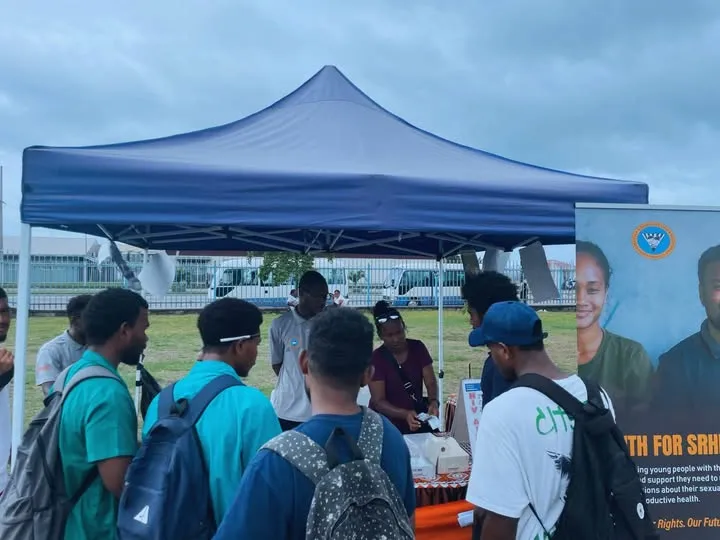
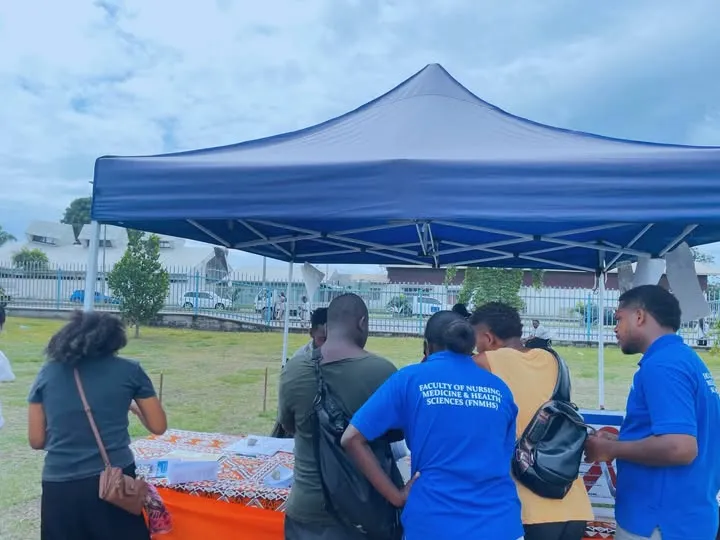
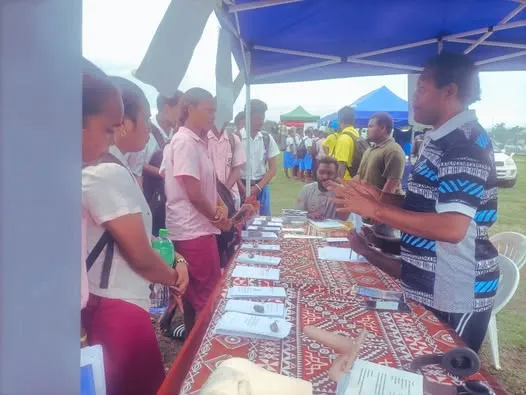
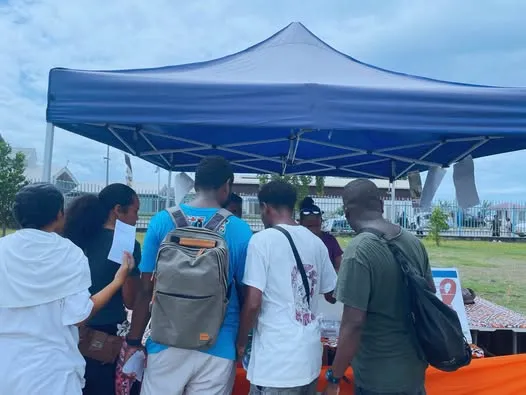
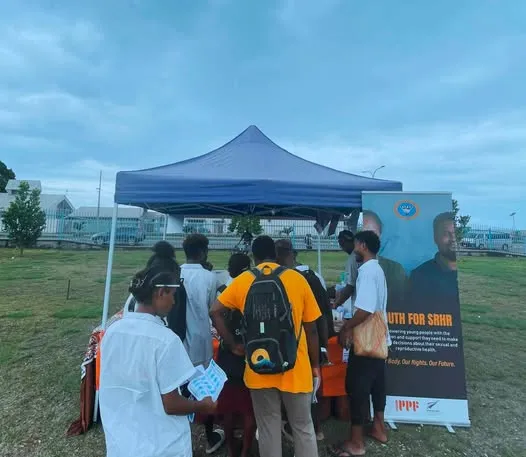
Empowering Young People With SRHR Knowledge: A Future Built on Informed Choices Young people benefit most when information, access, and support come together and that’s exactly what happened when SIPPA joined the SINU Open Day 2026 at Kukum Campus. SIPPA’s presence created a safe, welcoming space where students could engage openly on Sexual and Reproductive Health and Rights (SRHR), ask questions, and connect to essential services that protect their health and strengthen their future. Source: SIPPA
赋权年轻人掌握性与生殖健康知识:基于知情选择构建的未来 当信息、获取和支持相结合时,年轻人受益最大,这正是SIPPA在2026年Kukum校园的SINU开放日上所发生的事情。 SIPPA的参与创造了一个安全、温馨的空间,让学生可以开放地讨论性与生殖健康与权利(SRHR),提出问题,并连接到保护他们健康和增强未来的必要服务。 来源:SIPPA
BY NED GAGAHE Solomon Islands can still eliminate malaria despite the challenges facing the country and the wider Asia-Pacific region, says Asia Pacific Leaders Malaria Alliance (APLMA) Chief Executive Officer Dr Sarthak Das. Dr Das said countries including Sri Lanka, Timor-Leste and Cabo Verde had demonstrated that malaria elimination was achievable, even under difficult circumstances. He made the remarks during the launch of the Solomon Islands National Roadmap for Malaria Elimination 2026–2040 in Honiara on Thursday 20 th August. In photo: Health Permanent Secretary (Acting) Dr. Gregory Jilini, Health Minister, Hon. Morris Toiraena, Prime Minister Mathew Cooper Wale, APLMA, Chief Executive Officer Dr. Sarthak Das and Secretary to Prime Minister – Special Duty Sir Jimmie Rodgers. Photo credit: MHMS. The roadmap sets a national target of eliminating malaria by 2038, with the country aiming for World Health Organisation certification by 2040. Dr Das said Solomon Islands should focus on what was possible rather than being overwhelmed by the challenges facing its health system, remote communities and available resources. “Let’s also remember Sri Lanka eliminated malaria while they were undergoing a civil war. Timor-Leste eliminated malaria recently,” he said. He also pointed to Cabo Verde’s elimination of malaria and Indonesia’s significant progress as further examples of what could be achieved through sustained action. Dr Das said the Asia-Pacific region had experienced a worrying reversal in its malaria fight, with cases increasing from about 2.5 million in 2015 to 4.4 million in 2024. He attributed the increase to several factors, including changing climate conditions and declining health financing. However, he said these challenges should not prevent Solomon Islands from pursuing elimination. Dr Das described the new national roadmap as an important opportunity to translate the country’s ambition into measurable evidence of progress. He particularly highlighted the roadmap’s move to track malaria data by constituency and ward rather than only by health zone. He said this would allow the country to identify areas of high transmission and take more targeted action. Dr Das said successful malaria elimination would ultimately depend on action at the sub-national level. Dr Sarthak Das, CEO of APLMA, expressed his appreciation to the Prime Minister and the Health Minister after receiving the gifts them. “The successful demonstration at the sub-national level is one of the most powerful arguments a country can make to show what’s possible,” he said. He said evidence of progress in individual communities and areas could also inspire further action and investment. The roadmap has introduced several changes aimed at strengthening accountability, including constituency and ward-level surveillance, stronger cross-government planning and resourcing, and improved reporting requirements. Dr Das said APLMA would continue supporting Solomon Islands as it moved from developing the roadmap to implementing it. He said the ultimate goal was to ensure children being born today would grow up without knowing malaria as a disease. “We have the evidence, we have the tools,” Dr Das said. For feedback, contact: nedgagahe@gmail.com Editor: irwin2angiki@gmail.com
作者:内德·加加赫 所罗门群岛尽管面临国家和亚太地区的挑战,仍然可以消灭疟疾,亚太领导人疟疾联盟(APLMA)首席执行官萨尔塔克·达斯(Dr Sarthak Das)表示。 达斯博士指出,包括斯里兰卡、东帝汶和佛得角在内的国家已经证明,即使在困难的情况下,消灭疟疾是可以实现的。 他是在8月20日星期四在霍尼亚拉发布《所罗门群岛2026-2040年国家疟疾消灭路线图》时发表上述言论。 照片中:卫生常务秘书(代理)格雷戈里·吉利尼博士、卫生部长莫里斯·托伊雷纳阁下、总理马修·库珀·韦尔、APLMA首席执行官萨尔塔克·达斯博士及总理特别事务秘书吉米·罗杰斯爵士。照片来源:MHMS。 该路线图设定了到2038年消灭疟疾的国家目标,国家计划在2040年前获得世界卫生组织的认证。 达斯博士表示,所罗门群岛应关注可能实现的目标,而不是被面临的健康系统、偏远社区和可用资源的挑战所压倒。 “我们还要记住,斯里兰卡在内战期间消灭了疟疾。东帝汶最近也消灭了疟疾,”他说。 他还提到了佛得角消灭疟疾和印度尼西亚取得显著进展的例子,作为通过持续行动可以实现的进一步例证。 达斯博士表示,亚太地区在抗击疟疾方面经历了令人担忧的逆转,病例从2015年的约250万增加到2024年的440万。 他将这一增长归因于多个因素,包括气候条件变化和健康融资下降。 然而,他表示,这些挑战不应阻止所罗门群岛追求消灭疟疾的目标。 达斯博士将新的国家路线图描述为将国家雄心转化为可衡量进展的重要机会。 他特别强调,该路线图将通过选区和区划跟踪疟疾数据,而不仅仅是通过健康区。 他说,这将使国家能够识别高传播区域并采取更有针对性的行动。 达斯博士表示,成功消灭疟疾最终将依赖于地方层面的行动。 APLMA首席执行官萨尔塔克·达斯博士在收到总理和卫生部长的礼物后表达了他的感谢。 “地方层面的成功示范是一个国家可以展示可能性的最有力论据之一,”他说。 他表示,个别社区和地区的进展证据也可以激励进一步的行动和投资。 该路线图引入了几项旨在加强问责制的变化,包括选区和区划级别的监测、更强的跨政府规划和资源配置,以及改进的报告要求。 达斯博士表示,APLMA将继续支持所罗门群岛,从制定路线图转向实施。 他说,最终目标是确保今天出生的孩子在成长过程中不会知道疟疾这种疾病。 “我们有证据,我们有工具,”达斯博士说。 如需反馈,请联系:nedgagahe@gmail.com 编辑:irwin2angiki@gmail.com