BY CHARLES STENNETT
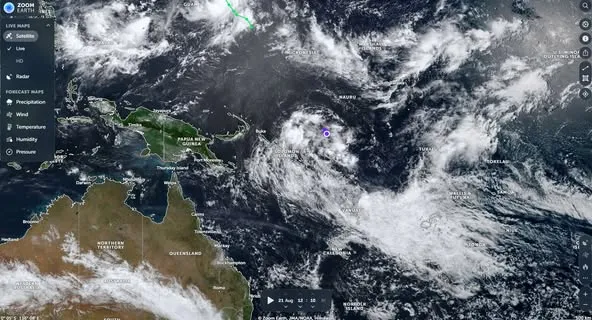
The planned motion of no confidence in the Prime Minister, Mathew Wale, cultural obligations and unfavourable weather conditions had resulted in the deferment of the inquiry into the Citizenship (Amendment) Bill 2026 by the Bills and Legislation Committee, BLC, scheduled to have started Wednesday afternoon, until further notice.
A post on the National Parliament’s Social Media site said the deferral is due to the pending outcome of the Motion of No Confidence currently before Parliament and that the BLC Chairman Jamie Vokia is also currently away attending the burial of his late father and is unable to return to Honiara due to prevailing bad weather and flooding.
It said further notice will be issued once a new date for the inquiry is confirmed.
The Citizenship (Amendment) Bill 2026 seeks to amend the Citizenship Act 2018 by introducing additional grounds on which the Citizenship Commission may revoke the citizenship of a person who acquired Solomon Islands citizenship by application under Part 3 of the Act.
The Bill also seeks to strengthen the protection of the stability, security, public safety, public order and constitutional stability of Solomon Islands by providing for the revocation of citizenship where the Citizenship Commission is satisfied, on reasonable grounds that a person who acquired citizenship by application has engaged in serious conduct prejudicial to Solomon Islands.
The statement said the Bill provides safeguards intended to ensure that any new grounds for revocation are applied prudently and consistently with lawful democratic participation.
The Bill also makes it clear that citizenship must not be revoked merely because a person, lawfully expresses a political opinion, criticises the Government or a Government policy, participates in parliamentary proceedings, participates in a lawful protest, assembly or association; or participates in any other lawful democratic process.
The Committee’s inquiry will form part of Parliament’s consideration of the proposed amendments before the Bill proceeds through the legislative process.
Guadalcanal Provincial Government approves $2.5 million to support flood-affected communities recovering from Cyclone Maila. The Guadalcanal Provincial Government has approved $2.5 million to support communities across Guadalcanal Province that continue to experience the impacts of Tropical Cyclone Maila. Guadalcanal Province Premier Willie Atu told Tavuli News that prolonged bad weather and flooding remain a serious [...]
The post Guadalcanal Provincial Government Approves $2.5M Support for Affected Communities Caused by Flooding and Heavy Rain appeared first on Tavuli News (Solomon Islands) .
By RODRICK DESURI
Auki
Two registered nurses serving at Sinamauri Rural Health Centre (RHC) in West Kwaio, Malaita Province, have applauded UNICEF and the Australian Government, through the Department of Foreign Affairs and Trade (DFAT), for improving facilities at the clinic.
The nurses expressed their appreciation during a short tour of the facility with officials following the handover ceremony yesterday afternoon.
UNICEF supported the successful installation of a solar photovoltaic (PV) system, while the Australian Government supported the construction of a staff house.
The improvements are expected to strengthen primary healthcare services at the rural facility through sustainable and climate-resilient solutions.
One of the nurses, Maxwell Oloisae, said the new facilities would greatly support their work, particularly during night operations and emergencies.
“For sure, it really helps and supports our services. For the past few days that we have had the lights, it has helped us attend to patients and carry out our work smoothly and successfully without hindrance,” he said.
“This is much better than before, when we had to use a torch during the night to check patients and attend to emergency cases,” Oloisae added.
Mercy Suarana, a female nurse responsible for assisting mothers during deliveries, said the solar power had addressed a long-standing challenge faced by the clinic when mothers arrived for delivery at night.
“This is much better than before. We now have lights if a mother goes into labour at night, and we can also preserve medicines that require power because we now have electricity,” she said.
“Even though we still use our old delivery room, essential services are now available and operational. Before, we had to rely on the torch on our mobile phones,” Suarana said.
Meanwhile, Ministry of Health and Medical Services representative and Director of Kilu’ufi Hospital, Dr David Danitofea, urged the community and surrounding communities to take ownership of the improved facilities.
He said the facilities should be properly maintained and protected so they could continue serving the people of Sinamauri and surrounding communities for many years and benefit future generations.
For feedback, contact: rodrickdesuri50@gmail.com
Editor: irwin2angiki@gmail.com
BY IRWIN ANGIKI
Solomon Airlines has announced its plan to cut back in its international network and focus on improving its domestic service.
This involves letting go of one airbus and increasing its Twin Otter fleet over the next one to two years.
SolAir said this is improve the domestic arm and support ‘essential public transport and flight connectivity to key tourism destinations’.
The Airline currently operates with two airbuses for its international service, but after the lease of one expires in May next year, it will run with only one. The domestic service runs on two twin otter planes.
This is part of a ‘Board-resolved decision, as part of a broader re-fleeting strategy’, Solomon Airlines announced in a statement today.
The airline will return the second international aircraft, Airbus A320-200 H4-SIB, to its lessor at the conclusion of the current lease in May 2027, Solomon Airlines said.
“The aircraft will be formally withdrawn from service in February 2027.”
CEO Matthew Findlay said Solomon Airlines is responding to factors which will affect the national carrier for some time.
“The decision to reduce by one international aircraft for now, is a disciplined response to factors which are likely to continue impacting us for some time,” Mr Findlay said.
“Many regional carriers, Solomon Airlines included, are heavily impacted by the ongoing global fuel crisis and resulting heightened fuel costs. We are also seeing the impact of forecast softer Australian and New Zealand market conditions.
“A further factor driving this decision is our assessment confirming that structural repairs are required to this aircraft following recent damage sustained. We are working with our insurers to bring the aircraft back into service for the limited time left with us,” Findlay said.
The removal of Airbus A320-200 H4-SIB from the fleet will see Solomon Airlines operate a smaller international network in the short term. Changes will include reduced frequencies between Vanuatu and Auckland, with Vanuatu to Christchurch services being suspended from November. Honiara to Port Moresby services are suspended with scheduled recommencement mid-December 2026 to support peak demand, SolAir said.
SolAir said all existing bookings will be honoured and the airline will be reaching out to contact affected passengers, to make best possible alternative travel arrangements.
As for the ailing domestic service, apart from the plan to increase the number of Twin Otters, SolAir said it is looking at hastening the return of the Dash-8
Findlay said Solomon Airlines is ‘acutely focussed’ on improving domestic air services across Solomon Islands.
“The airline is seeking to expedite the return of the airline’s 32 seat Dash 8 domestic aircraft, currently offshore for maintenance repairs.
“Meeting the vital domestic transport needs of citizens across Solomon Islands and supporting tourism operators is a fundamental responsibility and we are determined to improve the reliability and resilience of our domestic operation,” he said.
SolAir’s announcement comes amid numerous complaints from public over bad service, many citing continuous rescheduling due to flight unavailability, missed flights due to sudden change in schedule without prior notification or passenger listing affected by previous rescheduling.
Editor: irwin2angiki@gmail.com
BY NED GAGAHE
The Central Bank of Solomon Islands (CBSI) has downgraded its 2026 economic growth forecast from 3.8 percent to 3.0 percent, citing higher fuel costs, Tropical Cyclone Maila and El Niño-related disruptions.
The revised forecast was highlighted in CBSI’s latest monetary policy assessment following its decision to maintain the policy rate at 1.5 percent for the next six months.
Despite the downgrade, CBSI expects the economy to recover in 2027, with growth projected to reach 3.7 percent, supported by mining, infrastructure investment and continued expansion in the services sector.
The Bank said fiscal conditions are expected to become more expansionary during the second half of 2026 following the supplementary budget.
This, it said, could provide additional support to domestic demand and help underpin economic activity.
CBSI also reported that the country’s external position remains strong, with foreign reserves reaching $6.9 billion in June 2026, equivalent to 12.5 months of import cover.
The level of reserves is projected to remain adequate through the end of the year, while monetary conditions remain supportive, with ample liquidity and moderate credit growth.
CBSI Governor Dr Luke Forau said the Bank would continue monitoring developments in the economy, particularly inflation and domestic demand.
“CBSI will continue to monitor macroeconomic developments. If inflation becomes more persistent or begins to broaden into domestic demand, the Bank will reassess its policy stance,” Dr Forau said.
The Bank remains concerned that supply-side inflation pressures could push inflation above the upper bound of its 2–5 percent desired range towards the end of 2026 and into early 2027.
CBSI said it would continue to closely monitor developments and adjust its monetary policy stance when necessary to maintain price and financial stability.
For feedback, contact: nedgagahe@gmail.com
Editor: irwin2angiki@gmail.com
BY NED GAGAHE
The Central Bank of Solomon Islands (CBSI) has maintained its policy rate at 1.5 percent for the next six months, saying current inflationary pressures are being driven mainly by supply-side and external factors rather than excessive domestic demand.
The decision was made by the CBSI Board at its meeting on 28 August 2026.
The Bank said a stable exchange rate and subdued domestic demand are expected to cushion some of the impact of external pressures on domestic prices.
However, CBSI warned that inflation could rise to between 5 and 6 percent by the end of 2026, before moderating to around 4.4 percent from March 2027 as oil price pressures ease.
Headline inflation had already risen to 4.6 percent in June 2026, from just 0.4 percent in December 2025.
CBSI said the increase was driven largely by supply-side factors, with betel nut prices alone contributing 2.5 percentage points, or 54 percent, of headline inflation.
Higher transport and utility prices linked to movements in global oil prices accounted for most of the remaining inflationary pressure.
The Bank said the stability of the exchange rate, together with Government tax exemptions on fuel, had helped mitigate some of the impact of higher global oil prices on domestic inflation.
CBSI said the projected rise in inflation towards the end of the year reflects base effects, higher oil prices and weather-related pressures on domestic food supplies.
Core inflation, meanwhile, is projected to remain below 1 percent, indicating subdued underlying domestic demand.
The Bank warned that the inflation outlook remains subject to considerable uncertainty.
It said a further escalation of the conflict in the Middle East, El Niño-related disruptions to food supplies and the pace of fiscal spending could push inflation above 5 percent in early 2027.
Growth forecast cut
Alongside the inflation outlook, CBSI has also revised down its 2026 economic growth forecast to 3.0 percent, from an initial projection of 3.8 percent at the beginning of the year.
The Bank attributed the downgrade to the impact of higher fuel costs, Tropical Cyclone Maila and El Niño-related disruptions.
Despite the downgrade, CBSI expects economic growth to recover to 3.7 percent in 2027, supported by mining, infrastructure investment and continued expansion in the services sector.
Fiscal conditions are also expected to become more expansionary in the second half of 2026 following the supplementary budget.
CBSI said this could provide additional support to domestic demand.
The country’s external position remains strong, with foreign reserves standing at $6.9 billion in June 2026, equivalent to 12.5 months of import cover.
The level of reserves is projected to remain adequate through the end of the year, while monetary conditions remain supportive, with ample liquidity and moderate credit growth.
CBSI Governor Dr Luke Forau said the Bank would continue monitoring macroeconomic developments and reassess its policy stance if inflationary pressures become more persistent.
“CBSI will continue to monitor macroeconomic developments. If inflation becomes more persistent or begins to broaden into domestic demand, the Bank will reassess its policy stance,” Dr Forau said.
The Bank remains attentive to the risk that supply-side inflation pressures could move above the upper bound of its 2–5 percent desired range towards the end of 2026 and into early 2027.
CBSI said it would continue to monitor developments closely and adjust its monetary policy stance as necessary to maintain price and financial stability.
For feedback, contact: nedgagahe@gmail.com
Editor: irwin2angiki@gmail.com
By DOUGLAS VAHIA
A plane carrying around 130 passengers from Nadi was diverted yesterday to Munda due to bad weather and poor visibility in Honiara.
Solomon Airlines has confirmed that flight IE703 was diverted to Munda after the aircraft was unable to land at the Honiara International Airport due to low visibility caused by weather conditions on Sunday, August 30.
The scheduled Solomon Airlines flight operated by a Skytrans Australia aircraft on the airline’s behalf, saw affected passengers remain overnight in Munda while arrangements were made for their recovery, Solomon Airlines said.
A recovery service for the affected passengers has been scheduled for today, departing Honiara at 2.50pm and arriving in Munda at approximately 3.40pm. The recovery flight will be operated by a Solomon Airlines Airbus A320, subjected to operational and weather conditions.
Additional fuel for the Skytrans aircraft is being transported to Munda to allow it to depart later today and eventually return to Brisbane.
The subsequent IE706 services from Honiara to Brisbane was also cancelled, as the aircraft originally operating IE703 service remain grounded in Munda following the diversion and was unavailable for the scheduled services.
Solomon Airlines said passenger safety remains its highest priority, and the decision to divert IE703 was made with safety of passengers and crew in mind, given the low visibility conditions at Honiara.
BY DOOUGLAS VAHIA
The Biosecurity (SI) Strategy 2026-2036 will undergo its validation workshop next week ahead of the establishment of this important 10-year plan.
The Ministry of Agriculture and Livestock (MAL), in collaboration with Biosecurity Solomon Islands (BSI) and development partners, will hold the opening of the Biosecurity (SI) Strategy 2026 – 2036 Validation Workshop on Monday, August 31, at the Heritage Park.
The workshop will bring together government agencies, development partners, provincial representatives, private sector stakeholders and other key partners, basically to validate the strategic priorities of the Solomon Islands’ national Biosecurity for the next ten years.
Key areas of discussion are mainly the Biosecurity (SI) Strategy 2026 – 2036 Validation and include sustainable financing, strengthening partnerships, a capacitated workforce, public engagement and support, expanded safeguarding coverage, and strengthened risk assessment and risk reduction.
The workshop will also provide an opportunity for partners and stakeholders to discuss investment alignment and strengthen collaboration in protecting Solomon Islands’ agriculture, environment, economy and communities from biosecurity risks.
The workshop is scheduled to begin at 8.30am at Heritage Park.
Opposition leader Sogavare calls on Government to continue supporting Maila-affected communities in Western and Choiseul provinces
BY DOUGLAS VAHIA
Opposition Leader Manasseh Sogavare has called on the GREAT Government to continue supporting communities facing food shortages following Tropical Cyclone Maila.
Mr Sogavare’s call comes amid reports that communities in the Western province are facing serious food security challenges in the aftermath of Cyclone Maila and are pleading for relief supplies.
Government has responded to earlier reports of other communities in the Western province questioning the promised Maila relief supplies, saying that it will take time before relief supplies reached affected communities and called for patience.
Finance Minister Gordon Darcy Lilo in his contribution to the second reading of the 2025 and 2026 supplementary appropriation bills on August 13 in parliament asked Maila-affected communities to be patient. This sentiment was echoed by the National Disaster Council (NDC) and National Disaster Management Office (NDMO) in a press conference on August 19.
Opposition Leader Sogavare however rebuts this saying asking for patience alone does not help the victims of Maila who are calling for help.
“The Government has asked affected communities to be patient. But patience does not put food on the table. Families need clear information, continued assistance and visible progress in their communities,” Sogavare said.
Sogavare in a statement yesterday said news reports from Mondo and Lale communities on Ranongga Island show that some families are still struggling to produce enough food more than four months after the cyclone.
Community leaders have reported that replanted food gardens are not yet producing enough to sustain families.
Continuing bad weather and pest infestations have further hampered recovery, leaving some people dependent on previously distributed rice and wild taro, locally known as kakake.
“These reports are deeply concerning. The communities are working to restore their gardens, but conditions beyond their control are making recovery difficult,” Sogavare said.
“They are not asking for indefinite assistance. They are asking for continued food support until their gardens can once again sustain their families.”
The Government has explained that recovery assistance will take time because funding announced from different sources must go through their respective processes.
Sogavare said affected communities should be kept informed about the recovery process, but calls for patience must also be accompanied by practical assistance for families facing immediate hardship.
“People understand that recovery takes time, but hunger cannot be placed on hold while funding processes are completed.
“Where families are still unable to produce enough food, targeted distributions should continue to help them through this difficult recovery period.”
Sogavare said the significant support announced by the Government and its development partners had understandably raised expectations among affected communities.
“The people of Western and Choiseul provinces have demonstrated tremendous strength and resilience. The Government must stand with them until they can restore their food security and livelihoods,” he said.
Finance minister Lilo in his parliament speech had said $75 million was allocated for the Maila recovery effort.
An estimated $150 million has been raised towards the Maila recovery programme, which includes funds from GREAT government, Solomon Islands’ partners such as Australia, New Zealand, China and UK.
Island Sun earlier this week reported on the dire situation communities of Mondo and Lale in Ranongga island are facing as they wait for government to deliver on the promised relief supplies and recovery programme.
Chief of Mondo community in Ranongga, Silas Reuban told Island Sun most gardens planted after the cyclone have been unable to produce enough food to meet the needs of families.
He said the ongoing bad weather has further contributed to the difficulties faced by communities trying to restore their food gardens.
“Currently, we are surviving on the bags of rice that were distributed after the cyclone. Gardening is quite difficult at the moment due to the ongoing weather and also pest invasion,” Reuban said.
He said people in Mondo are now relying on wild taro, locally known as kakake, to supplement their food supplies.
Reuban said food distributions should continue to support communities and families that are struggling to restore their gardens and achieve food security.
Disaster Chairperson of Lale village, Billy Aqolo shared similar concerns saying some families are still struggling to put enough food on the table.
“We are slowly recovering from the disaster, but we still need food supplies to support our families,” Aqolo said.
For feedback, contact: diivee56@gmail.com
Editor: irwin2angiki@gmail.com
By Eliza Kukutu
For the first time since Cyclone Namu in 1986, the government will be taking a shelter recovery approach as part of its response to the impacts of Tropical Cyclone Maila on affected communities.
This was confirmed by the Chairman of the National Disaster Council (NDC), David Hiriasia, at a recent press conference.
He says the shelter recovery programme will see the construction of more than 1,300 houses for people whose homes were severely destroyed by Tropical Cyclone Maila.
“It will be standard two-bedroom houses. The design for the houses will also cater for expansion, allowing homeowners to extend the houses when they want to.
“We are also exploring options for importing prefab houses. So, we are looking at each house costing about $30,000 to $60,000 per house, meaning the project will cost millions of dollars.”
Hiriasia confirmed that funding for the ambitious plan is included in the recently passed 2025 Supplementary Appropriation Bill 2026, with additional funding to be sought when needed.
Meanwhile, authorities are now working on plans for how the construction will be carried out and are calling on communities to be patient, given the time it will take to implement the shelter recovery plan.
“This is something we’ve never done before, and we really need to plan out everything before implementing it, so it will take time. Data needs to be validated to make sure that houses are given to those who really deserve them.
“So I ask for everyone’s patience as we work towards this.”
The council will discuss and agree on the house designs and bills of quantities before putting the plan before Cabinet for final endorsement.
Hiriasia said this will also give time for the supplementary budget to go through the process of being gazetted so that funds can be made available.
While planning processes are ongoing, the actual construction of the houses is expected to begin next year.
ENDS//
The post Shelter Recovery Approach for TC Maila Response first appeared on Solomon Islands Broadcasting Corporation (SIBC) .
BY JOHN HOUANIHAU
El Niño conditions remain active in Solomon Islands and could trigger severe weather events, including periods of heavy rainfall and drought.
Speaking during a press conference recently, Jonathan Tafiariki said while the continuing rainfall has been a blessing for communities that rely heavily on rainwater, excessive rainfall has negatively affected high-risk communities.
He said the National Emergency Operation Centre (NEOC), under the National Disaster Management Office (NDMO), has already been updated on impacts being experienced by communities, particularly in Guadalcanal and Makira.
“Reports from the western parts of Guadalcanal and parts of Makira indicate that communities experienced continuous rainfall early last month, resulting in flooding in some areas,” he said.
Tafiariki said reports from communities also indicated that food gardens had been affected by the persistent rainfall, with the information already reaching the NDMO.
He said the NDMO is working with the Guadalcanal and Makira provincial authorities to activate existing arrangements to assess and respond to the situation.
Meanwhile, Permanent Secretary of the Ministry of Environment, Climate Change Disaster Management and Meteorology David Hiriasia added that El Niño conditions are historically associated with an increased risk of tropical cyclones.
He said Solomon Islands normally experiences below-average rainfall during El Niño conditions, but the situation changes as the country approaches the cyclone season.
“Usually, we have more tropical cyclones during El Niño years than during La Niña or neutral years,” Hiriasia said.
The duo said communities should remain prepared as the country continues to experience the effects of the current El Niño conditions.
For feedback, contact: jhouanihau24@gmail.com
Editor: irwin2angiki@gmail.com
BY DOUGLAS VAHIA
THE Solomon Islands Meteorological Service (SIMS) has issued Strong Wind Warning Number 165 at 4:00pm today, Wednesday 26th August 2026.
A Strong Wind Warning is currently in effect for the waters of Temotu, Makira, Malaita and Rennell & Bellona provinces.
According SIMS, a trough lies over the Solomon Islands, with a general southeast trade wind flow persisting south of the trough. Southeasterly winds are expected to reach 20 to 25 knots over the affected waters, with seas becoming moderate to rough and moderate southeast swells of between 2.5 and 3.5 metres. Poor visibility is also expected in areas experiencing showers and thunderstorms.
The Met Service is urging people in the affected provinces to take precautionary measures, warning that the strong winds have the potential to impact lives and property.
Sea travellers have been urged to take safety precautions, as the conditions can produce dangerous wave conditions hazardous to small boats. The public has also been asked to share the information with people with disabilities.
SIMS advises that a strong wind warning means winds of 20 to 25 knots, gusting up to 33 knots, are expected to produce hazardous sea conditions for small craft, with boat operators advised to assess the degree of hazard based on their experience and the size and type of their vessel. The Service also noted that wave forecasts represent an average, and individual waves can be up to twice the forecast height.
The next Strong Wind Warning will be issued at 7:00am tomorrow.
For feedback, contact: diivee56@gmail.com
Editor: irwin2angiki@gmail.com
BY JOSES SAREN
Four Seventh-day Adventist churches in Honiara completed a three-day disaster preparedness training at White River SDA Church’s Lamb Shelter Tuesday August 25, strengthening their disaster committees ahead of future emergencies.
Varamata, Forest Valley, White River and Reilonga (Kakabona) SDA churches took part in the training, which ran from Sunday and concluded yesterday, held under the Disaster Ready Church (DRC) Project run by ADRA Solomon Islands, Program Coordinator Denver Newter said.
Newter said more than 14 members from each of the four churches attended, totalling more than 60 participants, including elders, pastors, youth, deacons and the Dorcas women’s group, with an emphasis on gender balance.
The DRC Project is funded by the South Pacific Division, Trans-Pacific Union Mission and Solomon Islands Mission of the Seventh-day Adventist Church, running from November 2025 to November 2026.
According to Newter, the project aims to help churches move from being passive recipients of aid to becoming better prepared to take practical action before, during and after a disaster.
Bruno Taupongi, DRC training facilitator, leads a session on child protection and safeguarding. Photo: Joses Saren
Two of the four churches are also undergoing retrofitting works, including new footpaths and ramps, to improve accessibility for people with disabilities, Newter said.
Emergency Management Coordinator for ADRA Solomon Islands, Raynick Jack, said the training equips church leaders and their existing disaster committees while also preparing the churches themselves as temporary safe spaces for members and surrounding communities during a disaster.
Jack said the initiative comes from the SDA Church’s South Pacific regional office, in response to the increasing frequency and severity of disasters in the region.
He explained that churches, like schools, are often used as evacuation centres because of their presence at the community level, making it important to build the capacity of church leaders and members to respond effectively.
The training sits alongside ADRA’s wider CAN DO network — the Church Agency Network for Disaster Operations — which is funded by the Australian Government through the Australian Humanitarian Partnership, Jack adds.
Jack said CAN DO already supports around 25 disaster committees across Malaita, Central, Guadalcanal and Western provinces, spanning the Catholic, Anglican, United, South Sea Evangelical and Seventh-day Adventist churches.
He recalled that some of those committees in Western Province activated their response plans during a recent cyclone, sheltering people whose homes were destroyed.
The four churches trained this week will bring the total number of committees strengthened under CAN DO to 29, with four more planned for training next month, according to Jack.
Disaster Manager for Honiara City Council, Duran Taupongi, who also sits under the Ministry of Environment, Climate Change, Disaster Management and Meteorology, said the training aligns with the National Disaster Management Office’s national framework.
ADRA’s Raynick Jack (left) looks on as HCC Disaster Manager Duran Taupongi presents a certificate to a participant. Photo: Joses Saren
Duran Taupongi said the NDMO uses Community-Based Disaster Risk Management as its main tool to bring disaster knowledge to communities, churches and schools, working alongside partners such as ADRA.
He said that churches and schools are often the first line of response during a disaster, making it important for them to have clear preparedness, mitigation and response plans in place ahead of time.
Training facilitator Bruno Taupongi, a volunteer who delivered sessions on child protection and safeguarding, says the training focused on preparing churches to respond to disasters, building participants’ understanding of preparedness, and equipping members to act during an emergency.
Bruno Taupongi said psychosocial first aid is also an important part of disaster preparedness, though time constraints limited how much the training could cover.
He said the training reminds churches that faith must be matched with works, encouraging them to prepare physically, through facilities and knowledge, and not rely on spiritual readiness alone.
According to Bruno Taupongi, church members need to be ready to respond immediately after a disaster, before government agencies or other stakeholders are able to reach them.
Each of the four churches sent a committee of about 14 members, including an executive, to the training, and members will now return to their congregations to decide among themselves who takes on the executive roles, Duran Taupongi said.
Participants received certificates at the close of the training yesterday.
He adds that the DRC Project will continue to support the committees once they are finalised.
For feedback, contact: josessaren@gmail.com
Editor: irwin2angiki@gmail.com
Remote communities in Western province call for supplies as bureaucracy continues to slow Maila relief works
BY BEN BILUA
Gizo
COMMUNITIES in remote parts of Ranongga island, Western province are still in need of food supplies as food security challenges continue to worsen following Cyclone Maila.
This follows the reality faced by government in the slow-moving relief work to reach affected communities in the Western and Choiseul provinces due to bureaucratic hurdles.
Chief of Mondo community in Ranongga, Silas Reuban said most gardens planted after the cyclone have been unable to produce enough food to meet the needs of families.
He said the ongoing bad weather has further contributed to the difficulties faced by communities trying to restore their food gardens.
“Currently, we are surviving on the bags of rice that were distributed after the cyclone. Gardening is quite difficult at the moment due to the ongoing weather and also pest invasion,” Reuban said.
He said people in Mondo are now relying on wild taro, locally known as kakake, to supplement their food supplies.
Reuban said food distributions should continue to support communities and families that are struggling to restore their gardens and achieve food security.
Disaster Chairperson of Lale village, Billy Aqolo, shared similar concerns, saying some families are still struggling to put enough food on the table.
“We are slowly recovering from the disaster, but we still need food supplies to support our families,” Aqolo said.
He calls on the Provincial Disaster Committee and the national government to consider continuing food distributions to communities still affected by the disaster.
Meanwhile, Permanent Secretary of the Ministry of Environment, Climate Change, Disaster Management and Meteorology (MECCDM) David Hiriasia last week told a media conference the reality of the snail-paced relief work which is due to bureaucratic hurdles.
Mr Hiriasia voiced that it will take time for relief to reach communities in the two provinces, Western and Choiseul.
He said that while funding had been announced to support recovery, the funds could not be distributed immediately because each funding arrangement had its own processes.
“A lot of funding has been announced, and people always refer to those funds, but they also have their own processes. One of the main funding sources was the supplementary appropriation, which Parliament has already passed,” he said
He said Government will continue with the allocation, but can seek additional funding if the approved amount is insufficient.
“If it is not enough, then we request the Government to support with additional funds,” he said.
Hiriasia said Maila’s severity had triggered disaster financing arrangements and support from development partners, including the World Bank, Asian Development Bank, Australia, New Zealand and other partners.
He said Government is now working through the different processes to ensure assistance reaches affected communities.
“It will take time, and we continue to ask our people in those affected areas to be patient with us and understand that we are prioritising these areas,” he said.
Hiriasia also said Government’s response to Maila was being guided by the national disaster plan, which provides for a whole-of-government approach.
He said the plan was developed following the Gizo earthquake and tsunami and had continued to be refined based on lessons learned from previous disasters.
“The current version, developed in 2018, is reviewed to identify gaps and areas requiring improvement,” he said.
Hiriasia said new government structures, including Constituency Development Committees and Ward Development Committees, will also need to be incorporated into the disaster plan.
“By including these changes, hopefully it will improve response and recovery in the future,” he said.
He acknowledged that recovery from previous disasters had sometimes been delayed because of limited resources, with some disasters not receiving adequate recovery support.
Hiriasia said Government will use lessons learnt to improve its disaster response and recovery approach.
He urges affected communities to remain patient as Government continues to prioritise recovery needs and work through the required processes.
For feedback, contact: maetuana777@gmail.com
Editor: irwin2angiki@gmail.com
MID condemns deliberate damage to newly installed road signs along Henderson-Alligator Road and urges public protection. The Ministry of Infrastructure Development (MID), through the Land and Maritime Connectivity Project (LMCP), has strongly condemned the deliberate damage to newly installed road signs and road furniture along the Henderson to Alligator Road. Two newly installed road signs [...]
The post MID CONDEMNS DAMAGE TO NEWLY INSTALLED ROAD SIGNS appeared first on Tavuli News (Solomon Islands) .
BY DOUGLAS VAHIA
THE Solomon Islands and Australia Community Partnership officially handed over a Streets Solar Lights Project at Matavale Community, next to SIBC Rove in West Honiara Constituency, today, 25th August.
Lord Mayor of the Honiara City Council, Mr. Eddie Siapu, highlighted the impact of the 100 solar-powered street lights installed across West Honiara under the partnership, saying the project has measurably improved safety and mobility for residents after dark, particularly for the elderly, women, girls, children and people with disabilities.
Mr. Siapu also appealed to residents to protect the lights from vandalism and to report any damage, stressing that sustaining the infrastructure is now a shared community responsibility.
Speaking at the handover, Australian High Commissioner, His Excellency Jeff Roach, said the Community Partnerships programme has grown significantly, now funding 342 projects across the Solomon Islands, spanning all 50 constituencies and all 9 provinces.
High Commissioner Roach said the programme continues to receive a growing number of applications, which he described as a strong sign of genuine community engagement. He announced that the next round of Community Partnerships, expected to open around January or February next year, will be the largest round yet, encouraging communities to begin preparing applications for 2027 despite the current round having closed the previous day.
He said the continued growth of the programme reflects strong aspirations and ambitions within communities across the country.
For feedback, contact: diivee56@gmail.com
Editor: irwin2angiki@gmail.com
作者:道格拉斯·瓦希亚
所罗门群岛与澳大利亚社区伙伴关系于今天(8月25日)在西霍尼亚拉选区的马塔瓦莱社区(靠近SIBC Rove)正式交接了一项街道太阳能灯项目。
霍尼亚拉市议会市长埃迪·西亚普(Mr. Eddie Siapu)强调了在该伙伴关系下安装的100盏太阳能路灯对西霍尼亚拉居民的影响,表示该项目显著改善了居民在黑暗中的安全和出行,特别是对老年人、女性、女孩、儿童和残疾人士。
西亚普先生还呼吁居民保护路灯,防止破坏,并报告任何损坏,强调维护基础设施现在是社区共同的责任。
在交接仪式上,澳大利亚高级专员杰夫·罗奇(His Excellency Jeff Roach)表示,社区伙伴关系项目已显著增长,目前在所罗门群岛资助342个项目,覆盖所有50个选区和9个省份。
罗奇高级专员表示,该项目持续收到越来越多的申请,他将其描述为社区真实参与的强烈迹象。他宣布,预计明年1月或2月开放的下一轮社区伙伴关系将是迄今为止规模最大的一轮,鼓励社区开始为2027年准备申请,尽管当前轮的申请已于前一天关闭。
他说,项目的持续增长反映了全国各地社区的强烈愿望和雄心。
如需反馈,请联系:diivee56@gmail.com
编辑:irwin2angiki@gmail.com
Island SunDisasters & Weather灾害与天气·2026-08-25Original ↗原文 ↗
BY BEN BILUA
Gizo
COMMUNITIES in central Ranongga have acknowledged the continued support provided by Plan International before, during and after Cyclone Maila.
Disaster committee member of Keigold, Aldrin Jacob, said Plan International had remained with communities throughout the disaster response and recovery process.
He said the organisation’s approach had touched the lives of families because its support went beyond initial relief assistance.
Soil demonstration at Keigold village: Photo Ben Bilua.
“Here at Keigold we meet with different Non-Government Organizations (NGOs) but the one that returns to us is Plan International. We don’t know where other NGOs go or what they have done with the assessment they carried out in our community.
“I may be biased, but this is the truth. Lots of NGOs came here after the cyclone to do assessments but they never returned,” Jacob said.
He said Plan International had continued to support the community from the initial relief effort through to recovery activities.
Jacob said families had received food supplies, gardening tools, dignity kits, school kits, training and awareness.
Henson hands over a chainsaw and other items to help Keigold community. Photo Ben Bilua.
“This week, we received gardening tools to help us improve food production. Officers from the Agriculture Division in Western Province also taught us how to make backyard gardens. We also received seeds.
“Our children also received school kits, which is a huge relief to us parents,” he said.
Chairperson of Lale community, Billy Aqolo, shared similar sentiments, saying families were now harvesting vegetables following backyard gardening training supported by Plan International.
A mother at Lale working on her vegetable farm. She received gardening tools and seedlings when Plan International visit Lale few weeks ago. Photo Ben Bilua.
“I really appreciate the strategy that Plan International adopted before, during and after Maila. First, they helped us with relief supplies such as food and non-food items, then they followed up with activities that can help affected communities rebuild their lives,” Aqolo said.
He said the organisation later provided gardening tools and seedlings, together with training to help families grow vegetables and other crops.
“Here at Lale, we already harvest vegetables that we planted with the help of Plan International,” he said.
Aqolo said several other organisations had conducted assessments in Lale, but had not returned with programmes that were beneficial and relevant to the community’s recovery.
Agriculture staffs carry out soil demonstration at Mondo. Photo Ben Bilua.
At Mondo village, community leader Silas Reuban said the support had encouraged families to work harder to rebuild their livelihoods following the cyclone.
Reuban said Mondo families had received gardening tools including hoes, knives and files, as well as water bottles – items he described as very beneficial to families.
“I’m excited that my people received this support from Plan International. I’m confident that the gardening tools will help families to go back to their gardens and work.
“For me, these items are more than donations. These are blessings that will help me and my family for years to come,” he said.
Reuban also raised concerns about other organisations that had collected information from the community but had not returned with support.
Agriculture tools and dignity kits ready to be distributed at Keigold. Photo Ben Bilua.
Plan International’s Emergency Response Manager for Cyclone Maila, Henson Makoani, said the organisation had been on the ground since the declaration of the state of emergency, working with people in some of the most isolated communities.
He said Plan International had worked closely with the provincial government, disaster authorities, other stakeholders and community leaders to deliver humanitarian assistance to affected communities.
“With support from the Australian Government through the Humanitarian Partnership and the Asia Pacific Humanitarian Fund, Plan International managed to roll out programmes and activities in the communities,” Makoani said.
He said the organisation’s response focused on five key areas: food and non-food items, water, sanitation and hygiene, child protection, education and livelihoods.
Children of Mondo with their school bags. Photo Ben Bilua.
“To date, we are working with 18 different communities,” Makoani said.
He said there had been significant improvements in community livelihoods, although the needs of affected communities remained urgent.
Makoani said recovery will take time, adding that Plan International was committed to working alongside the national government, provincial government and other stakeholders during the recovery and rehabilitation phase.
A team from Plan International just returned from Ranongga on Monday 24 th August.
For communities in central Ranongga, the continued support has provided more than immediate relief, with gardening tools, seeds, training and education assistance helping families begin rebuilding their lives and livelihoods after Cyclone Maila.
Two elderly women with their dignity kits. Photo Ben Bilua.
For feedback, contact: maetuana777@gmail.com
Editor: irwin2angiki@gmail.com
BY BEN BILUA
Gizo
THE Solomon Islands Red Cross Society has held a lesson learned workshop to review its response to Tropical Cyclone (TC) Maila and strengthen its preparedness for future disasters.
The one-day workshop was held on Monday 24 th August at the Outback Living Conference Room in Gizo, Western Province, bringing together Red Cross volunteers from Munda, Gizo and Honiara, as well as Red Cross staff.
Secretary General of the Solomon Islands Red Cross Society, Sheebah Mirisa, was also present to provide oversight and support during the workshop.
Speaking at the opening, Mirisa said the Solomon Islands Red Cross Society had been actively involved in the TC Maila response since operations began in early April 2026.
She said Red Cross staff and volunteers worked alongside the Western Provincial Government in establishing and supporting the Provincial Emergency Operations Centre (EOC), logistics and warehousing, conducting assessments and distributing non-food items (NFIs) to communities affected by the cyclone.
“We had 70 Red Cross volunteers from Honiara, Munda and Gizo including the Red Cross staff who had worked tirelessly during the TC Maila operations,” Mirisa said.
She said the workshop provided an important opportunity to assess the organisation’s overall operational performance during the TC Maila response, while identifying both successes and shortcomings.
Mirisa said the workshop would also help the organisation identify key priorities for strengthening its disaster preparedness and response capabilities.
“It was important to bring together the full operations team from Honiara to Gizo and officers from the International Federation of the Red Cross Red Crescent (IFRC) Country Cluster Division in Suva and the IFRC Asia-Pacific Regional Office in Malaysia to discuss the operational context of the responses through the eyes of the volunteers and set realistic actionable plans,” she said.
She said the lessons and action plans developed during the workshop would also contribute to the current reform process underway within the Solomon Islands Red Cross Society.
The workshop is expected to help strengthen coordination, improve operational systems and ensure lessons from TC Maila are incorporated into future disaster response planning.
For feedback, contact: maetuana777@gmail.com
Editor: irwin2angiki@gmail.com
BY BEN BILUA
Gizo
COMMUNITIES in remote parts of Ranongga are still in need of food supplies as food security concerns continue to grow following Cyclone Maila.
Chief of Mondo, Silas Reuban, said most gardens planted after the cyclone have been unable to produce enough food to meet the needs of families.
He said the ongoing bad weather has further contributed to the difficulties faced by communities trying to restore their food gardens.
“Currently, we are surviving on the bags of rice that were distributed after the cyclone. Gardening is quite difficult at the moment due to the ongoing weather and also pest invasion,” Reuban said.
He said people in Mondo are now relying on wild taro, locally known as kakake, to supplement their food supplies.
Reuban said food distributions should continue to support communities and families that are struggling to restore their gardens and achieve food security.
Disaster Chairperson of Lale village, Billy Aqolo, shared similar concerns, saying some families are still struggling to put enough food on the table.
“We are slowly recovering from the disaster, but we still need food supplies to support our families,” Aqolo said.
He calls on the Provincial Disaster Committee and the national government to consider continuing food distributions to communities still affected by the disaster.
For feedback, contact: maetuana777@gmail.com
Editor: irwin3angiki@gmail.com
BY JOHN HOUANIHAU
THE recovery process following Tropical Cyclone Maila will take time, David Hiriasia, Permanent Secretary of the Ministry of Environment, Climate Change, Disaster Management and Meteorology (MECCDM), said.
Speaking at a press conference last week to update the media on the Government’s recovery efforts following the cyclone, PS Hiriasia said that while funding had been announced to support recovery, the funds could not be distributed immediately because each funding arrangement had its own processes.
“A lot of funding has been announced, and people always refer to those funds, but they also have their own processes. One of the main funding sources was the supplementary appropriation, which Parliament had already passed,” he said
He said the Government will continue with the allocation, but can seek additional funding if the approved amount is insufficient.
“If it is not enough, then we request the Government to support with additional funds,” he said.
Hiriasia said Maila’s severity had triggered disaster financing arrangements and support from development partners, including the World Bank, Asian Development Bank, Australia, New Zealand, and other partners.
He said the Government is now working through the different processes to ensure assistance reaches affected communities.
“It will take time, and we continue to ask our people in those affected areas to be patient with us and understand that we are prioritising these areas,” he said.
Hiriasia also said the Government’s response to Maila was being guided by the national disaster plan, which provides for a whole-of-government approach.
He said the plan was developed following the Gizo earthquake and tsunami and had continued to be refined based on lessons learned from previous disasters.
“The current version, developed in 2018, is reviewed to identify gaps and areas requiring improvement,” he said.
Hiriasia said new government structures, including Constituency Development Committees and Ward Development Committees, will also need to be incorporated into the disaster plan.
“By including these changes, hopefully it will improve response and recovery in the future,” he said.
He acknowledged that recovery from previous disasters had sometimes been delayed because of limited resources, with some disasters not receiving adequate recovery support.
Mr Hiriasia said the Government will use lessons learned to improve its disaster response and recovery approach.
He urges affected communities to remain patient as the Government continues to prioritise recovery needs and work through the required processes.
For feedback, contact: jhouanihau24@gmail.com
Editor: irwin3angiki@gmail.com
BY BEN BILUA
Gizo
COMMUNITIES in Ranongga are facing a new threat to their food gardens, with a wave of pests damaging vegetables and root crops.
The emerging problem has added to the challenges already faced by communities recovering from the devastation caused by Cyclone Maila.
Silas Reuban, an elder from Mondo Community, said the pests were aggressively feeding on crops, creating another struggle for people trying to restore their food gardens.
He said residents had noticed new pests feeding on vegetables and potato leaves—some of which had not been seen in the area before.
“After the cyclone, we witnessed pests invading our gardens. It’s like we are competing to survive. While we try to plant our gardens, these pests destroy them.
“This is a new thing. We did not see some of the pests feeding on plants before,” Reuban said.
He said people in Mondo Community continued to work hard to recover from the damage caused by Cyclone Maila, but the pest outbreak was making their efforts more difficult.
Similar problems have also been reported in Lale Community, where residents are experiencing pest damage to their food gardens.
The emergence of the pests has raised concerns about food security in the affected communities.
Biosecurity teams are being urged to carry out an immediate investigation to identify the pests, determine the cause of their spread and provide appropriate measures to protect food gardens.
For feedback, contact: maetuana777@gmail.com
Editor: irwin2angiki@gmail.com
It is a house that has suddenly become the centre of a political storm. Since November last year, Solomon Islands...
The post The House at The Centre of a Political Storm appeared first on In-depth Solomons .
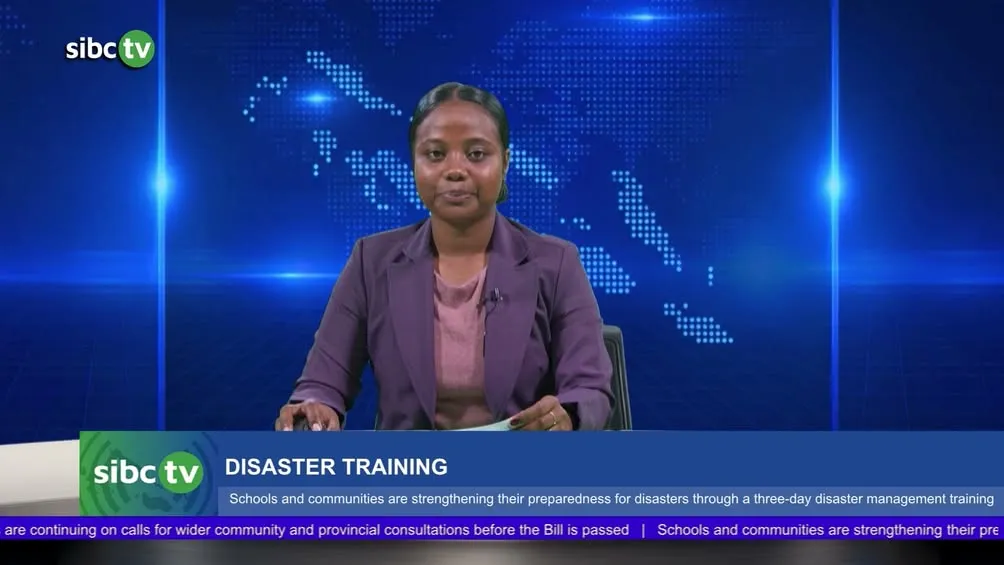
Schools and communities are strengthening their preparedness for disasters through a three-day disaster management training conducted by Live and Learn Solomon Islands.
The training which concluded on Wednesday, involves stream valley community in White River, Mbokona community zone one, Perch school and Mbokona school, focusing on practical ways to prepare for and respond to disasters.
Note: This TV News Package was first aired on 19/08/26.
Follow our Youtube channel for more of our news stories.
https://www.youtube.com/@sibc-TV
学校和社区通过由所罗门群岛生活与学习组织(Live and Learn Solomon Islands)进行的为期三天的灾害管理培训,增强了对灾害的应对能力。
此次培训于周三结束,涉及白河(White River)溪谷社区、姆博科纳(Mbokona)社区一区、佩奇学校(Perch School)和姆博科纳学校,重点关注准备和应对灾害的实用方法。
Note: This TV News Package was first aired on 19/08/26.
Follow our Youtube channel for more of our news stories.
https://www.youtube.com/@sibc-TV
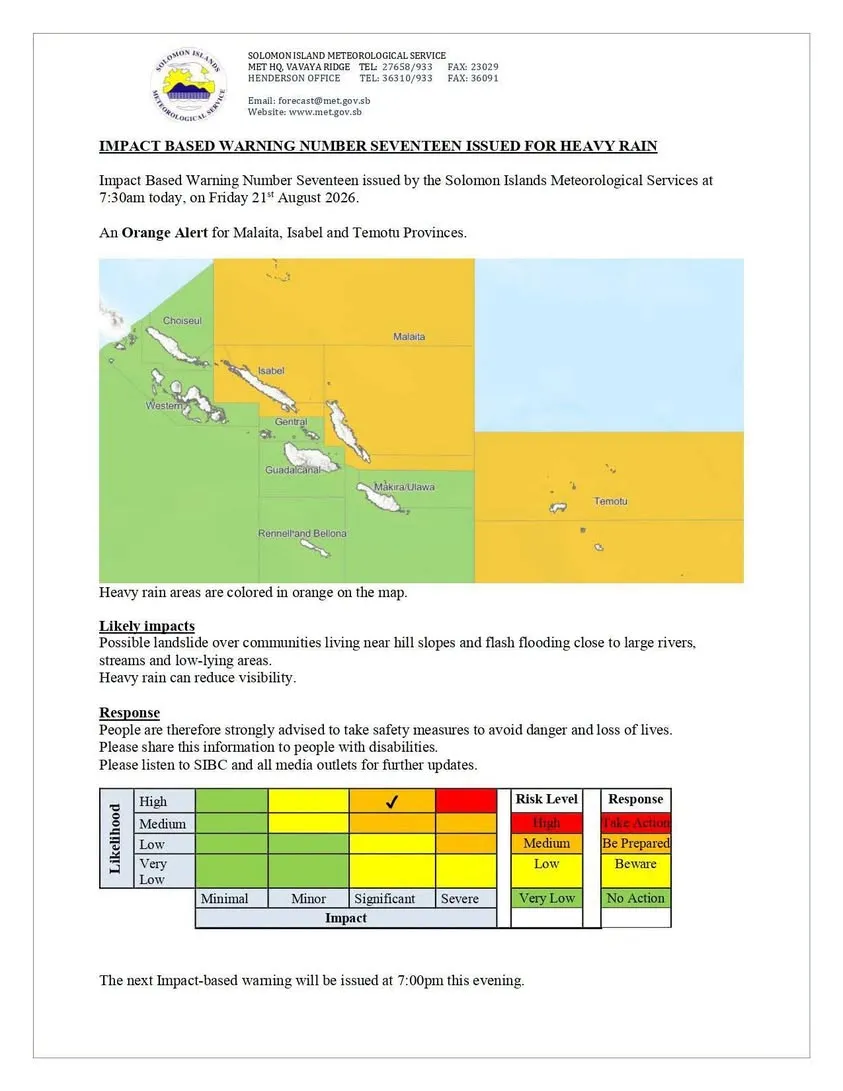
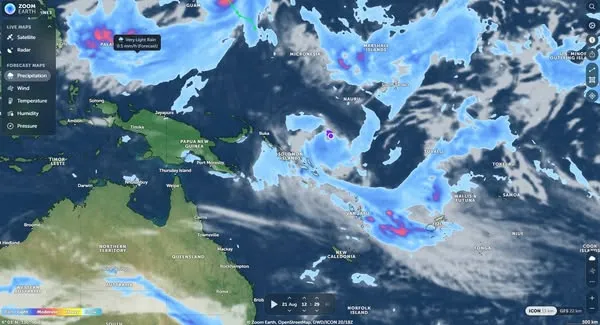
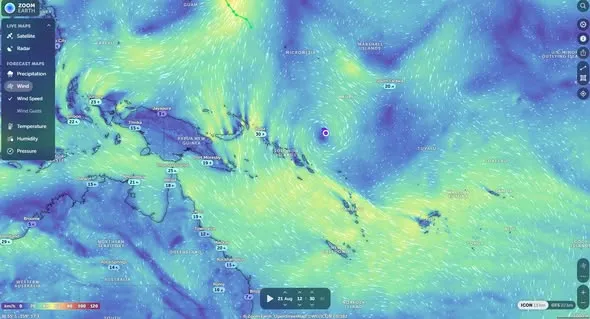
PROVINCIAL COMMUNITIES WARNED OF HEAVY RAIN | The Solomon Islands Meteorological Service (SIM) has issued a heavy rain warning for Malaita, Isabel and Temotu provinces. The warning was issued at 7:30am today, Friday 21 August 2026. Solomon Islands Meteorological Service says a trough is lying north of Solomon Islands, while southeasterly trade winds continue across the country. The weather conditions may bring heavy rain to the affected provinces. People living near hillsides are warned of possible landslides. Flash flooding is also possible near large rivers, streams and low-lying areas. Heavy rain may also reduce visibility, creating dangerous conditions for road users and other travellers. SIMS is advising people to take safety measures to avoid danger and loss of life. Communities are also encouraged to share the warning with people with disabilities so they can take necessary precautions. People are urged to continue listening to the Solomon Islands Broadcasting Corporation (SIBC) and other media outlets for further weather updates.
Source: Solomon Islands Meteorological Service