The Government has clarified that the company haus entry for the Solomon Islands Mineral Holdings Company was the result of an honest administrative mistake.
In a statement today, the Government said the registration process follows the normal procedure used for State-Owned Enterprises (SOEs), including the Solomon Islands Tower Company Limited and other SOEs, where shares are held under ministerial titles rather than in the names of individual office holders.
The statement adds even the Prime Minister should not be included and will be rectified.
However, the Government acknowledged that the company registration should have been carefully completed to avoid confusion and said the errors identified will be corrected.
The Government further clarified that the early registration of the company was undertaken in preparation for proposed amendments to the Mineral Resources Bill.
It said the corporate structure, governance arrangements and other details of the company will be clearly outlined in regulations.
“At the moment, the Register shows that the Company will use model rules. That will be changed to show that the Company will use owned-developed rules,” the statement said.
The Government said the necessary corrections will be made to ensure the company’s registration accurately reflects its intended ownership, governance and corporate structure.
Ends//
– Government Statement
The post GOVERNMENT CLARIFIES MINERAL HOLDINGS COMPANY REGISTRATION first appeared on Solomon Islands Broadcasting Corporation (SIBC) .
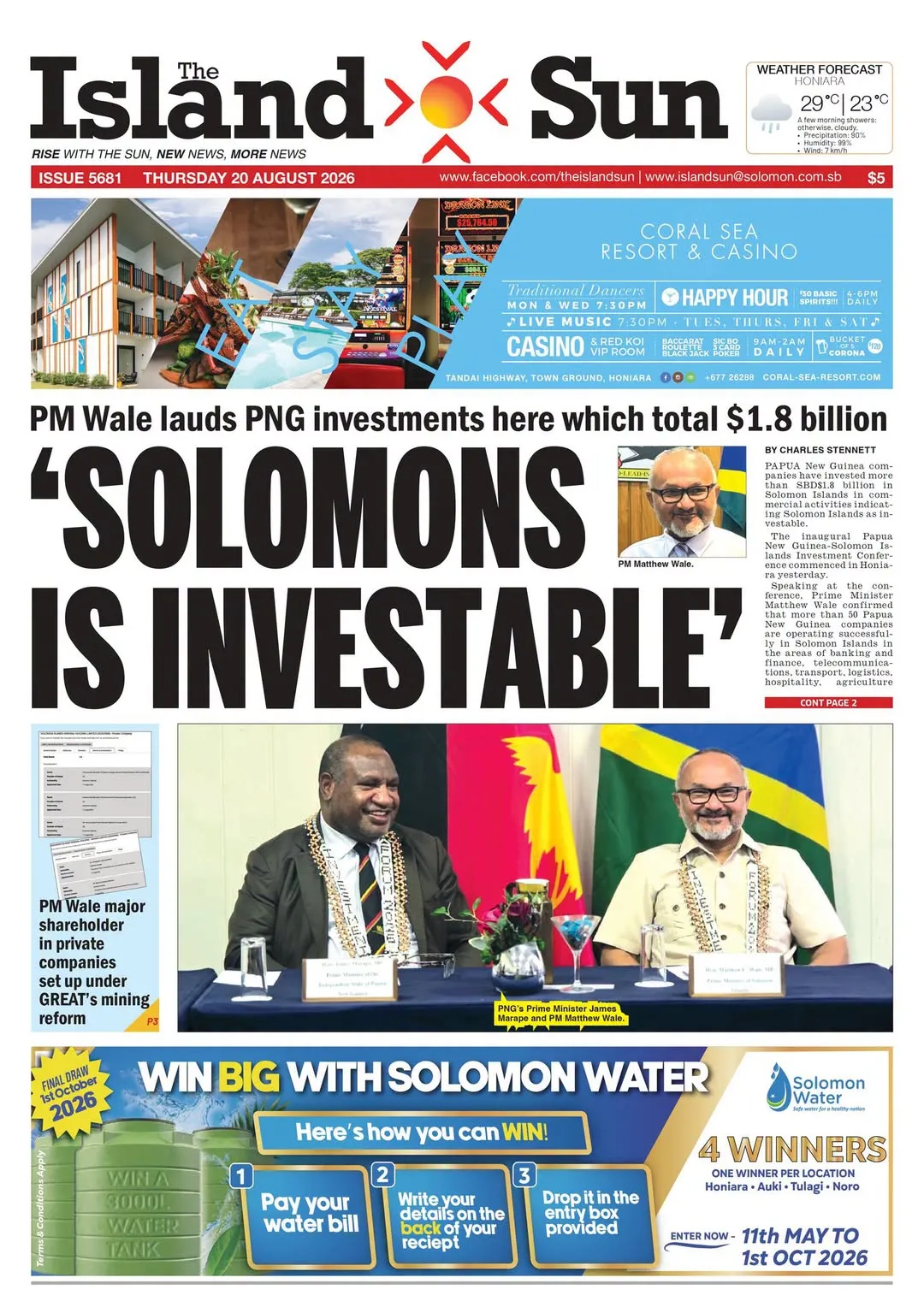
PM Wale lauds PNG investments here which total $1.8 billion
Prime Minister Matthew Wale has welcomed the growing presence of Papua New Guinea businesses in Solomon Islands, saying their investments demonstrate that “Solomons is investable.”
More than 50 Papua New Guinea companies are currently operating successfully in Solomon Islands across sectors including banking and finance, telecommunications, transport, logistics, hospitality and agriculture.
PNG companies have invested more than SBD $1.8 billion in commercial activities in Solomon Islands.
The Prime Minister made the remarks at the inaugural Papua New Guinea–Solomon Islands Investment Conference in Honiara.
Read the full story on Page 2.
Also in today’s edition
PM Wale major shareholder in private companies set up under GREAT’s mining reform — Page 3
Plus more national, political, economic, business, development, provincial, community and sports news inside today’s edition.
Advertisements & Opportunities
Look inside for job vacancies, tenders and procurement notices, government and public notices, business advertisements, products and services.
Get your copy of The Island Sun today and stay informed on the issues and developments shaping Solomon Islands.
Rise with the Sun, New News, More News.
CONTACT US
Newsroom: 26969
Advertising: 28070
Email: islandsun@solomon.com.sb
韦尔总理赞扬巴新在此的投资总额达到18亿澳元
韦尔总理马修·韦尔(Matthew Wale)欢迎巴布亚新几内亚企业在所罗门群岛日益增长的存在,称其投资证明了“所罗门群岛是可投资的”。
目前,超过50家巴新公司在所罗门群岛成功运营,涉及银行与金融、电信、运输、物流、酒店和农业等多个领域。
巴新公司在所罗门群岛的商业活动中投资超过18亿所罗门元。
总理在霍尼亚拉举行的首届巴布亚新几内亚-所罗门群岛投资会议上发表了上述讲话。
请在第2页阅读完整故事。
Also in today’s edition
韦尔总理在GREAT矿业改革下设立的私营公司中是主要股东 — 第3页
此外,今天的版面还有更多国家、政治、经济、商业、发展、省级、社区和体育新闻。
Advertisements & Opportunities
请查看内部的职位空缺、招标和采购通知、政府和公共通知、商业广告、产品和服务。
今天就获取《岛屿太阳》,了解塑造所罗门群岛的议题和发展动态。
与太阳同起,获取新消息,更多新闻。
CONTACT US
新闻热线:26969
广告:28070
邮箱:islandsun@solomon.com.sb
Island SunBusiness & Economy商业经济·2026-08-20Original ↗原文 ↗
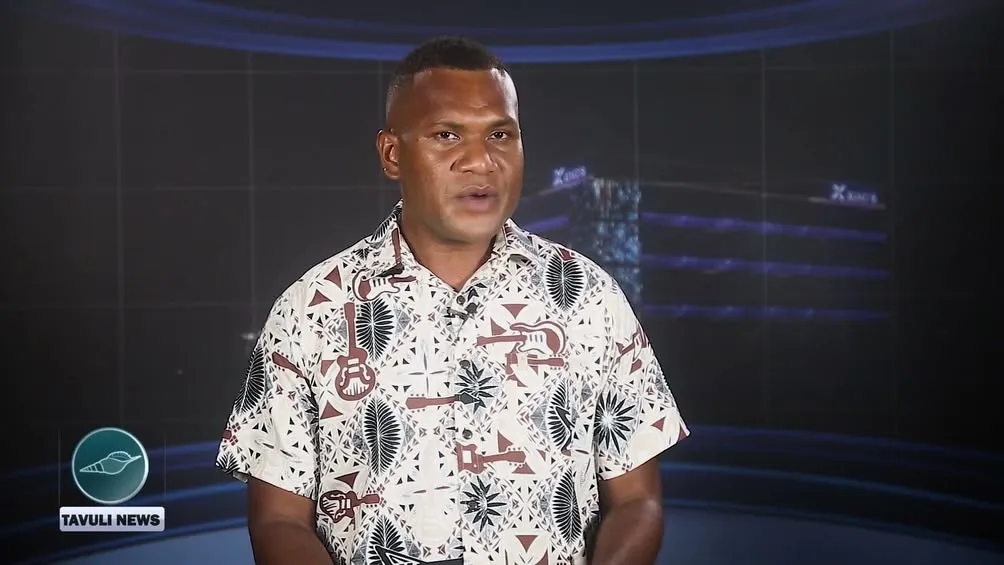
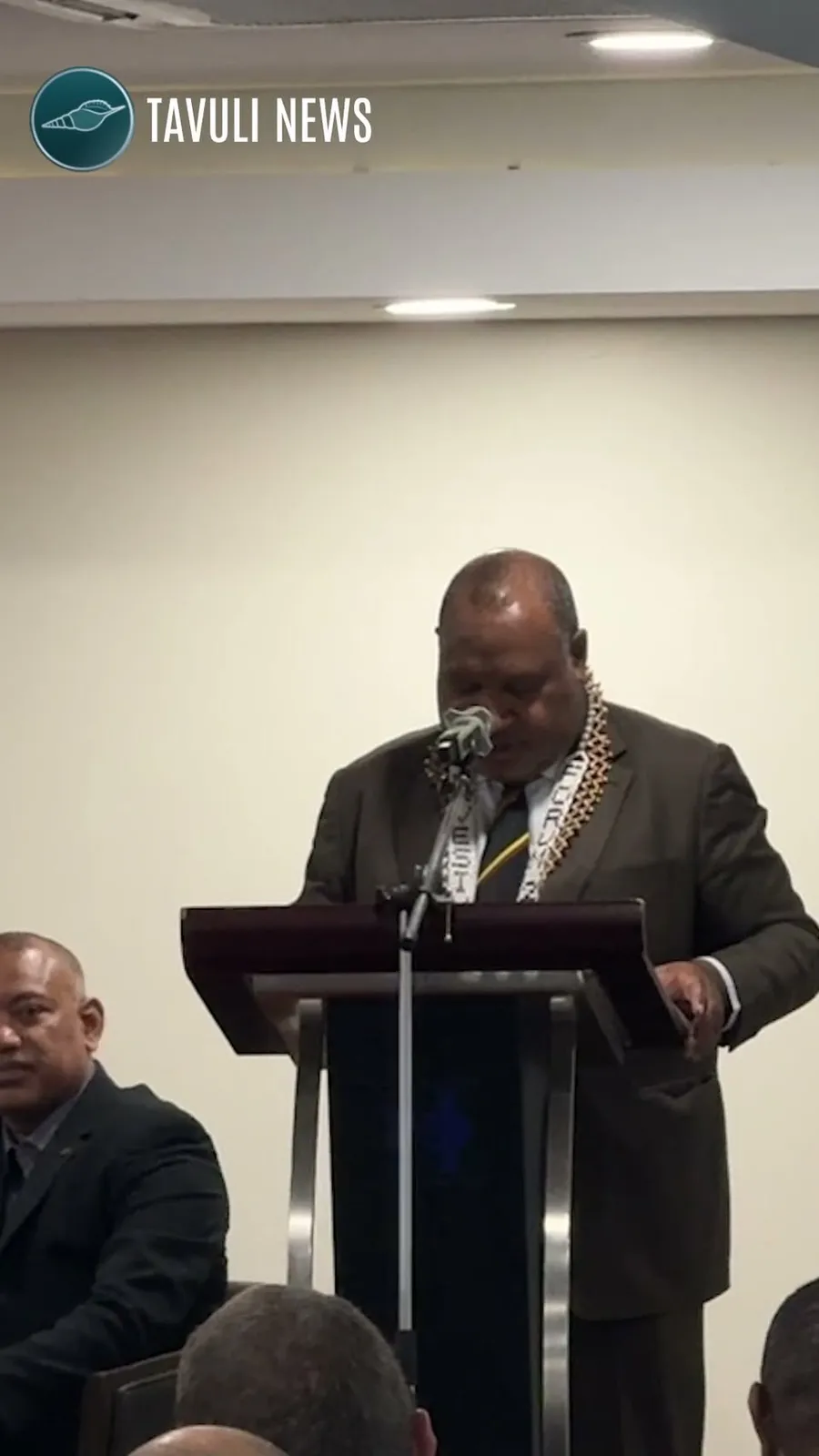
The first-ever PNG–Solomon Islands Investment Forum is underway in Honiara, bringing together investors, businesses, government officials and development partners from both countries. The two-day forum follows a Memorandum of Understanding signed in October 2025 between the Solomon Islands Chamber of Commerce and Industry and the Papua New Guinea–Solomon Islands Business Council. The forum focuses on strengthening bilateral trade, reducing trade barriers and promoting private...-sector growth in key areas including agriculture, tourism and infrastructure. Papua New Guinea Prime Minister James Marape and Solomon Islands Prime Minister Matthew Cooper Wale are attending the forum, with discussions centred on shared opportunities, challenges and ways to strengthen economic cooperation. Speaking at the opening, Prime Minister Wale stressed the importance of practical solutions and creating new opportunities through cooperation between the two Melanesian countries. Watch Tavuli News_Current Affairs Program:https://youtu.be/dv5KitS7z88
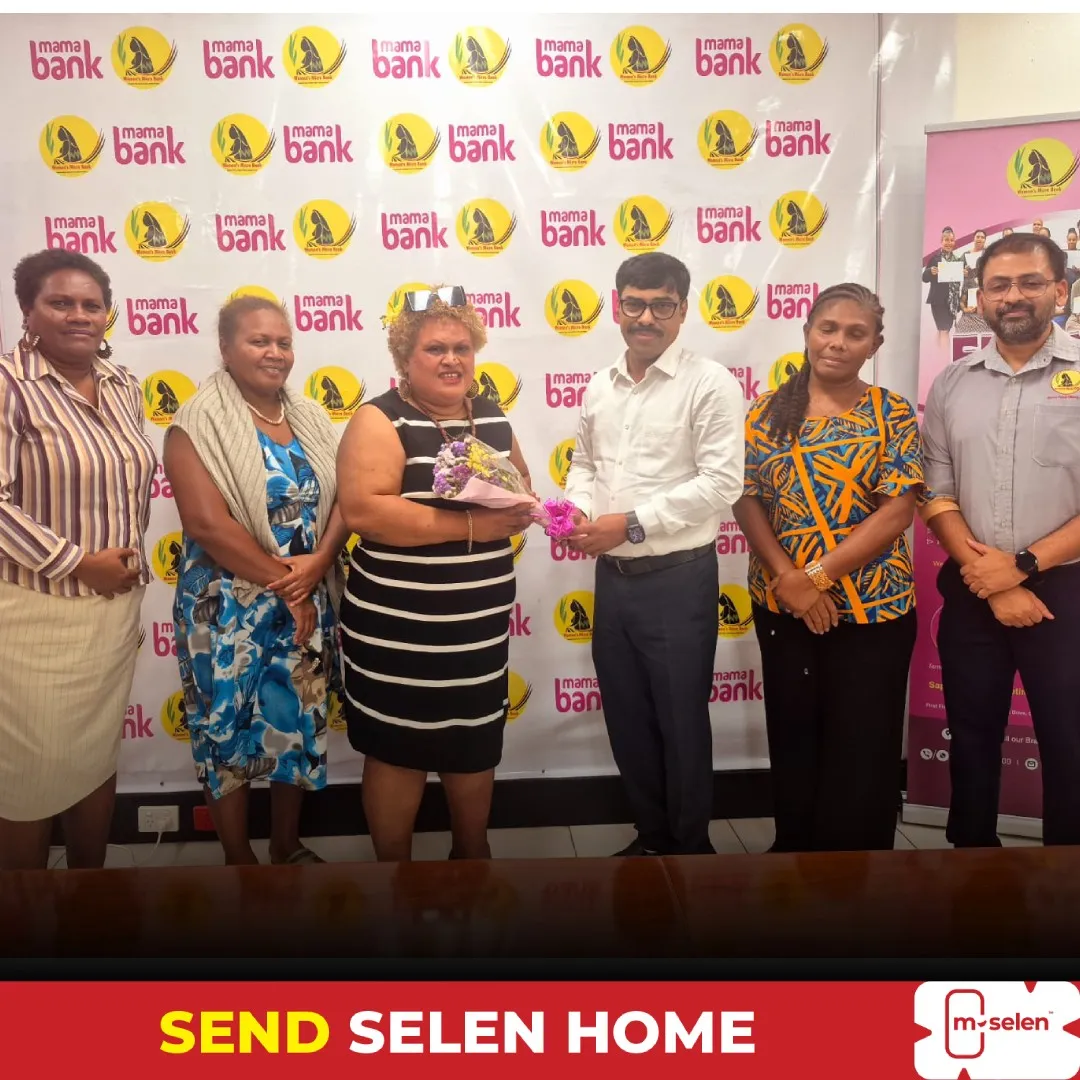
SIWIBA LOOKS TO MAMA BANK MODEL TO BOOST WOMEN’S ACCESS TO FINANCE By ULUTAH GINA Solomon Star, Honolulu, Hawaii... The Solomon Islands Women in Business Association (SIWIBA) is exploring the possibility of adapting lessons from Papua New Guinea’s women-focused banking model to improve access to finance and financial services for women entrepreneurs in Solomon Islands. The move follows a strategic meeting between SIWIBA and the PNG Women’s Micro Bank Limited, popularly known as Mama Bank, in Papua New Guinea, where the two organisations discussed opportunities for collaboration, knowledge exchange and women’s economic empowerment. SIWIBA President Julie Gegeu Haro said the engagement was important as Solomon Islands continues to look for practical ways to help women establish, formalise and grow their businesses. “Access to appropriate financial services and financial education is critical for women entrepreneurs to establish, formalise, grow and sustain their businesses,” Mrs Haro said. The SIWIBA delegation, led by Mrs Haro, Vice President Dr Donna Marie Wate and Acting Chief Executive Officer Jessica Warahiru Rapeiasi, together with Government Officer Melinda Kii, met with the Chief Executive Officer [CEO] of Mama Bank and its Project Manager last week at Port Moresby. The Mama Bank team shared its experience in providing financial services, financial education and business support specifically targeted at women. Established in 2010 as the PNG Women in Business Microfinance Institute Limited, the institution received its banking licence from the Bank of Papua New Guinea in May 2014, becoming the first women-focused licensed microbank in Papua New Guinea and the Pacific region, according to SIWIBA. Mama Bank currently serves more than 95,000 clients and focuses on improving women's access to finance and financial literacy. For SIWIBA, the meeting provided an opportunity to examine how some elements of the Mama Bank model could potentially be relevant to Solomon Islands. Discussions covered women's access to finance, financial literacy, micro-enterprise development, savings and inclusive banking services. Mrs Haro said the purpose was not simply to learn from another financial institution but to identify practical approaches that could strengthen opportunities for Solomon Islands women. “We need to learn from models that are already working in the Pacific and identify what can be adapted to our own context,” she said. She said stronger partnerships between women's business organisations and financial institutions could help address barriers that prevent women from accessing finance and expanding their enterprises. The engagement also explored potential areas for future collaboration between SIWIBA and Mama Bank, including knowledge sharing, capacity building, financial inclusion and enterprise development. Mrs Haro expressed appreciation to Mama Bank for sharing its experience and said SIWIBA remained committed to building strategic partnerships that could create greater economic opportunities for women. “Our commitment is to strengthen opportunities for women entrepreneurs through strategic partnerships, capacity building and greater access to financial services,” she said. SIWIBA said it would continue discussions with Mama Bank and other relevant partners to explore opportunities for regional cooperation and women's economic empowerment. The association said lessons from the PNG experience could contribute to ongoing efforts to strengthen women's participation in the Solomon Islands economy, particularly through improved access to finance, financial knowledge and business support. The meeting forms part of SIWIBA's broader efforts to build regional partnerships and identify practical solutions to help women start, formalise, grow and sustain businesses. Ends///
BY IRWIN ANGIKI
The GREAT government has created three private mineral holding companies as part of its reforms in the mining sector.
Prime Minister Matthew Wale is the major shareholder at 50 percent of the mother company called Solomon Islands Mineral Holding Ltd (SIMHL), with Finance Minister Gordon Darcy Lilo and Mines Minister Derek Manuari at 25 percent each.
The sole director of SIMHL is the Special Secretary to the Prime Minister (SSPM) Celsius Talifilu. SIMHL was incorporated on August 11, 2026, and addressed to the Office of the Prime Minister, Company Haus records show.
Two other companies with similar names are registered with SIMHL as sole shareholder – Solomon Islands Mineral Holding – Exploration Limited (SIMH-EL) and Solomon Islands Mineral Holding – Mining Limited (SIMH-ML).
SIMH-EL was incorporated on August 12, 2026 and addressed to the Ministry of Mines, Energy and Rural Electrification (MMERE).
The director for SIMH-EL is Permanent Secretary of MMERE Dr Chris Vehe.
SIMH-ML was incorporated on August 12, 2026 and shares the same address with SIMH-EL.
The directors of SIMH-ML are MMERE PS Vehe and former permanent secretary of the Ministry of Finance McKinnie Dentana.
Mines Minister Mr Manuari told parliament on August 7 that the GREAT government was embarking on reforms in the mining sector aimed at enhancing benefits for resource owners and government.
“GREAT Coalition Government has further strengthened the proposed Mineral Resources Bill through five strategic policy reforms that fundamentally redefine the manner in which Solomon Islands will govern, develop and benefit from its mineral wealth,” Manuari said.
“These reforms reflect the Government’s commitment to building a modern, transparent and nationally beneficial mining sector that promotes responsible investment while ensuring that the people of Solomon Islands receive a greater and more enduring share of the wealth generated from their natural resources.”
First of these reforms is a state equity participation framework overseeing the establishment of the SIMHL which should allow government statutory back-in rights of up to 25 percent equity in eligible mining projects.
This should enable “the State to benefit not only from royalties and taxation but also from dividends and long-term capital growth arising from successful mining operations”, Manuari told parliament.
The framework is also proposed to establish a mining equity participation fund to manage state equity interests and strengthen participation of customary landowners. It should also establish an independent national mineral assay laboratory for ore verification, mineral valuation, quality assurance and royalty verification services.
Back-in right refers to a statutory or contractual option that allows a party – government, state-owned enterprise, or an original property owner – to reclaim a specific equity ownership stake or working interest in a project after certain conditions, milestones, or cost recoveries are met.
The office of the prime minister and PS Vehe have not responded to questions furnished them earlier today.
Concerns surrounding the creation of private companies include questions of what steps to be taken once either of the shareholders – Wale, Lilo and Manuari – is no longer a member of government, reshuffled to another ministry, or voted out in the coming elections. Similar questions linger for the directors – Talifilu, Vehe, Dentana – if either loses office or fall out from grace of the ruling government.
Furthermore, since the companies are private, concerns say the shareholders and directors stand to enjoy personal benefits from the companies’ revenues – monies that are meant for the government and people.
For feedback, contact: irwin3angiki@gmail.com
Editor: irwin3angiki@gmail.com
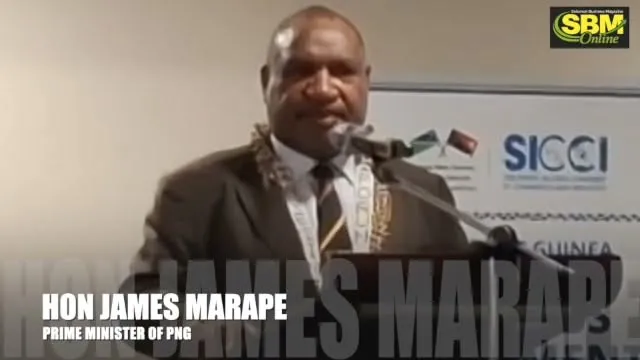
‘SOLOMON TAIYO HAS ALWAYS BEEN PART OF MY KITCHEN’: MARAPE
Papua New Guinea Prime Minister James Marape has revealed his personal love for Solomon Taiyo, drawing a rousing response from the audience at the inaugural Papua New Guinea–Solomon Islands Investment Conference in Honiara.
Speaking at the conference, held under the theme “From Opportunity to Investment: Building the PNG–Solomon Islands Growth Corridor,” Mr Marape spoke warmly about the locally produced canned tuna brand.
The PNG Prime Minister said Solomon Taiyo had been a familiar product in his household and revealed that both he and his wife enjoyed it.
He said Solomon Taiyo had “always been part of my kitchen,” prompting a strong and enthusiastic response from those attending the conference.
Mr Marape used Solomon Taiyo as an example of Solomon Islands’ manufacturing capacity and the products the country can produce for both domestic and regional markets.
He said the brand represented Solomon Islands manufacturing and demonstrated the potential for locally produced goods to become part of the wider Pacific market.
Solomon Taiyo is currently produced by Solomon Islands-based SoloTuna Limited at its tuna processing facility in Noro, Western Province.
Mr Marape’s remarks came as leaders from Papua New Guinea and Solomon Islands called for stronger investment and business links between the two neighbouring Melanesian countries.
The inaugural investment conference is focused on identifying opportunities for increased trade, investment and private-sector partnerships as both countries seek to build stronger economic ties.
End///...
‘SOLOMON TAIYO HAS ALWAYS BEEN PART OF MY KITCHEN’: MARAPE
巴布亚新几内亚总理詹姆斯·马拉佩在霍尼亚拉举行的首届巴布亚新几内亚-所罗门群岛投资会议上透露了他对所罗门泰优的个人喜爱,赢得了与会观众的热烈反响。
在以“从机遇到投资:建设巴新-所罗门群岛增长走廊”为主题的会议上,马拉佩先生热情地谈到了这一本地生产的罐装金枪鱼品牌。
巴新总理表示,所罗门泰优在他的家庭中是一个熟悉的产品,并透露他和妻子都很喜欢它。
他说,所罗门泰优“一直是我厨房的一部分”,引发了与会者的强烈和热情的反应。
马拉佩先生以所罗门泰优作为所罗门群岛制造能力的例子,展示了该国可以为国内和区域市场生产的产品。
他说,该品牌代表了所罗门群岛的制造业,并展示了本地生产的商品有潜力成为更广泛太平洋市场的一部分。
所罗门泰优目前由位于所罗门群岛的SoloTuna有限公司在西部省诺罗的金枪鱼加工厂生产。
马拉佩的发言正值巴布亚新几内亚和所罗门群岛的领导人呼吁加强两国之间的投资和商业联系。
首届投资会议的重点是识别增加贸易、投资和私营部门合作的机会,双方都希望建立更强的经济联系。
结束///...
Prime Minister Hon. Matthew Wale says indigenous businesses, women-led enterprises and young entrepreneurs must be at the heart of the growing economic partnership between Solomon Islands and Papua New Guinea.
Addressing the inaugural PNG–Solomon Islands Investment Conference at the Heritage Park Hotel today, Prime Minister Wale said the benefits of investment must not be confined to urban centres or large corporations.
“Indigenous entrepreneurship is not a footnote to this conference, it is the point of it,” he said.
The Prime Minister said PNG companies should build partnerships with Solomon Islands businesses rather than simply operate alongside them.
He identified joint ventures, local supply contracts, technical training and pathways to local ownership as important features that should become normal parts of major investments.
Prime Minister Wale said indigenous Micro, Small and Medium Enterprises (MSMEs), women-led enterprises and young entrepreneurs are the backbone of both economies because they create jobs, support families and keep wealth circulating within communities.
“Inclusive growth is not only socially responsible; it is smart economics,” he said.
The Prime Minister said economies where more people participate are stronger, more resilient and more sustainable.
He also linked inclusive economic growth to stability, saying every young person employed, indigenous business capitalised and community with a stake in growth contributes to a stronger foundation for peace and prosperity.
[end]
OPMC statement
The post PM Wale: Indigenous business must be at the heart of investment first appeared on Solomon Islands Broadcasting Corporation (SIBC) .
HONIARA, 18 August 2026 – Prime Minister Hon. Mathew Cooper Wale today urged Papua New Guinea and the Solomon Islands to turn their long-standing Melanesian relationship into a “structured, bankable economic partnership” as he officially opened the inaugural PNG – Solomon Islands Investment Conference in Honiara.
Speaking under the theme “From Opportunity to Investment: Building the PNG–Solomon Islands Growth Corridor”, the Prime Minister said the two countries must move beyond goodwill to deliver measurable economic outcomes for their combined population of over 11 million people.
Prime Minister Wale said PNG and Solomon Islands share more than a border.
“Trade across our islands was never a mere transaction. It was reciprocity. It was obligation honoured over generations. It was trust, banked and repaid,” he said.
“The wantok system that binds us is, in economic terms, social capital of extraordinary depth — networks of trust that lower the cost of doing business before a single contract is signed.”
The Prime Minister highlighted that more than 50 Papua New Guinea companies already operate in the Solomon Islands across banking, telecommunications, transport, agriculture and hospitality, with an estimated value of PGK 1 billion / SBD 1.8 billion.
“Capital goes where it expects returns. That figure tells the world that the Solomon Islands is investable,” he said.
He noted that new direct air connectivity, with the weekly Solomon Airlines service between Honiara and Port Moresby launched in July 2026, will further reduce the cost of moving people, ideas and capital. “Connectivity drives commerce,” Prime Minister Wale said.
Prime Minister Wale framed the partnership around three dimensions, including;
• Partnership for Growth: Diversifying beyond raw exports into agriculture, fisheries processing, tourism, renewable energy and digital services. “We seek private participation in commercial farming, agro-processing and export development,” he said.
• Partnership for Solidarity: Ensuring benefits reach indigenous MSMEs, women and youth. “Joint ventures, local supply contracts, technical training and pathways to local ownership should become normal features of major investments,” the PM stated.
• Partnership for Stability: “Stability is not imposed from outside; it is built from within, job by job, enterprise by enterprise. Let us redraw that map: from an arc of instability to an arc of stability and prosperity.”
The Prime Minister called for an end to extractive business models.
“It is time to look at new business models — models that process here, employ here, train here, and share ownership here. Models that respect our laws, our landowners and our custom, and treat tribal land not as an obstacle but as equity,” he said.
Prime Minister Wale said the groundwork is set with the MOU between PNGSIBC and SICCI signed in October 2025 and the Framework Agreement on Development and Economic Cooperation 2026-2030 signed with PM James Marape in Port Moresby in June 2026.
He urged conference participants to “move beyond discussion to implementation” and to create investments that lead to jobs and improve livelihoods.
“To PNG investors, my message is direct. Solomon Islands welcomes your capital, knowledge and experience. Come prepared to build long-term partnerships. Work with our businesses. Train our people. Respect our laws and landowners,” PM Wale said.
The Prime Minister concluded that the success of the conference will be measured not by speeches, but by “the investments that follow, the joint ventures established, the indigenous businesses that scale up, the jobs created, and the prosperity generated.”
The two-day conference is hosted by the Papua New Guinea Solomon Islands Business Council and the Solomon Islands Chamber of Commerce and Industry.
PM Wale Calls for “Melanesian Growth Corriddor” at Inaugural PNG-SI Investment Conference
HONIARA, 18 August 2026 – Prime Minister Hon. Mathew Cooper Wale today urged Papua New Guinea and the Solomon Islands to turn their long-standing Melanesian relationship into a “structured, bankable economic partnership” as he officially opened the inaugural PNG – Solomon Islands Investment Conference in Honiara.
Speaking under the theme “From Opportunity to Investment: Building the PNG–Solomon Islands Growth Corridor”, the Prime Minister said the two countries must move beyond goodwill to deliver measurable economic outcomes for their combined population of over 11 million people.
Prime Minister Wale said PNG and Solomon Islands share more than a border.
“Trade across our islands was never a mere transaction. It was reciprocity. It was obligation honoured over generations. It was trust, banked and repaid,” he said.
“The wantok system that binds us is, in economic terms, social capital of extraordinary depth — networks of trust that lower the cost of doing business before a single contract is signed.”
The Prime Minister highlighted that more than 50 Papua New Guinea companies already operate in the Solomon Islands across banking, telecommunications, transport, agriculture and hospitality, with an estimated value of PGK 1 billion / SBD 1.8 billion.
“Capital goes where it expects returns. That figure tells the world that the Solomon Islands is investable,” he said.
He noted that new direct air connectivity, with the weekly Solomon Airlines service between Honiara and Port Moresby launched in July 2026, will further reduce the cost of moving people, ideas and capital. “Connectivity drives commerce,” Prime Minister Wale said.
Prime Minister Wale framed the partnership around three dimensions, including;
• Partnership for Growth: Diversifying beyond raw exports into agriculture, fisheries processing, tourism, renewable energy and digital services. “We seek private participation in commercial farming, agro-processing and export development,” he said.
• Partnership for Solidarity: Ensuring benefits reach indigenous MSMEs, women and youth. “Joint ventures, local supply contracts, technical training and pathways to local ownership should become normal features of major investments,” the PM stated.
• Partnership for Stability: “Stability is not imposed from outside; it is built from within, job by job, enterprise by enterprise. Let us redraw that map: from an arc of instability to an arc of stability and prosperity.”
The Prime Minister called for an end to extractive business models.
“It is time to look at new business models — models that process here, employ here, train here, and share ownership here. Models that respect our laws, our landowners and our custom, and treat tribal land not as an obstacle but as equity,” he said.
Prime Minister Wale said the groundwork is set with the MOU between PNGSIBC and SICCI signed in October 2025 and the Framework Agreement on Development and Economic Cooperation 2026-2030 signed with PM James Marape in Port Moresby in June 2026.
He urged conference participants to “move beyond discussion to implementation” and to create investments that lead to jobs and improve livelihoods.
“To PNG investors, my message is direct. Solomon Islands welcomes your capital, knowledge and experience. Come prepared to build long-term partnerships. Work with our businesses. Train our people. Respect our laws and landowners,” PM Wale said.
The Prime Minister concluded that the success of the conference will be measured not by speeches, but by “the investments that follow, the joint ventures established, the indigenous businesses that scale up, the jobs created, and the prosperity generated.”
The two-day conference is hosted by the Papua New Guinea Solomon Islands Business Council and the Solomon Islands Chamber of Commerce and Industry.
HONIARA, 18 August 2026 – Prime Minister Hon. Mathew Cooper Wale today urged Papua New Guinea and the Solomon Islands to turn their long-standing Melanesian relationship into a “structured, bankable economic partnership” as he officially opened the inaugural PNG – Solomon Islands Investment Conference in Honiara.
Speaking under the theme “From Opportunity to Investment: Building the PNG–Solomon Islands Growth Corridor”, the Prime Minister said the two countries must move beyond goodwill to deliver measurable economic outcomes for their combined population of over 11 million people.
Prime Minister Wale said PNG and Solomon Islands share more than a border.
“Trade across our islands was never a mere transaction. It was reciprocity. It was obligation honoured over generations. It was trust, banked and repaid,” he said.
“The wantok system that binds us is, in economic terms, social capital of extraordinary depth — networks of trust that lower the cost of doing business before a single contract is signed.”
The Prime Minister highlighted that more than 50 Papua New Guinea companies already operate in the Solomon Islands across banking, telecommunications, transport, agriculture and hospitality, with an estimated value of PGK 1 billion / SBD 1.8 billion.
“Capital goes where it expects returns. That figure tells the world that the Solomon Islands is investable,” he said.
He noted that new direct air connectivity, with the weekly Solomon Airlines service between Honiara and Port Moresby launched in July 2026, will further reduce the cost of moving people, ideas and capital. “Connectivity drives commerce,” Prime Minister Wale said.
Prime Minister Wale framed the partnership around three dimensions, including;
• Partnership for Growth: Diversifying beyond raw exports into agriculture, fisheries processing, tourism, renewable energy and digital services. “We seek private participation in commercial farming, agro-processing and export development,” he said.
• Partnership for Solidarity: Ensuring benefits reach indigenous MSMEs, women and youth. “Joint ventures, local supply contracts, technical training and pathways to local ownership should become normal features of major investments,” the PM stated.
• Partnership for Stability: “Stability is not imposed from outside; it is built from within, job by job, enterprise by enterprise. Let us redraw that map: from an arc of instability to an arc of stability and prosperity.”
The Prime Minister called for an end to extractive business models.
“It is time to look at new business models — models that process here, employ here, train here, and share ownership here. Models that respect our laws, our landowners and our custom, and treat tribal land not as an obstacle but as equity,” he said.
Prime Minister Wale said the groundwork is set with the MOU between PNGSIBC and SICCI signed in October 2025 and the Framework Agreement on Development and Economic Cooperation 2026-2030 signed with PM James Marape in Port Moresby in June 2026.
He urged conference participants to “move beyond discussion to implementation” and to create investments that lead to jobs and improve livelihoods.
“To PNG investors, my message is direct. Solomon Islands welcomes your capital, knowledge and experience. Come prepared to build long-term partnerships. Work with our businesses. Train our people. Respect our laws and landowners,” PM Wale said.
The Prime Minister concluded that the success of the conference will be measured not by speeches, but by “the investments that follow, the joint ventures established, the indigenous businesses that scale up, the jobs created, and the prosperity generated.”
The two-day conference is hosted by the Papua New Guinea Solomon Islands Business Council and the Solomon Islands Chamber of Commerce and Industry.
The first-ever PNG–Solomon Islands Investment Forum is underway in Honiara.
The two-day forum brings together the two Melanesian countries to explore investment opportunities and strengthen economic ties through private-sector development. Jeremy Gwao reports
Tavuli News - Solomon Islands
By John Chrisma
Solomon Star, Honiara
The inaugural Papua New Guinea–Solomon Islands Business Investment Forum has opened and is now underway in Honiara.
The historic event brought together government leaders, business representatives and investors from both countries to strengthen economic cooperation and identify new investment opportunities 19 August 2026.
Held at the Heritage Park Hotel under the theme “From Opportunity to Investment: Building the PNG–Solomon Islands Growth Corridor,” the two-day forum aims to move discussions on bilateral trade and investment towards practical business partnerships.
The forum is jointly hosted by the Solomon Islands Chamber of Commerce and Industry (SICCI) and the Papua New Guinea–Solomon Islands Business Council (PNGSIBC).
SICCI Chairlady Namoi Kaluae and PNGSIBC President Ernie Gangloff welcomed delegates, describing the gathering as a historic opportunity for the two Melanesian countries to strengthen their economic relationship.
The opening programme features keynote addresses from Solomon Islands Prime Minister Matthew Wale and Papua New Guinea Prime Minister James Marape, highlighting the commitment of both governments to expanding bilateral economic cooperation.
The forum is focusing on trade, investment, infrastructure, business and labour mobility, and the role of micro, small and medium enterprises in driving economic growth.
A key session on “Why Invest in Solomon Islands” includes presentations from Minister for Commerce, Industry, Labour and Immigration Harry Kuma, Pacific Economist at ANZ Banking Group Dr Kishti Sen, and Central Bank of Solomon Islands Governor Dr Luke Forau.
Other government ministers are also presenting investment opportunities in priority sectors, including mining and energy, infrastructure, agriculture and livestock.
Minister for Mines, Energy and Rural Electrification Derrick Manuari, Minister for Infrastructure Development Ricky Fuo’o, and Minister for Agriculture and Livestock Franklyn Derek Wasi are expected to outline opportunities and ongoing reforms in their respective sectors.
The programme also includes business-to-business meetings, a trade fair, networking sessions and the Prime Ministers’ Wansol Wara Charity Golf event.
On the second day, discussions will turn to financing investment opportunities, converting opportunities into projects, Papua New Guinea’s private-sector experience, and the experiences of PNG companies operating in Solomon Islands.
The forum will also examine the role of women and youth in business, with representatives from both countries participating in discussions on entrepreneurship and private-sector development.
Organisers say the forum is intended to create a stronger platform for businesses from PNG and Solomon Islands to connect, form partnerships and explore investment opportunities.
The initiative comes as both countries seek to deepen economic ties and build a regional growth corridor that can create greater opportunities for businesses, investors and communities in the two Melanesian nations.
The forum concludes on Thursday, 20 August, with a closing cocktail and networking event hosted by Solomon Islands Ports Authority.
//end//
BY DOUGLAS VAHIA
A COPRA farmer from West Kwara’ae, Ward 4, Malaita Province, says income from coconut farming has allowed him to build houses and become his own boss, after leaving carpentry work to take up copra production.
Colin Kakama attributes much of his newfound success to the Farmers First initiative of Commodities Export Marketing Authority (CEMA) which has allowed him space to support and grow his business further.
Mr Kakama, a carpenter by trade who previously worked for other contractors, said he began working on his coconut plantation in 2017.
Kakama said proceeds from copra sales funded the construction of six houses, which are currently rented out to the local community school. He said the shift to copra farming allowed him to become his own boss, earn a steady income, and spend more time with his family compared to working for others.
He compared his earnings from copra to those of seasonal workers under the Australia and New Zealand seasonal workers schemes, saying copra farming offers a comparable income while allowing him to remain at home with his family.
Kakama raised concerns over dishonest pricing practices by some buyers, saying farmers are sometimes enticed with promises of high prices over the phone, only for buyers to alter the price upon arrival at the wharf, citing sudden changes in overseas prices as an excuse.
He said his children are involved in work at the coconut plantation and have become proficient in the work.
Since February this year, Kakama has been selling his copra to the Commodities Export Marketing Authority (CEMA) in Auki, having completed three shipments so far.
He said CEMA Auki offers farmers financial advance when needed and supplies bags free of charge, adding that CEMA needs to remain competitive with other buyers operating in the area.
Kakama urges fellow farmers to focus on producing quality copra to meet buyer requirements, noting that buyers themselves are obligated under contracts with overseas buyers to supply high-quality copra.
He also encourages farmers to keep their plantations free of invasive beetles, and to view coconut farming as a duty passed down from their forefathers and one to be maintained for future generations.
On government support, Kakama calls for a dedicated budget to assist farmers in rehabilitating ageing coconut plantations, saying government could gain significant tax revenue from copra if greater attention is paid to plantation rehabilitation.
He also calls on the Ministry of Agriculture to assess active and serious copra farmers and assist them with strategies to control beetle infestations.
Kakama also appeals to national parliamentarians to work with landowners to open up idle land across the provinces for coconut planting, saying the country has significant unused land that could support development without relying on donor assistance.
Photo: Supplied
For feedback, contact: diivee56@gmail.com
Editor: irwin3angiki@gmail.com
BY JOSES SAREN
Solomon Islands’ economic growth is projected to slow to 2.8 percent in 2026, down from 3.6 percent last year, the World Bank says.
The slowdown reflects Cyclone Maila, the global fuel price shock from the conflict in the Middle East, weak private investment, and a continued decline in logging, according to the World Bank’s first Solomon Islands Economic Update, launched yesterday.
The report, titled “Harnessing the New Roots of Growth,” says the economy remains below its long-run potential despite the 2025 rebound.
Growth is expected to recover to about 3.1 percent in 2027 and 2028, the World Bank states.
That figure is still 1.6 percentage points below the pre-pandemic decade average, it adds.
The World Bank attributes the near-term outlook to two main drivers.
These are increasing mining activity at Gold Ridge and a substantial infrastructure pipeline, including the Tina River Hydropower Project and road construction, the report explains.
Remittances, now equivalent to about 5 percent of GDP, will continue to support household consumption, it notes.
However, the bank warns that growth remains concentrated in capital-intensive mining and donor-financed infrastructure rather than in services, tourism, or private investment.
The baseline projection rests on three assumptions that carry material uncertainty, the report further noted.
These are gold prices holding at 2025 levels, major infrastructure projects staying on schedule, and fiscal reforms — particularly the VAT Bill and wage bill measures — moving ahead in Parliament.
Should any of these weaken, the World Bank says growth could fall materially below the baseline.
The economy operated with an output gap of an estimated -2.4 percent of GDP in 2025, the report states, meaning output remains below the country’s productive potential.
For feedback, contact: josessaren@gmail.com
Editor: irwin3angiki@gmail.com
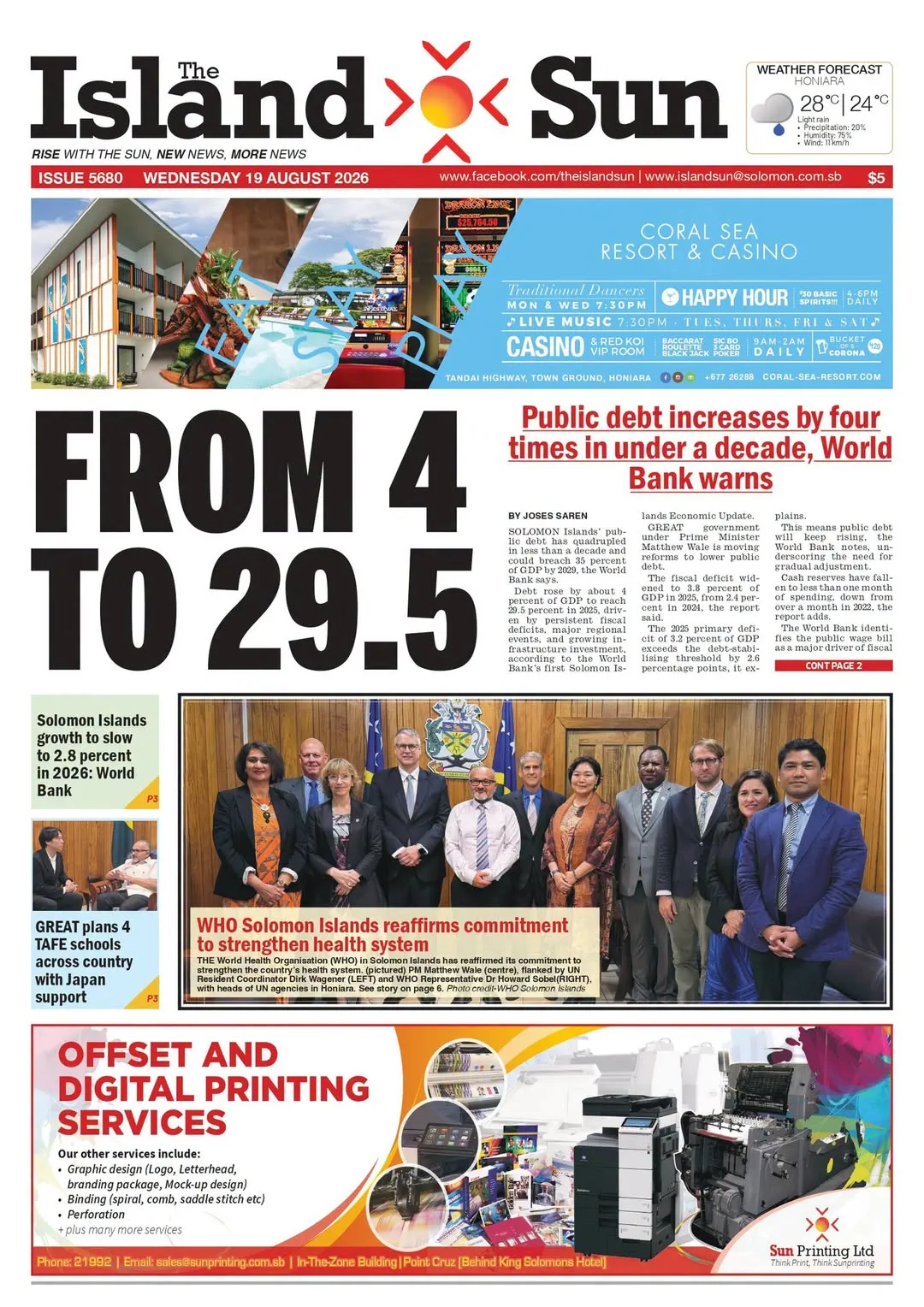
THE ISLAND SUN FRONT PAGE
ISSUE 5680 | WEDNESDAY 19 AUGUST 2026
FROM 4 TO 29.5
Public debt increases by four times in under a decade, World Bank warns
Solomon Islands public debt has quadrupled in less than a decade and could reach 35 percent of GDP by 2029, according to the World Bank.
Debt rose by about 4 percent of GDP to 29.5 percent in 2025, driven by persistent fiscal deficits, major regional events and growing infrastructure investment.
The World Bank warns that public debt will continue to rise, highlighting the need for gradual fiscal adjustment as the Government moves forward with public reforms.
Read the full story on Page 2.
Also in today’s edition
Solomon Islands growth to slow to 2.8 percent in 2026: World Bank - Page 3
GREAT plans 4 TAFE schools across country with Japan support - Page 3
WHO Solomon Islands reaffirms commitment to strengthen health system - Page 6
Plus more national, provincial, development, business, community and sports news inside today’s Island Sun.
Advertisements & Opportunities
Look inside for job vacancies, tenders and procurement notices, government and public notices, business advertisements, products and services.
Get your copy of The Island Sun today and stay informed on the issues and developments shaping Solomon Islands.
Rise with the Sun, New News, More News.
CONTACT US
Newsroom: 26969
Advertising: 28070
Email: islandsun@solomon.com.sb
ISLAND SUN FRONT PAGE
ISSUE 5680 | WEDNESDAY 19 AUGUST 2026
FROM 4 TO 29.5
世界银行警告,公共债务在不到十年的时间里增加了四倍
根据世界银行的报告,所罗门群岛的公共债务在不到十年的时间里已经翻了四倍,到2029年可能达到GDP的35%。
债务在2025年上升了约4%的GDP,达到29.5%,这主要是由于持续的财政赤字、重大区域事件和基础设施投资的增加。
世界银行警告,公共债务将继续上升,强调政府在推进公共改革时需要逐步进行财政调整。
请在第2页阅读完整故事。
Also in today’s edition
所罗门群岛的增长将在2026年放缓至2.8%:世界银行 - 第3页
日本支持下的全国TAFE学校伟大计划 - 第3页
世卫组织所罗门群岛重申加强卫生系统的承诺 - 第6页
此外,今天的岛屿太阳报还包含更多国家、省级、发展、商业、社区和体育新闻。
Advertisements & Opportunities
请查看内部的职位空缺、招标和采购通知、政府和公共通知、商业广告、产品和服务。
今天就获取您的《岛屿太阳报》,及时了解塑造所罗门群岛的议题和发展动态。
与太阳同起,获取新消息,更多新闻。
CONTACT US
新闻热线:26969
广告:28070
电子邮件:islandsun@solomon.com.sb
Island SunBusiness & Economy商业经济·2026-08-19Original ↗原文 ↗
BY LORETTA B MANELE
The Parliamentary Opposition Group commends the Minister of Finance and Treasury, Gordon Darcy Lilo for his responsible and realistic approach to Solomon Islands financial position.
A statement from Opposition this afternoon said the minister’s emphasis on understanding the country’s available fiscal space, strengthening domestic revenue and managing public finances responsibly is the kind of discipline required when Government is faced with many competing demands.
The Opposition Group said Mr Lilo in his recent presentation of the 2026 Supplementary Appropriation Bill, highlighted the pressure placed on the national budget when expenditure increases without corresponding revenue growth or a clear financing strategy.
The statement said this is a difficult responsibility for any Finance Minister, particularly when Government is also pursuing major policy commitments and new programmes.
“Minister Lilo deserves credit for putting fiscal reality at the centre of the discussion. A Finance Minister must look at what the country can actually afford before Government makes commitments that create additional financial obligations,” the Opposition said.
Moreover, the Opposition Group stated that this discipline must apply across Government.
“The Government is increasing expenditure, making additional political appointments and pursuing major commitments including fee-free education, infrastructure, agriculture and other programmes. All of these commitments have financial implications and must be considered against the country’s available resources,” the Opposition said.
Also mentioned is that while increasing revenue is important, it cannot simply be followed by more spending and that Government must also take into consideration what it can afford or sustain over the long term.
In regards to the proposed free education policy, the Opposition said the Government must be clear on the full cost of the policy and on how it will be financed alongside its other commitments.
“Good policy must be matched by good financial planning,” the Opposition stated.
The Opposition said responsible financial management requires the Finance Minister to have the space to properly assess the country’s finances and advise Government on what is affordable and sustainable.
“If we genuinely want responsible government, then fiscal discipline cannot rest with the Finance Minister alone. It must be respected and applied across the whole of Government,” the Opposition said.
Minister Lilo’s focus on fiscal responsibility has been welcomed by the Opposition Group and they will continue to support efforts to strengthen the country’s financial position while scrutinising Government spending and major policy commitments.
The Opposition said Solomon Islanders deserve a Government that makes promises based not only on what people want to hear, but on what the country can realistically afford and sustain and urges the Minister for Finance and Treasury to control government expenditure whilst building the country’s fiscal space.
For feedback, contact: lorettamanele@gmail.com
Editor: irwin3angiki@gmail.com
BY JOSES SAREN
The country is generating only around 2,000 formal jobs a year while roughly 9,000 young people enter the labour market annually, the Solomon Islands Economic Update has found.
World Bank Senior Country Economist Marko Kwaramba said this during the launch of World Bank’s Solomon Islands Economic Update at SINU today.
He said the labour market is moving in the wrong direction, with workers shifting back into subsistence agriculture instead of higher-value jobs.
The report found that labour force participation declined between 2009 and 2019, while unemployment rose from 2.3 percent to 7.9 percent over the same period.
Youth unemployment stood at 14.5 percent, and the report projected Solomon Islands’ youth population will reach 200,000 by 2035, the highest in the Pacific.
“Instead of the country witnessing a structural transformation, it’s actually witnessing what you call the reversal of structural transformation,” Kwaramba said.
The report also cited a 2025 World Bank Enterprise Survey showing employment growth among firms fell to 5.1 percent, down from 12 percent in 2015 and now below the regional average.
World Bank Country Representative Bernard Harborne said the private sector remained too “captured”, calling for space to be freed up for growth in agriculture, fisheries, and tourism.
The report recommended lowering the cost of formality and investment, expanding access to finance for productive sectors, and supporting job-creating diversification through infrastructure such as roads and electricity.
Photo credit: Joses Saren
For feedback, contact: josessaren@gmail.com
Editor: irwin3angiki@gmail.com
BY JOSES SAREN
The World Bank launched the Solomon Islands Economic Update at Solomon Islands National University’s Kukum Lecture Theatre today.
The report, titled “Harnessing the New Roots of Growth,” found that the economy grew by 3.6 percent in 2025, continuing a rebound after three years of contraction but remains narrow and fragile, the report said.
Acting Permanent Secretary for Finance and Treasury Coswal Nelson delivered the Ministry of Finance and Treasury’s statement, saying growth “must translate into jobs, income, better services, and stronger resilience for Solomon Islanders.”
World Bank Country Representative Bernard Harborne told the gathering the country was “at a crossroads,” welcoming what he called a “not business as usual” approach from the government.
Harborne announced that the World Bank will release a poverty report in September, based on the Household Income and Expenditure Survey, followed by a private sector report in October or November.
SINU Vice-Chancellor Transform Aqorau said the university wanted to provide a space for our country to gather and discuss these issues.
World Bank Senior Country Economist Marko Kwaramba presented the report’s findings, revealing public debt has quadrupled in less than a decade and now sits at 29.5 percent of GDP, while the fiscal deficit widened to 3.8 percent of GDP in 2025.
The launch featured a moderated panel discussion with Central Bank of Solomon Islands Governor Dr Forau, SINU’s Professor Kapila Mallah, SICCI CEO James Dolarii, YECSI chairman Limahl Totogi, and Economic Association of Solomon Islands representative Reuben Tovutovu.
Photo credit: Joses Saren
For feedback, contact: josessaren@gmail.com
Editor: irwin3angiki@gmail.com
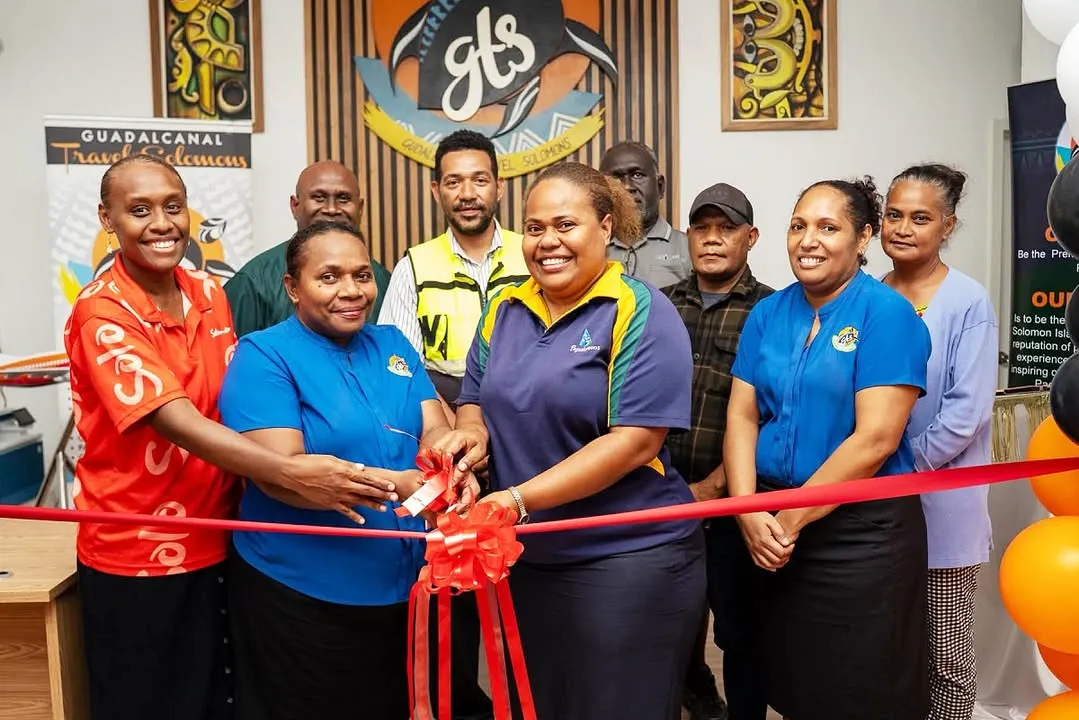
Guadalcanal Travel Solomons (GTS) has officially opened its second branch, located at Henderson, Guadalcanal, marking what the company describes as an important milestone in its growth.
Read more: https://www.solomonstarnews.com/guadalcanal-travel-solomon.../
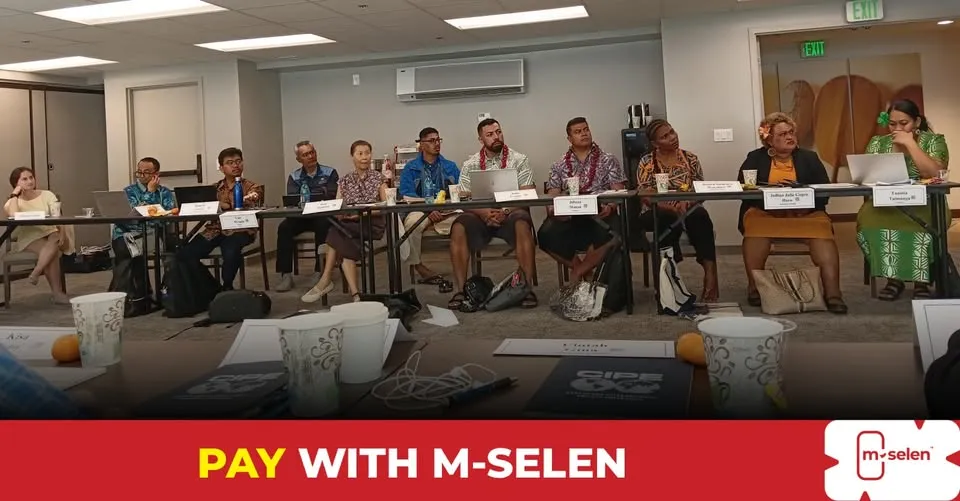
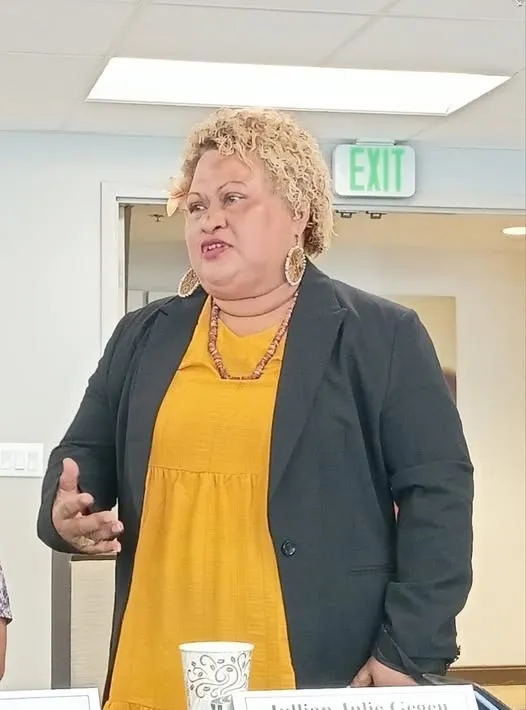
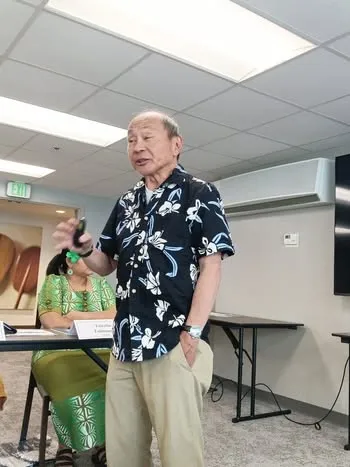
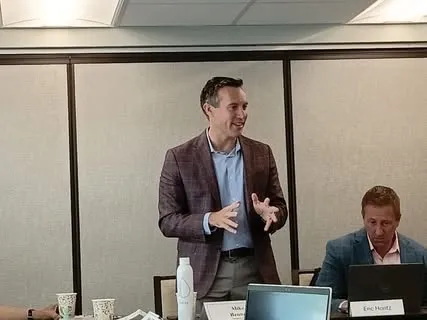
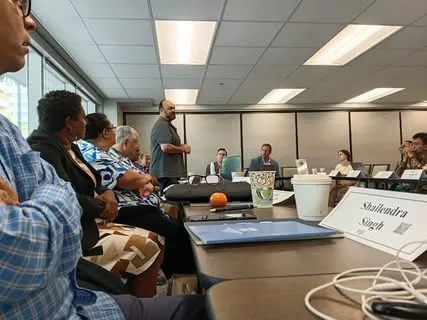
By ULUTAH GINASolomon Star, HawaiiFIVE Solomon Islanders are among Pacific representatives taking part in a regional workshop in Honolulu aimed at strengthening democratic institutions, good governance and private-sector development across the region.They are; Solomon Islands Women in Business (SIWIBA) Julie Haro President of SIWIBA, SIWIBA Chief Executive Officer [CEO] Dr. Donna Marie Wate, Acting CEO Jessiaca Sutarara Warahiru, Melinda Kii -Cabinet Monitoring Cabinet Committee (CMCC) Prime Minister's Office (PMO), Emmanau Mayan from the Western Provincial Government [WPG] and Solomon Star’s Gizo-based Reporter Gina.The five-day programme, hosted by the Center for International Private Enterprise (CIPE) is underway this week.It runs from Monday August 17 to Friday August 22. A total of 20 participants from Solomon Islands, Fiji and Samoa are part of the workshop.The aim of the workshop is to exchange experiences and discuss shared challenges affecting democratic and economic development in the Pacific.It provides participants with an opportunity to examine ways of strengthening good governance, expanding private-sector opportunities, supporting economic development and increasing public participation in decision-making.It further focuses on strengthening democratic institutions and creating greater opportunities for people to participate in economic and public affairs.For the Solomon Islands participants, the workshop provides an opportunity to share experiences from home while learning from the experiences of other Pacific countries.The regional gathering is also expected to strengthen networks among participants and create opportunities for future cooperation across the Pacific.CIPE was established in the United States in 1983 and works with business leaders, policymakers and civil society organisations to promote democratic and economic reforms.Its areas of work include private-sector development, entrepreneurship, good governance, anti-corruption, corporate governance, business associations, access to information, property rights, and the participation of women and young people.The organisation promotes the role of a strong private sector and accountable democratic institutions in supporting sustainable economic growth and creating greater economic opportunities.The discussions are particularly relevant to Solomon Islands as the country continues to face challenges around economic development, employment, institutional strengthening and wider participation in economic and public affairs.Participants from the three Pacific countries are also expected to discuss common challenges facing small island economies, including limited markets, geographic isolation and restricted economic opportunities.The workshop is expected to equip participants with new knowledge, regional connections and practical ideas that can be applied in their respective countries.For Solomon Islands, the participation provides an opportunity to bring home regional perspectives and experiences that could contribute to future discussions on inclusive economic development, stronger institutions and good governance.Ends///
作者:ULUTAH GINA所罗门星报,夏威夷五名所罗门岛人是参加在檀香山举行的区域研讨会的太平洋代表之一,旨在加强该地区的民主机构、良好治理和私营部门发展。他们分别是:所罗门群岛商业女性协会(SIWIBA)主席朱莉·哈罗(Julie Haro)、SIWIBA首席执行官(CEO)唐娜·玛丽·瓦特(Dr. Donna Marie Wate)、代理首席执行官杰西卡·苏塔拉拉·瓦拉希鲁(Jessiaca Sutarara Warahiru)、梅琳达·基(Melinda Kii)——内阁监测内阁委员会(CMCC)总理办公室(PMO)、来自西部省政府(WPG)的埃曼努·马扬(Emmanau Mayan)以及所罗门星报基佐记者吉娜(Gina)。为期五天的项目由国际私人企业中心(CIPE)主办,本周正在进行中。研讨会从8月17日(星期一)持续到8月22日(星期五)。共有来自所罗门群岛、斐济和萨摩亚的20名参与者参加了此次研讨会。研讨会的目的是交流经验,讨论影响太平洋地区民主和经济发展的共同挑战。它为参与者提供了一个机会,审视加强良好治理、扩大私营部门机会、支持经济发展和增加公众参与决策的方式。研讨会进一步关注加强民主机构,创造更多机会让人们参与经济和公共事务。对于所罗门群岛的参与者来说,研讨会提供了一个分享本国经验的机会,同时学习其他太平洋国家的经验。此次区域聚会还预计将加强参与者之间的网络联系,并创造未来在太平洋地区合作的机会。CIPE成立于1983年,总部位于美国,与商业领袖、政策制定者和民间社会组织合作,推动民主和经济改革。其工作领域包括私营部门发展、创业、良好治理、反腐败、公司治理、商业协会、信息获取、财产权以及女性和年轻人的参与。该组织促进强大的私营部门和负责任的民主机构在支持可持续经济增长和创造更大经济机会方面的作用。这些讨论对所罗门群岛尤其相关,因为该国仍然面临经济发展、就业、机构强化和更广泛参与经济和公共事务的挑战。来自三个太平洋国家的参与者还预计将讨论小岛经济面临的共同挑战,包括市场有限、地理隔离和经济机会受限。研讨会预计将为参与者提供新的知识、区域联系和可在各自国家应用的实用想法。对于所罗门群岛而言,参与提供了一个机会,将区域视角和经验带回家,这可能有助于未来关于包容性经济发展、加强机构和良好治理的讨论。结束///
The Solomon Islands economy is increasingly dependent on mining, with minerals accounting for 53% of total exports in 2025, up from just 4% in 2019. Because of this the World Bank is warning that mining revenues must be managed transparently and invested in ways that strengthen public finances and protect the country from future economic shocks. The World Bank’s August 2026 Solomon Islands Economic Update, titled “Harnessing the New Roots of Growth,” said the country’s shift from logging to mining has reshaped the economy but has not yet created a broad-based economic recovery. The report recommends strengthening mining governance, improving revenue collection, reducing tax exemptions and considering the establishment of a sovereign wealth fund so that mineral revenues can be converted into long-term national assets. The warning comes as government finances remain under pressure, with cash reserves covering less than one month of government spending, while public debt reached about 30% of GDP in 2025. The World Bank says mining provides an important opportunity, but Solomon Islands must avoid simply replacing one extractive sector with another. The key question for policymakers is whether the current mining boom can be transformed into investment in infrastructure, jobs and productive sectors that will benefit Solomon Islanders long after mineral resources decline. The report is set for its official launch Tuesday morning - 18th August. //end//
所罗门群岛的经济日益依赖矿业,矿产在2025年占总出口的53%,而2019年仅占4%。因此,世界银行警告,矿业收入必须透明管理,并以增强公共财政和保护国家免受未来经济冲击的方式进行投资。世界银行2026年8月发布的《所罗门群岛经济更新》报告,题为《利用新增长根源》(“Harnessing the New Roots of Growth”),指出国家从伐木转向矿业重塑了经济,但尚未创造出广泛的经济复苏。报告建议加强矿业治理、改善收入征收、减少税收豁免,并考虑建立主权财富基金,以便将矿产收入转化为长期国家资产。随着政府财政承压,现金储备不足一个月的政府支出,而公共债务在2025年达到约30%的GDP,警告随之而来。世界银行表示,矿业提供了重要机会,但所罗门群岛必须避免简单地用另一个开采行业取而代之。政策制定者面临的关键问题是,当前的矿业繁荣是否能转化为基础设施、就业和生产性部门的投资,从而使所罗门群岛人民在矿产资源衰退后仍能受益。报告定于8月18日星期二正式发布。//结束//
JOBS GAP, PRIVATESECTOR GROWTH9,000 Young Solomon Islanders Enter Workforce Each Year, But Only 2,100 Jobs CreatedBy John ChrismaSolomon Star, HoniaraThe World Bank’s economic update for Solomon Islands highlights a growing employment challenge with around 9,000 young people entering the labour market annually, while only about 2,100 jobs are being created.The report argues that Solomon Islands’ current growth model is not creating enough employment opportunities and is pushing more workers towards subsistence agriculture and low-value informal activities.Although the economy grew by an average of 3.1% annually between 2023 and 2025, the recovery has been concentrated in mining and public investment rather than broad-based private-sector development.The World Bank says the country needs to expand sectors capable of generating more jobs, including higher-value agriculture, fisheries, tourism, renewable energy and small businesses.Access to finance is also identified as a major concern.Around 40% of bank lending goes towards household consumption, while agriculture, fisheries and forestry receive only about 5%.The report recommends improving access to finance for small businesses through measures such as partial credit guarantees, development finance windows and stronger incentives for banks to lend to productive sectors.With Solomon Islands approaching its 50th Independence anniversary, the report presents the employment challenge as a major test for the country’s future economic direction.The report will be officially launched in Honiara Tuesday morning 18th August.ENDS...Photo caption: The growing population of youths are faced with employment challenge.
BY JOHN HOUANIHAU
The Government says it will strengthen the Office of the Auditor-General (OAG) after acknowledging that the institution has been neglected for too long and that weaknesses remain in accounting and auditing capacity across the public sector.
Minister of Finance and Treasury, Gordon Darcy Lilo made the remarks today during Parliament’s Committee of Supply on the 2026 Supplementary Appropriation Bill 2026.
The issue was raised by Opposition Leader Manasseh Sogavare, who supported funding for the CAPSA projects, describing them as important for developing the technical skills required by the Auditor-General’s Office over the long term.
Mr Sogavare also raised concerns about weaknesses in accounting capacity across government ministries, state-owned enterprises and other public institutions.
He called for more training and professional development for accountants, including opportunities to progress towards higher qualifications.
Mr Lilo in his response agreed that the concerns were valid, saying the country had neglected the Office of the Auditor-General for too long.
He said the Government is now giving greater attention to strengthening the office’s human resources and technical capacity so its work can have public confidence.
He said training is already being provided locally, while the Government is also working with partners to develop regulations that will provide accountants with a clearer pathway towards professional certification, including CPA qualifications.
“Another major reform involves the proposed Auditor-General’s Bill, which is being finalised before being sent back to the Attorney-General’s Chambers for further vetting. One of the key issues being considered is how confidential tax information will be handled between the Office of the Auditor-General and the tax authority,” Lilo said.
He explained that tax information is currently protected by strict secrecy requirements, while the proposed legislation will give the Auditor-General greater scope to conduct audits.
“Consultations on the issue had been positive and that the Bill should return to the Attorney-General’s Chambers for further legal review before coming back to Parliament,” he said.
He also highlighted concerns raised in the Public Accounts Committee report about public sector governance and comprehensive auditing involving politicians and public servants.
Mr Lilo said effective follow-up to audits conducted by the Auditor-General will strengthen public confidence in government institutions and improve integrity across the public sector.
“The Government must not lose the progress already made in strengthening the Auditor-General’s Office,” he said.
Photo credit: NPSI
For feedback, contact: jhouanihau24@gmail.com
Editor: irwin3angiki@gmail.com
Prime Minister Hon. Matthew Wale has called on Solomon Islands’ development partners to better align their support with national priorities and help deliver tangible results for the people.
Speaking at the opening of the Solomon Islands Development Partnership Summit 2026 at Heritage Park Hotel today, Prime Minister Wale said stronger cooperation between Government and development partners was essential to achieving the country’s development goals.
He acknowledged the significant contribution of development partners, noting that between 2016 and 2021, they contributed SBD$8.8 billion of the SBD$13.6 billion mobilised for development.
Prime Minister Wale said the GREAT Coalition Government’s reform agenda is focused on strengthening institutions, restoring trust, upholding the rule of law and ensuring the Government serves the people.
“We are rebuilding trust between Government and our people, and between Government and our development partners, anchored in openness, mutual respect, transparency and accountability,” he said.
He said the Government’s priorities include Free Education, affordable electricity, stronger institutions, responsible decentralisation and people-centred development.
The Prime Minister also highlighted the need to transform and diversify the economy by strengthening agriculture, fisheries, forestry, tourism, mining, energy, commerce and small and medium enterprises, while building the country’s manufacturing base.
“We are resolved to transform this economy and widen the horizon of opportunity for every Solomon Islander,” he said.
Prime Minister Wale urged development partners to support coordinated national programmes, increase the use of local content and national systems, and ensure development investments create greater benefits for Solomon Islanders and local businesses.
“Let this Summit mark the passage from dialogue to action, from commitments to implementation, and from scattered individual projects to a coordinated national development effort,” he said.
With Solomon Islands set to graduate from Least Developed Country status in December 2027, the Prime Minister also called for continued support during the transition towards greater self-reliance.
He said the Development Partnership Summit will become an annual event, with the next Summit expected in 2027.
Prime Minister Wale thanked the United Nations, UN Resident Coordinator Mr. Dirk Wagener, and the Government of New Zealand, through High Commissioner His Excellency Jonathan Curr, for supporting and financing the Summit.
[end]
OPMC statement
The post PM Wale calls for development partnership focused on results and economic transformation first appeared on Solomon Islands Broadcasting Corporation (SIBC) .
所罗门群岛总理马修·瓦尔(Hon. Matthew Wale)呼吁所罗门群岛的发展伙伴更好地将其支持与国家优先事项对齐,并帮助为人民提供切实的成果。在今天于遗产公园酒店举行的2026年所罗门群岛发展伙伴关系峰会开幕式上,瓦尔总理表示,政府与发展伙伴之间的更强合作对于实现国家的发展目标至关重要。他承认发展伙伴的重大贡献,指出在2016年至2021年间,他们为所罗门群岛动员的136亿所罗门元中贡献了88亿所罗门元。瓦尔总理表示,伟大联盟政府的改革议程专注于加强机构、恢复信任、维护法治并确保政府为人民服务。“我们正在重建政府与人民之间、政府与发展伙伴之间的信任,基于开放、相互尊重、透明和问责,”他说。他表示,政府的优先事项包括免费教育、可负担的电力、更强的机构、负责任的分权和以人为本的发展。总理还强调了通过加强农业、渔业、林业、旅游、采矿、能源、商业和中小企业来转型和多样化经济的必要性,同时建立国家的制造基础。“我们决心转变这一经济,为每位所罗门岛民拓宽机会的视野,”他说。瓦尔总理呼吁发展伙伴支持协调的国家项目,增加本地内容和国家系统的使用,并确保发展投资为所罗门岛民和当地企业创造更大的利益。“让这次峰会标志着从对话到行动,从承诺到实施,以及从分散的个别项目到协调的国家发展努力的过渡,”他说。随着所罗门群岛预计在2027年12月从最不发达国家地位毕业,总理还呼吁在向更大自给自足的过渡期间继续支持。他表示,发展伙伴关系峰会将成为一项年度活动,下一次峰会预计在2027年举行。瓦尔总理感谢联合国、联合国驻所罗门群岛协调员迪克·瓦根(Mr. Dirk Wagener)和新西兰政府,通过高专员乔纳森·卡尔(His Excellency Jonathan Curr)支持和资助此次峰会。
World Bank Highlights Opportunities for Solomon Islands' Economic Recovery EffortBy John ChrismaSolomon Star, HoniaraSolomon Islands has an opportunity to transform its economic recovery into more jobs, higher incomes and greater resilience to future shocks, according to the World Bank Group’s first-ever Solomon Islands Economic Update.The report, titled “Harnessing the New Roots of Growth,” identifies stronger public financial management, greater investment in agriculture and fisheries, and new sources of economic growth beyond mining as critical to achieving more inclusive and sustainable development.The Economic Update shows that Solomon Islands’ economy has rebounded after contracting for three consecutive years between 2020 and 2022. However, the recovery remains narrow and is largely driven by mining, remittances and public infrastructure spending.According to the World Bank, these sources of growth have generated limited employment, delivered uneven benefits across communities and left the economy exposed to future shocks.“Solomon Islands is at an important turning point,” said Bernard Harborne, World Bank Group Resident Representative for Solomon Islands and Vanuatu.“The country is benefiting from new sources of growth, particularly mining, but long-term prosperity will depend on how effectively resource revenues are managed and invested. Stronger public finances and greater investment in productive sectors can help create jobs, support local businesses, and improve living standards across the country.”The report projects the Solomon Islands economy will grow by 2.8 percent in 2026, driven mainly by gold mining and public investment.Gold accounted for more than half of the country’s exports in 2025, compared with just four percent in 2019. However, the World Bank cautions that while mining can generate significant export earnings, it requires substantial investment and creates relatively few jobs.The report further highlighted that stronger governance and careful reinvestment of resource revenues will be essential to ensure that the benefits of mining reach communities and the wider economy.Youth employment remains a major challenge, the report noted.The need to create employment opportunities for young Solomon Islanders is particularly urgent.The report estimates that around 9,000 young Solomon Islanders enter the labour force every year, while only about 2,100 formal jobs are created annually.This significant gap highlights the need for the country to develop sectors capable of generating more employment and income opportunities outside the extractive industries.The World Bank also warns that fiscal pressures are mounting.Cash reserves currently cover less than one month of government spending, while public debt reached 30 percent of GDP in 2025.Declining grants, higher fuel costs and climate-related disasters are placing additional pressure on government finances. The impact of Tropical Cyclone Maila has further highlighted the importance of rebuilding financial buffers and strengthening preparedness for future crises.Agriculture, fisheries and tourism identified as opportunitiesTo address these challenges, the Economic Update identifies two broad priorities: rebuilding public finances so the Government can better respond to shocks, and broadening the economy to generate more jobs and incomes.Among its recommendations, the World Bank calls for stronger mining governance and revenue collection, implementation of planned tax reforms, increased investment in productive sectors and expanded access to finance for businesses.The report also identifies significant opportunities in higher-value agriculture, fisheries and tourism.A more predictable business environment, improved access to finance and investment in productive sectors could help unlock these industries and create employment opportunities across Solomon Islands.The inaugural Solomon Islands Economic Update will be launched for the first time in the country at Solomon Islands National University (SINU) on August 18, 2026, on Tuesday with members of the public encouraged to attend.A media briefing on the report was also held on Monday, August 17, at the World Bank Group Office at Heritage Park Building in Honiara.The briefing included a presentation of the report’s key findings by Marko Kwaramba, World Bank Group Senior Economist.As Solomon Islands approaches its 50th anniversary of independence, the World Bank says the country has a unique opportunity to build a more diverse, resilient and job-rich economy.The report concludes that with the right reforms and investments, Solomon Islands can turn its natural resources, youthful population and untapped economic potential into greater opportunities and improved living standards for future generations.//End//
World Bank Highlights Opportunities for Solomon Islands' Economic Recovery EffortBy John ChrismaSolomon Star, Honiara根据世界银行集团首次发布的《所罗门群岛经济更新》,所罗门群岛有机会将其经济复苏转化为更多的就业机会、更高的收入和更强的抵御未来冲击的能力。该报告题为《利用新的增长根源》,指出加强公共财政管理、增加对农业和渔业的投资以及开发采矿以外的新经济增长来源是实现更具包容性和可持续发展的关键。经济更新显示,所罗门群岛的经济在2020年至2022年连续三年收缩后已经反弹。然而,复苏仍然较为狭窄,主要由采矿、汇款和公共基础设施支出驱动。根据世界银行的说法,这些增长来源创造的就业机会有限,给各社区带来的利益不均,并使经济面临未来冲击的风险。“所罗门群岛正处于一个重要的转折点,”世界银行集团驻所罗门群岛和瓦努阿图代表伯纳德·哈博恩(Bernard Harborne)表示。“该国正在受益于新的增长来源,特别是采矿,但长期繁荣将取决于资源收入的管理和投资效率。更强的公共财政和对生产性部门的更多投资可以帮助创造就业机会,支持当地企业,并改善全国的生活水平。”报告预测,所罗门群岛经济将在2026年增长2.8%,主要由黄金采矿和公共投资推动。黄金在2025年占该国出口的超过一半,而在2019年仅占4%。然而,世界银行警告说,尽管采矿可以产生可观的出口收入,但它需要大量投资,并创造相对较少的就业机会。报告进一步强调,强化治理和谨慎再投资资源收入对于确保采矿的利益惠及社区和更广泛的经济至关重要。报告指出,青年就业仍然是一个重大挑战。为年轻的所罗门群岛人创造就业机会的需求尤为迫切。报告估计,每年约有9,000名年轻的所罗门群岛人进入劳动力市场,而每年仅创造约2,100个正式工作。这一显著差距突显了该国需要发展能够在采掘行业之外创造更多就业和收入机会的部门。世界银行还警告财政压力正在加大。目前现金储备覆盖的政府支出不足一个月,而公共债务在2025年达到了GDP的30%。拨款减少、燃料成本上升和气候相关灾害给政府财政带来了额外压力。热带气旋迈拉的影响进一步突显了重建财政缓冲和增强未来危机应对能力的重要性。农业、渔业和旅游被确定为机遇为应对这些挑战,经济更新确定了两个广泛的优先事项:重建公共财政,以便政府能够更好地应对冲击,以及拓宽经济以创造更多就业和收入。在其建议中,世界银行呼吁加强采矿治理和收入征收,实施计划中的税收改革,增加对生产性部门的投资,并扩大对企业的融资渠道。报告还确定了在高价值农业、渔业和旅游方面的重大机遇。更可预测的商业环境、改善融资渠道和对生产性部门的投资可以帮助解锁这些行业,并在所罗门群岛创造就业机会。首届所罗门群岛经济更新将于2026年8月18日星期二在所罗门群岛国立大学(SINU)首次发布,鼓励公众参加。关于该报告的媒体简报也于8月17日星期一在霍尼亚拉的世界银行集团办公室举行。简报包括世界银行集团高级经济学家马尔科·夸兰巴(Marko Kwaramba)对报告关键发现的介绍。随着所罗门群岛即将迎来独立50周年,世界银行表示,该国有独特的机会建立一个更加多元化、韧性强和就业丰富的经济。报告总结认为,凭借正确的改革和投资,所罗门群岛可以将其自然资源、年轻人口和未开发的经济潜力转化为更大的机遇和未来几代人的生活水平提升。
BY JOSES SARENWork on modernising land surveying and mapping in Honiara has taken on another level with Ministry of Lands, Housing and Survey (MLHS) Surveyor General’s Division reviewing the accuracy of property boundaries and testing a prototype digital land information system.A statement from CAUSE II Project this morning said a workshop on this was held yesterday and hosted by Surveyor General Leslie Volalia for 10 staff from the Survey Section and the National Geographic Information Centre (NGIC).One of the highlights from discussions was on work carried out earlier this year to bring older survey information into modern coordinate systems.The statement said MLHS surveyors used GPS to determine the mathematical parameters needed to convert survey coordinates from a pre-independence system into the modern coordinate systems used by GPS and digital mapping platforms such as Google Earth.The workshop reviewed how this work can be finalised and extended beyond Honiara to other parts of the country.A key outcome was the confirmation that Honiara’s property-boundary coordinates are now in good shape for integration into the proposed Integrated Land Information System (ILIS).“The proposed ILIS is intended to provide a shared digital platform for land information, with the system expected to support MLHS, Honiara City Council (HCC) and Guadalcanal Provincial Government (GPG),” the statement said.As part of the workshop, surveyors and mapping staff were given a hands-on opportunity to review a prototype system built on SOLA (Solutions for Land Administration), an open-source land administration platform developed with the Food and Agriculture Organization of the United Nations (FAO).This exercise allowed staff to look at how well SOLA could meet Solomon Islands’ survey and mapping needs and how it can help streamline processes within the Surveyor General’s Division.The statement added that the proposed system could also make digital information on property boundaries and ownership more accessible to government agencies and, over time, the general public.Neil Pullar, Land Administration Consultant with the CAUSE II Project, said getting the survey foundations right is what makes everything else possible.“Once Honiara’s property boundaries line up with GPS and Google Earth, we can bring boundaries and ownership together in one trusted system that MLHS, the city and the province can all rely on – and that the public can access,” he said.The CAUSE II Project said feedback from the Division’s surveyors and mapping staff will help shape how the tools are finalised and eventually rolled out across the country.The CAUSE II Project is implemented by the Solomon Islands Government and supported by the World Bank and the Australian Government through the PNG and Pacific Islands Umbrella Facility Multi-Donor Trust Fund.Photo credit: CAUSE II ProjectFor feedback, contact: josessaren@gmail.comEditor: irwin3angiki@gmail.com
作者:JOSES SAREN霍尼亚拉的土地测量和制图现代化工作已进入新阶段,土地、住房和测量部(MLHS)测量总监办公室正在审查地产边界的准确性,并测试一个原型数字土地信息系统。CAUSE II 项目今天早上发表声明称,昨天举行了一次研讨会,由测量总监莱斯利·沃拉利亚主持,参加者包括来自测量科和国家地理信息中心(NGIC)的10名工作人员。讨论的一个亮点是今年早些时候进行的工作,旨在将旧的测量信息转化为现代坐标系统。声明指出,MLHS的测量员使用GPS确定将测量坐标从独立前系统转换为现代坐标系统所需的数学参数,这些现代坐标系统被GPS和数字制图平台(如谷歌地球)所使用。研讨会回顾了如何最终确定这项工作,并将其扩展到霍尼亚拉以外的其他地区。一个关键成果是确认霍尼亚拉的地产边界坐标现在已准备好整合到提议的综合土地信息系统(ILIS)中。声明称:“提议的ILIS旨在提供一个共享的数字土地信息平台,预计该系统将支持MLHS、霍尼亚拉市议会(HCC)和瓜达尔卡纳尔省政府(GPG)。”作为研讨会的一部分,测量员和制图工作人员获得了亲身体验的机会,审查基于SOLA(土地管理解决方案)的原型系统,这是一个与联合国粮食及农业组织(FAO)共同开发的开源土地管理平台。这一练习使工作人员能够了解SOLA在满足所罗门群岛的测量和制图需求方面的表现,以及它如何帮助简化测量总监办公室的流程。声明补充说,提议的系统还可以使政府机构更容易获取有关地产边界和所有权的数字信息,并随着时间的推移使公众也能获得这些信息。CAUSE II 项目的土地管理顾问尼尔·普拉尔表示,确保测量基础的准确性是实现其他一切可能的前提。他说:“一旦霍尼亚拉的地产边界与GPS和谷歌地球对齐,我们就可以在一个可信赖的系统中将边界和所有权整合在一起,MLHS、城市和省政府都可以依赖这个系统,公众也可以访问。”CAUSE II 项目表示,来自测量员和制图工作人员的反馈将有助于确定工具的最终定型和最终在全国范围内的推广。CAUSE II 项目由所罗门群岛政府实施,并得到世界银行和澳大利亚政府通过巴布亚新几内亚和太平洋岛国伞形设施多捐赠者信托基金的支持。照片来源:CAUSE II 项目反馈联系:josessaren@gmail.com编辑:irwin3angiki@gmail.com
Island SunBusiness & Economy商业经济·2026-08-17Original ↗原文 ↗