Official updates from important public, service, business and development institutions in Solomon Islands.
Fisheries authorities and stakeholders in Vanuatu are reviewing regional and international human rights and labour standards, looking at the national changes needed to implement new standards protecting crew aboard fishing vessels.
Fisheries authorities and stakeholders in Vanuatu are reviewing relevant regional and international human rights standards and examining the national changes needed to implement new standards protecting crew aboard fishing vessels.
The Pacific Islands Forum Fisheries Agency (FFA) supported a three-day national stakeholder consultation in Port Vila from 25 – 27 August 2026. The Vanuatu Fisheries Department took part as the key national authority that will lead and coordinate the Crew Labour Standards work in Vanuatu.
The workshop focused on the awareness of the FFA Harmonised Minimum Terms and Conditions (HMTCs) and the Western and Central Pacific Fisheries Commission’s (WCPFC) landmark Conservation and Management Measure for Crew Labour Standards, known as CMM 2024-04, that takes effect on 1 January 2028.
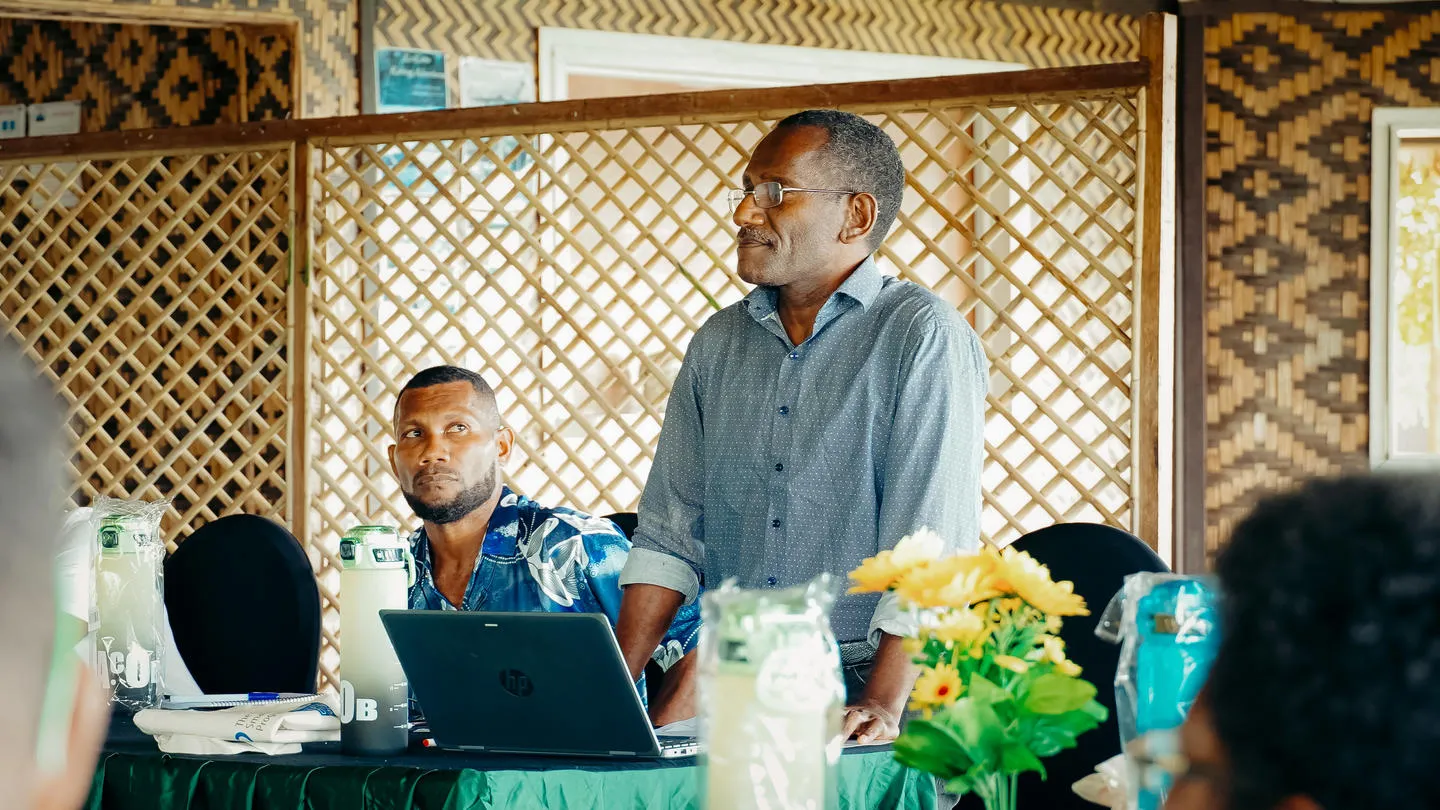
Vanuatu Fisheries Department Deputy Director of Offshore Fisheries Tony Taleo, said the workshop was important for the country’s legal, economic and social interests.
Tony Taleo, Deputy Director of Offshore, Vanuatu Fisheries Department. Photo: FFA
“As a Pacific Island nation with a significant maritime domain and an active international vessel registry, Vanuatu’s participation in and alignment with these regional labour standards directly impacts its sovereignty, reputation and workforce protection,” Mr Taleo said.
“For Vanuatu, the FFA workshop on WCPFC labour standards is not merely a regulatory formality; it is a strategic imperative. It equips the country with the tools to protect vulnerable fishing crews, close legal loopholes in maritime labour enforcement, uphold its international commitments, and safeguard the long-term sustainability and reputation of its blue economy.”
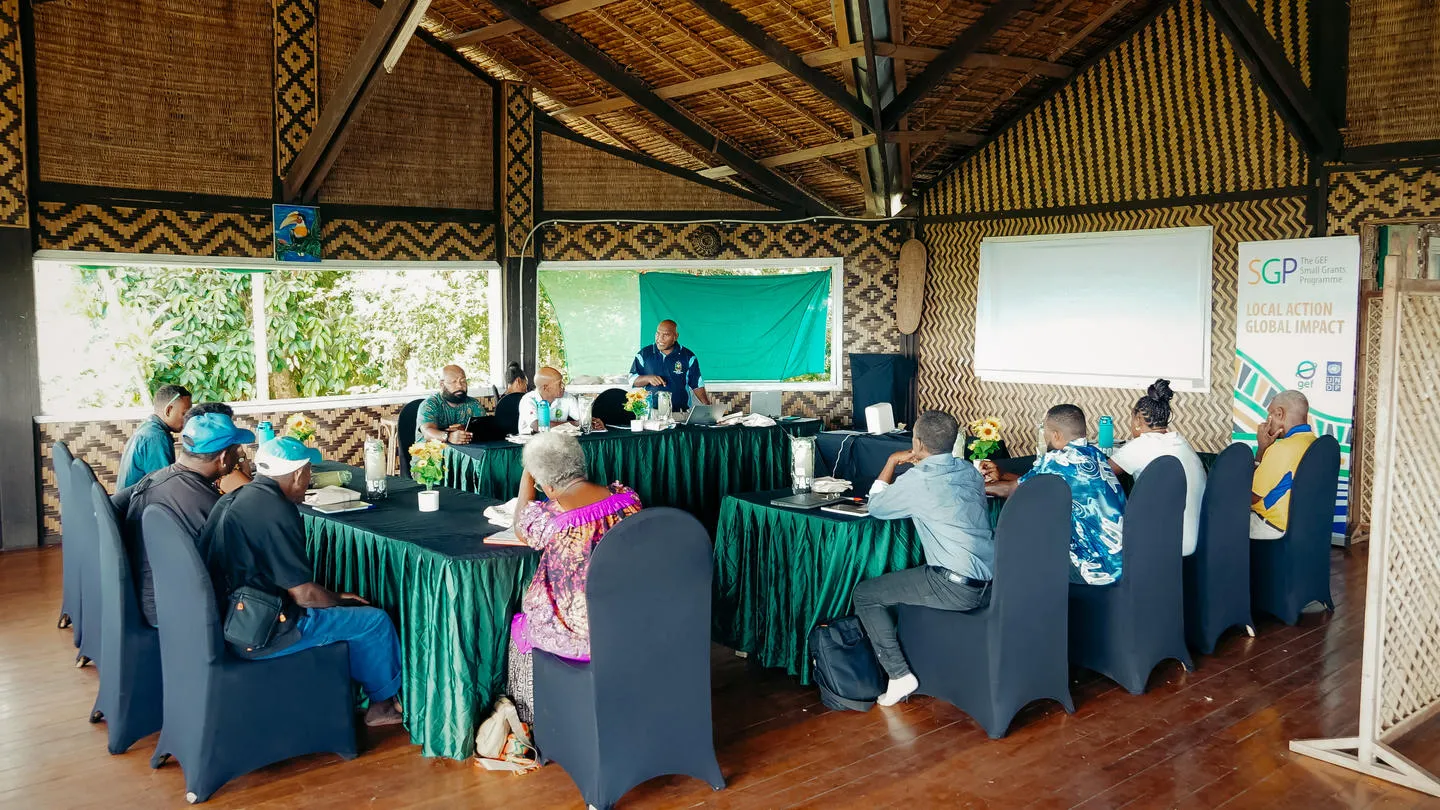
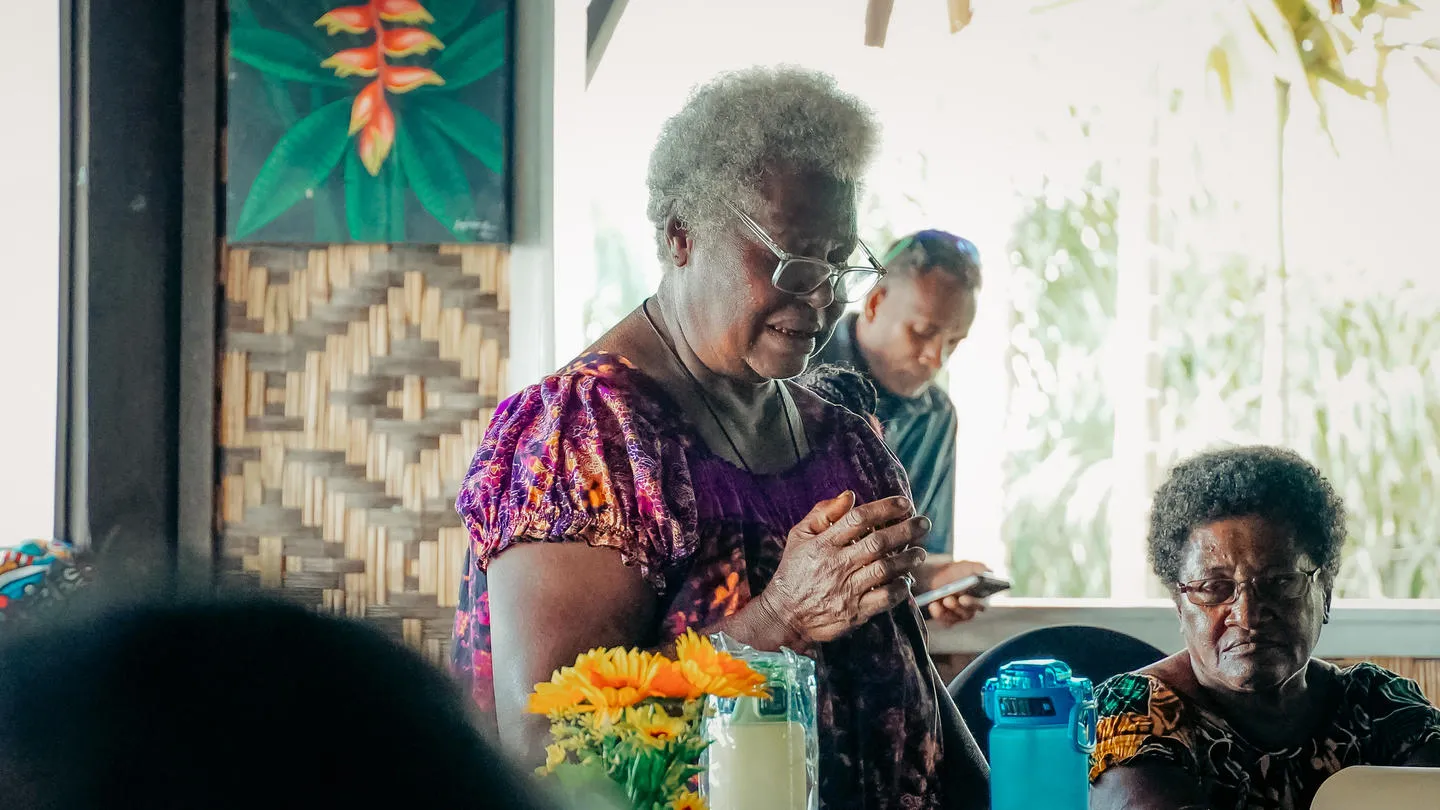
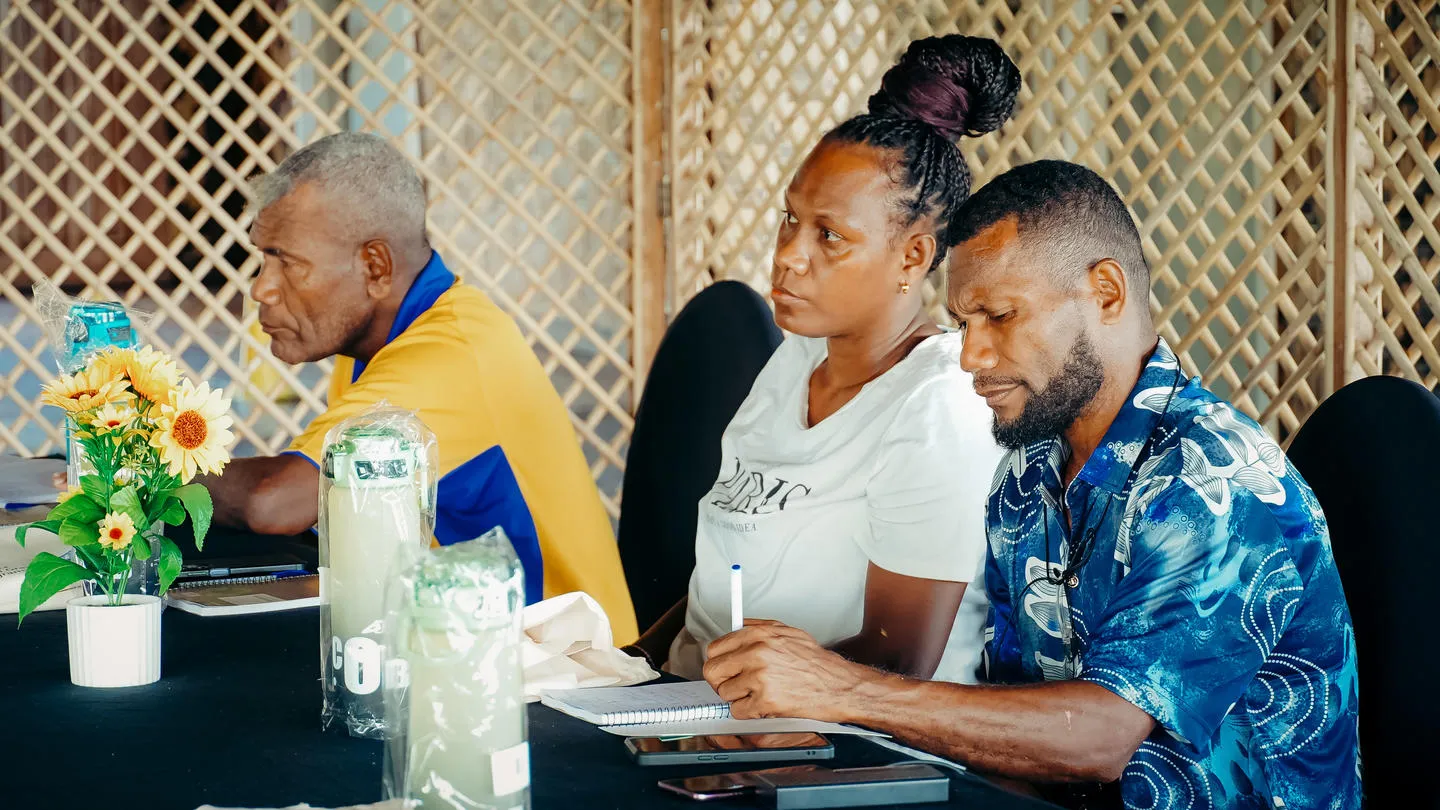
The consultation brought together 10 participants from fisheries, maritime, police and health authorities, as well as representatives from the fishing industry.
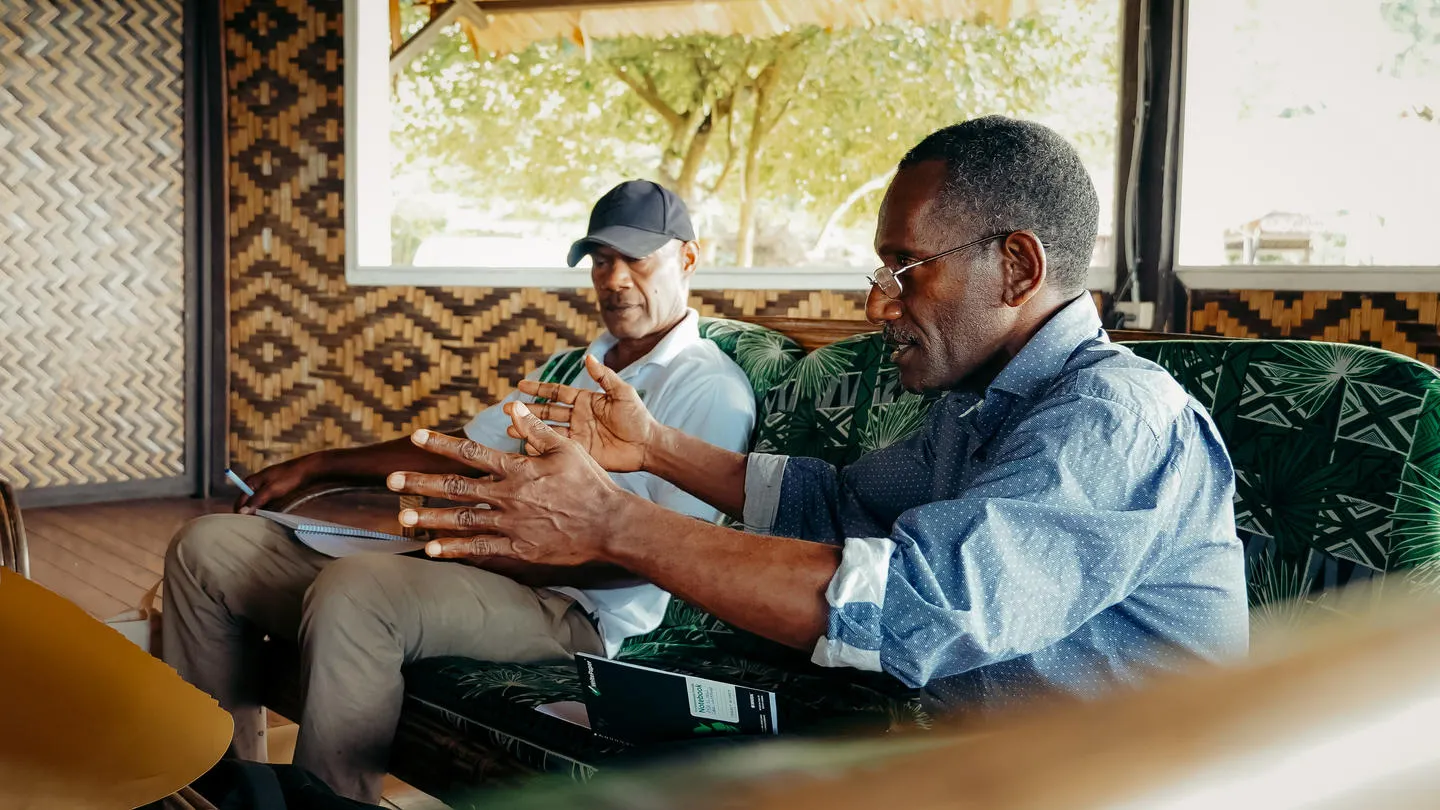
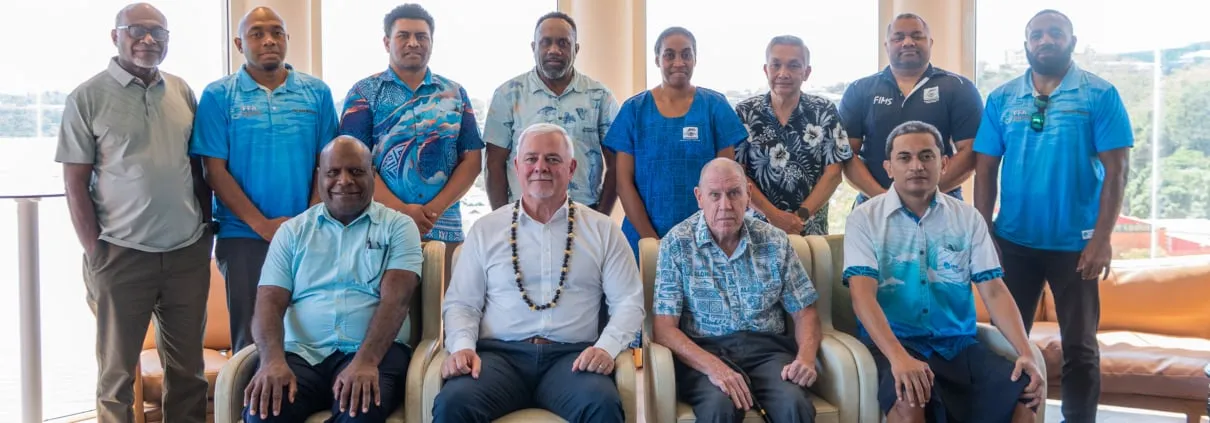
Vanuatu Minister for Health, Hon. Robert Bohn were among national authorities and stakeholders that took part in the consultation. Photo: FFA
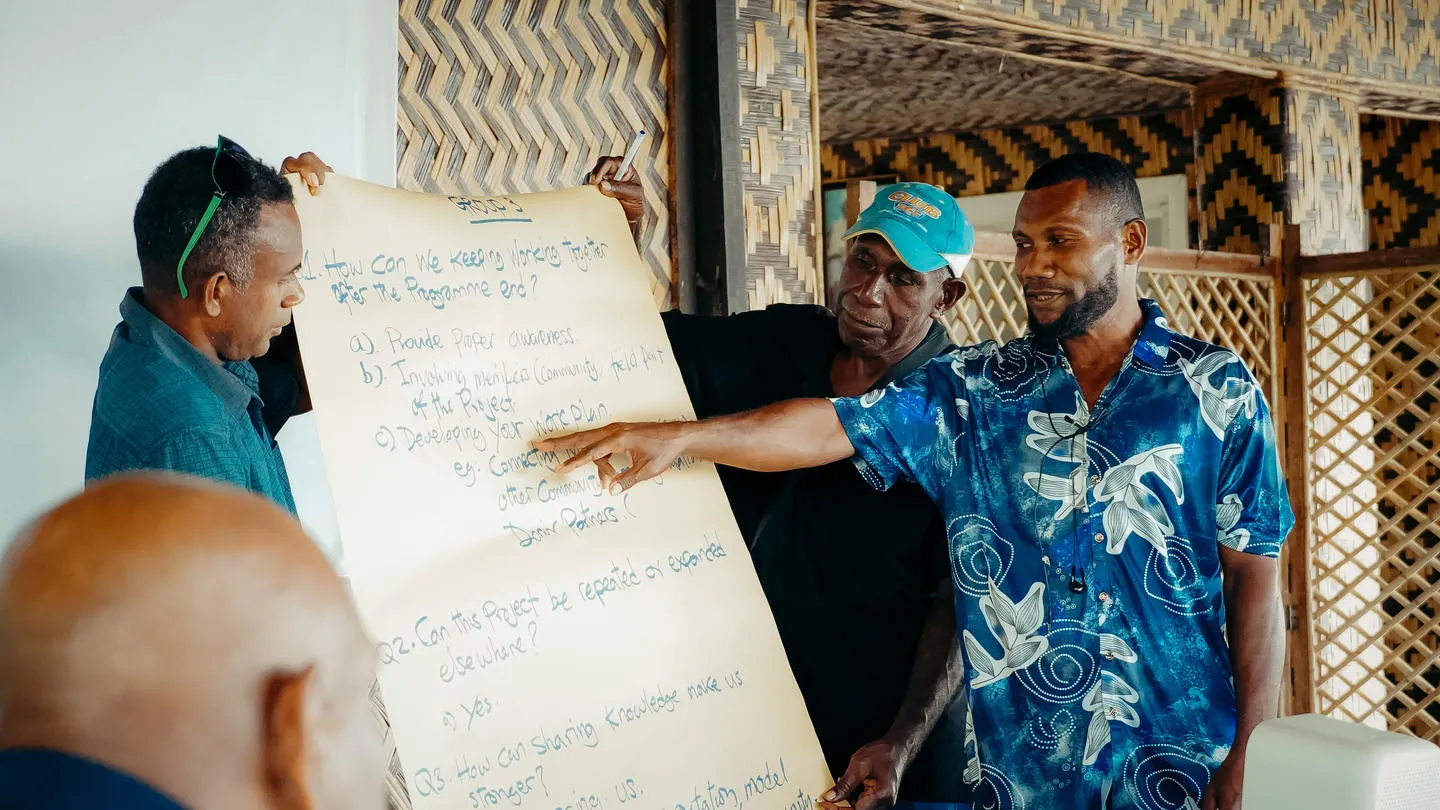
Participants from the Vanuatu Fisheries Department, who are playing a key role in the implementation of the Crew Labour Standards. Photo: FFA
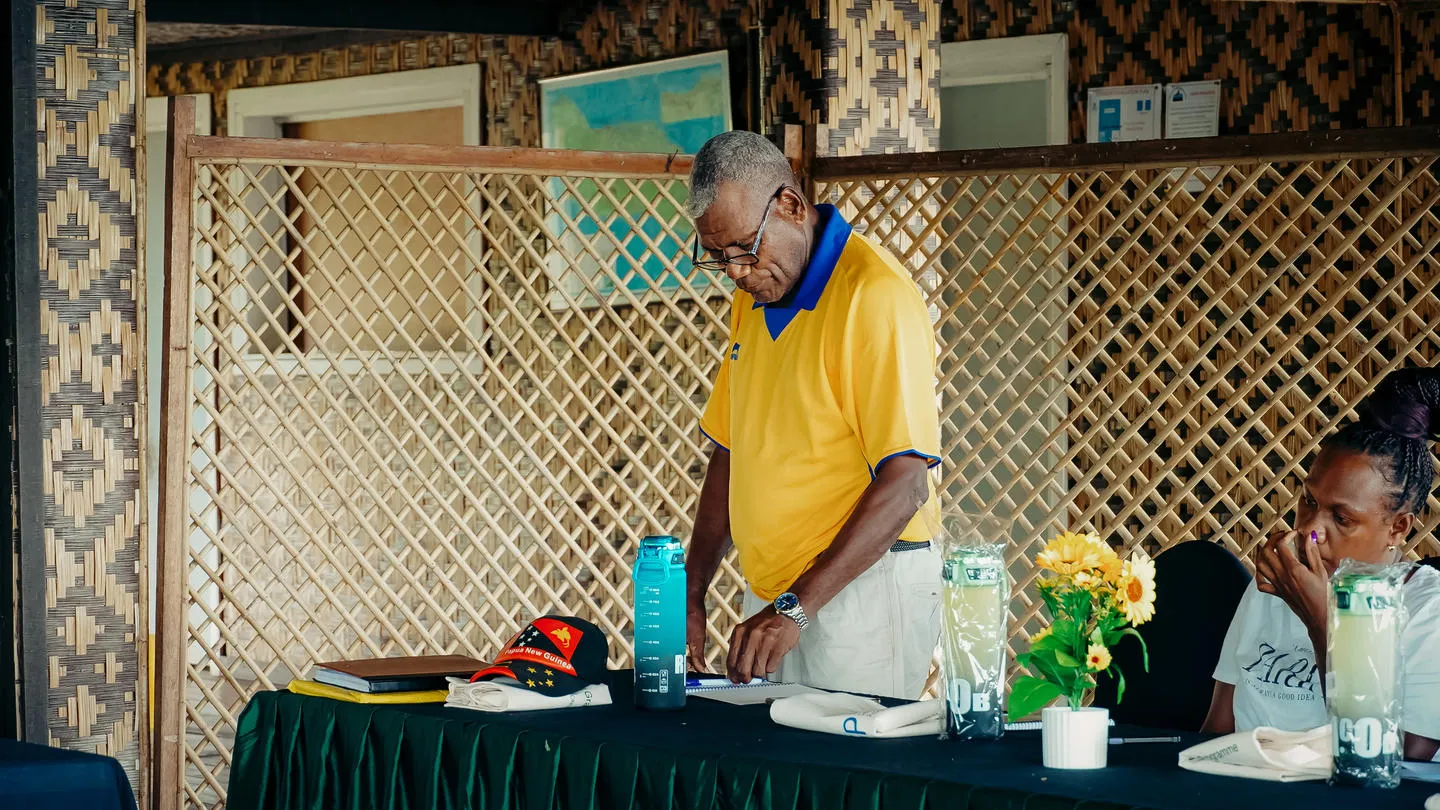
Local fishing agent and industry representative, Wesley Obet. Photo: FFA
Participants reviewed Vanuatu’s existing arrangements, identified possible gaps and discussed the legal, policy and operational changes that may be required.
In November 2025, FFA signed an MOU with the International Labour Organisation (ILO) to work together through contracts and agreements to combine resources, expertise and training materials to support FFA Members in their preparation for the Crew Labour Standards.
The workshop also included ILO representatives who joined virtually to present on the UN ILO conventions that relate to the protections of fishers.
Following the consultation, participants agreed that the Vanuatu Fisheries Department will play a leading role in coordinating continued discussions with the national agencies and stakeholders responsible for different parts of implementation.
As part of the Vanuatu workshop outcomes, participants agreed to a revised Vanuatu National Crewing Policy, a national crewing policy implementation plan and considered the best option to domesticate CMM 2024-24 by license conditions and then by regulations into Vanuatu’s national laws.
The workshop outcome also recommends Vanuatu considers ratifying the ILO Working in Fishing Convention 2007 (C188).
FFA is supporting similar consultations across its membership as Pacific countries and territories prepare for the new standards. The workshops help Members clarify agency responsibilities, review their national systems and plan the changes required before the measure takes effect.
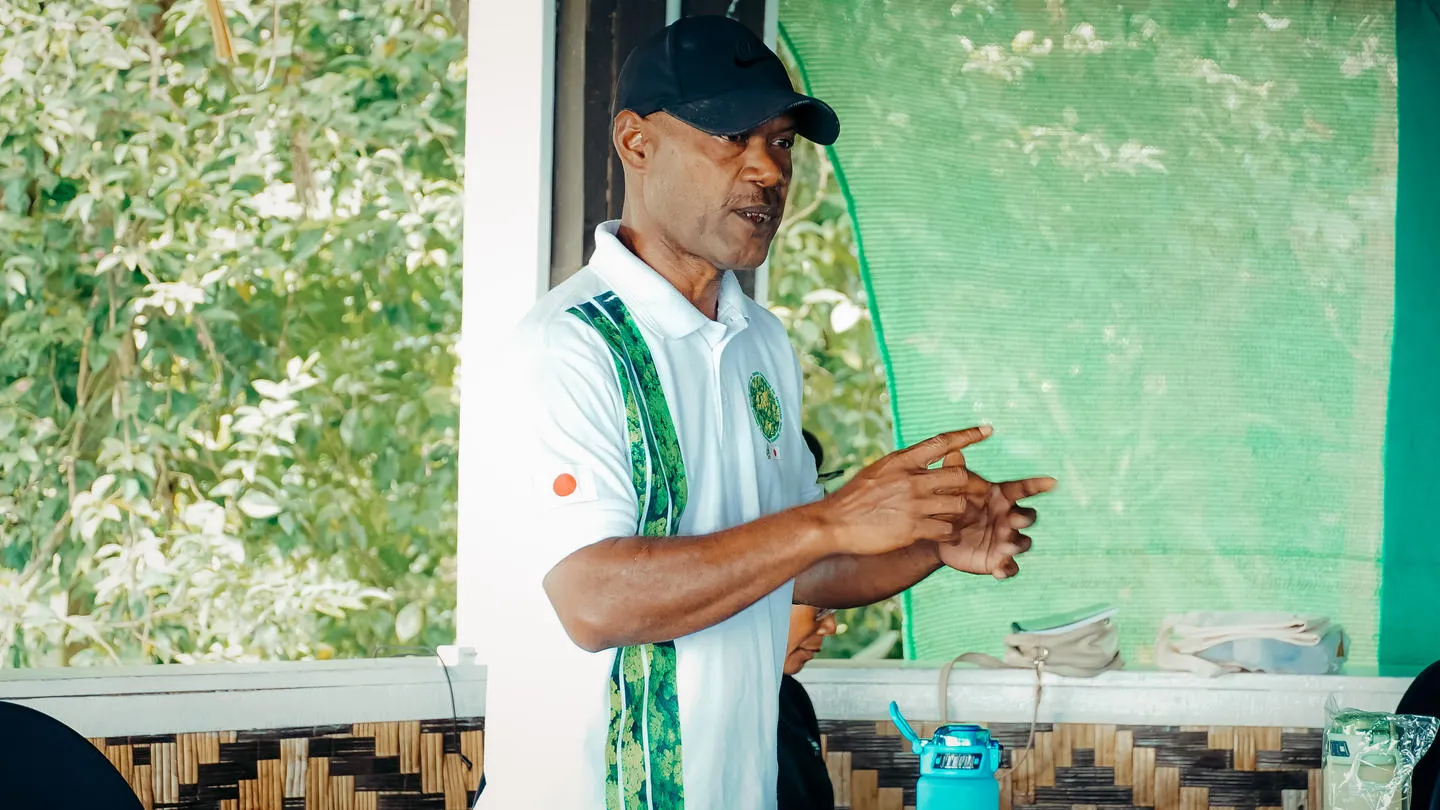
“The different Members are at different levels of implementation, but all the Members have shown keen interest to implement CMM 2024-04 well before it comes into force,” said Isala Tito Isala, FFA’s Labour Standards Advisor.
FFA Labour Standards Advisor, Isala Tito Isala. Photo: FFA
“The Vanuatu workshop participants understand that protecting our fishers and sustaining our tuna go hand in hand. If we look after the people who catch the fish, we also manage our tuna resources properly.”
The WCPFC adopted CMM 2024-04 at its 21st Annual Regular Session in Suva, Fiji in December 2024, following sustained advocacy by FFA Members.
It was the first comprehensive and binding measure on fishing vessel crew labour standards adopted by a regional fisheries management organisation. The measure sets minimum requirements covering written employment agreements, pay, safe working and living conditions, medical care, rest, access to identity documents and protection from forced labour, abuse and mistreatment.
It also sets responsibilities for responding when crew members suffer serious illness or injury, go missing at sea or report mistreatment.
Through national consultations and technical advice, FFA is helping Members identify gaps and prepare practical steps for implementation. This involves coordination among agencies responsible for fisheries, labour, maritime affairs, health, immigration, law enforcement and vessel registration.
With less than 500 days remaining until CMM 2024-04 takes effect, the Vanuatu consultation marks another step towards fair treatment, safer working conditions and stronger protection for fishing crew across the Pacific.
PORT VILA, 27 AUGUST 2026
瓦努阿图的渔业当局和利益相关者正在审查区域和国际人权及劳动标准,研究实施保护渔船船员的新标准所需的国家变更。
瓦努阿图的渔业当局和利益相关者正在审查相关的区域和国际人权标准,并检查实施保护渔船船员的新标准所需的国家变更。
太平洋岛国论坛渔业机构(FFA)支持于2026年8月25日至27日在维拉港举行为期三天的国家利益相关者咨询会议。瓦努阿图渔业部作为主要国家机构参与了此次会议,将负责领导和协调瓦努阿图的船员劳动标准工作。
此次研讨会重点关注FFA统一最低条款和条件(HMTCs)以及西部和中部太平洋渔业委员会(WCPFC)具有里程碑意义的船员劳动标准保护措施,即CMM 2024-04,该措施将于2028年1月1日生效。
瓦努阿图渔业部离岸渔业副主任托尼·塔莱奥(Tony Taleo)表示,此次研讨会对国家的法律、经济和社会利益至关重要。
“作为一个拥有重要海洋领域和活跃国际船舶登记的太平洋岛国,瓦努阿图参与并与这些区域劳动标准保持一致,直接影响其主权、声誉和劳动力保护,”塔莱奥先生说。
“对于瓦努阿图而言,FFA关于WCPFC劳动标准的研讨会不仅仅是一个监管形式;它是一个战略必要。它为国家提供了保护脆弱渔船船员的工具,填补海事劳动执法中的法律漏洞,维护其国际承诺,并保障其蓝色经济的长期可持续性和声誉。”
此次咨询会议汇聚了来自渔业、海事、警察和卫生当局的10名参与者,以及来自渔业行业的代表。
瓦努阿图卫生部长罗伯特·博恩(Hon. Robert Bohn)也是参与此次咨询的国家当局和利益相关者之一。
当地渔业代理人和行业代表,韦斯利·奥贝特(Wesley Obet)。照片:FFA
与会者回顾了瓦努阿图现有的安排,识别出可能的缺口,并讨论了可能需要的法律、政策和操作变更。
在2025年11月,FFA与国际劳工组织(ILO)签署了一份谅解备忘录(MOU),共同通过合同和协议整合资源、专业知识和培训材料,以支持FFA成员为船员劳动标准的准备工作。
研讨会还包括ILO代表,他们通过虚拟方式参与,介绍与渔民保护相关的联合国ILO公约。
在咨询结束后,与会者一致同意,瓦努阿图渔业部将在协调与负责实施不同部分的国家机构和利益相关者的持续讨论中发挥主导作用。
作为瓦努阿图研讨会成果的一部分,与会者同意修订瓦努阿图国家船员政策、国家船员政策实施计划,并考虑通过许可条件和随后通过法规将CMM 2024-24纳入瓦努阿图的国家法律。
研讨会成果还建议瓦努阿图考虑批准ILO 2007年《渔业工作公约》(C188)。
FFA正在支持其成员之间进行类似的咨询,以帮助太平洋国家和地区为新标准做好准备。这些研讨会帮助成员明确机构职责,审查国家系统,并规划在措施生效前所需的变更。
“不同的成员在实施方面处于不同的水平,但所有成员都表现出强烈的兴趣,希望在CMM 2024-04生效之前就能很好地实施它,”FFA劳动标准顾问伊萨拉·蒂托·伊萨拉(Isala Tito Isala)表示。
FFA劳动标准顾问伊萨拉·蒂托·伊萨拉。照片:FFA
“瓦努阿图研讨会的参与者明白,保护我们的渔民和可持续管理我们的金枪鱼是密不可分的。如果我们照顾好捕捞鱼类的人,我们也能妥善管理我们的金枪鱼资源。”
WCPFC在2024年12月于斐济苏瓦举行的第21届年度例行会议上通过了CMM 2024-04,此前FFA成员进行了持续的倡导。
这是区域渔业管理组织通过的首个全面且具有约束力的渔船船员劳动标准措施。该措施设定了最低要求,包括书面雇佣协议、薪酬、安全的工作和生活条件、医疗护理、休息、获取身份证明文件的权利,以及对强迫劳动、虐待和不当对待的保护。
该措施还规定了在船员遭受严重疾病或受伤、在海上失踪或报告遭受虐待时的响应责任。
通过国家咨询和技术建议,FFA(太平洋渔业协会)正在帮助成员国识别差距,并为实施准备实际步骤。这涉及到负责渔业、劳动、海事事务、健康、移民、执法和船舶注册的机构之间的协调。
距离 CMM 2024-04 生效还有不到 500 天,瓦努阿图的咨询标志着向太平洋地区渔船船员实现公平对待、更安全的工作条件和更强保护的又一步。
PORT VILA,2026年8月27日
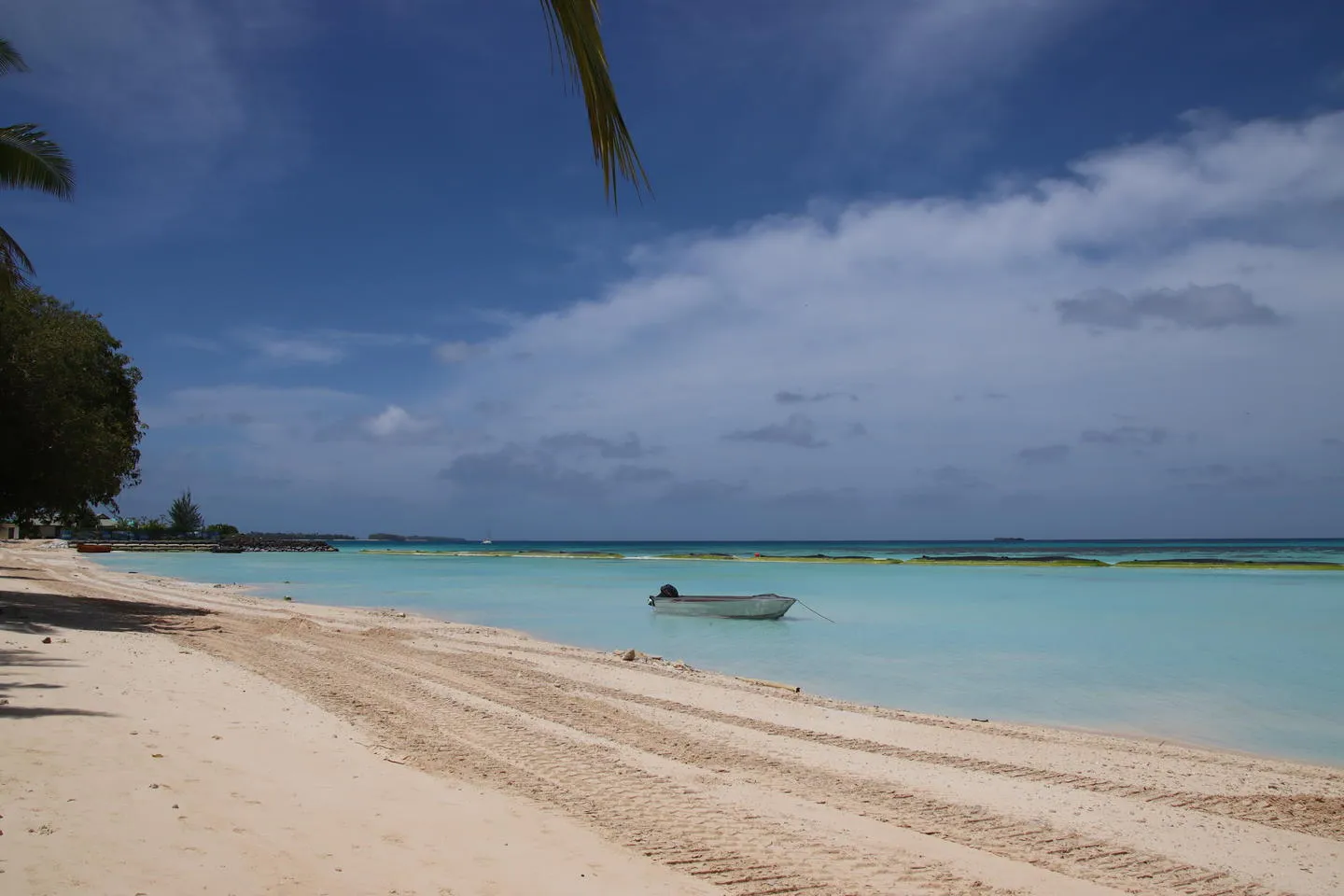
On the narrow atoll of Funafala, on the southern side of Funafuti, the capital of Tuvalu, Miliama watched the shoreline change.
As a child, the lagoon felt wide and playful – a place where children ran barefoot along the white sandy beach and where the rhythms of the ocean brought comfort rather than uncertainty. Today, the tides reach further inland. The sea swallows parts of the shore that once felt safe. Saltwater seeps into the land. The ground beneath feels less stable with each passing year.
But she remained. Because for Miliama, land was never just physical space. It was identity, belonging, and kinship.
In the Pacific, climate adaptation is not only about safeguarding infrastructure or managing environmental and economic risk. It is about protecting the relational bonds between people, land, ancestors, and future generations. Cultural continuity is not an afterthought, it is a key metric of development.
The question is no longer whether culturally-grounded climate adaptation can be done – but whether the international system can support solutions at the speed and scale required.
Understanding climate change from a Pasifika relational perspective
Life is inherently relational. Human wellbeing is inseparable from the wellbeing of the planet and the cosmos. There is no distinction between the physical and the spiritual worlds – the spiritual manifests in physical practices of rituals, protocols, and community governance.
In the fenua-based understanding of place, land is not just land, it is ocean, skies, people, ancestors, and spirit – all in mutual belonging, as kin. The fenua is boundless, in time and space, extending to include the past (ancestors) and the future (future generations) as the present can only find meaning when it is defined within the past and the future. Vaa fesokotaki (relational bonds) hold these together in sacred balance.
Protecting the fenua and vaa fesokotaki is a core part of cultural security: the protection of traditional knowledge systems, customary land tenure, governance structures, and Pacific people’s sacred connection to land and sea.
Climate change, such as rising seas, coastal erosion and extreme weather events, harm the fenua by disrupting relational bonds and severing continuity between past, present and future. For indigenous Tuvaluan's this looks like saltwater bubbling up from the ground during king tides making it hard to grow the traditional crops that have nourished communities for generations, or the deterioration of coral reefs impacting communities cultural fishing grounds.
In this context, climate action is an act of relational care. People have a sacred responsibility to protect the fenua and the vaa fesokotaki. Within this worldview, cultural security is not separate from environmental protection. It emerges from maintaining relationships – between people and place, between present and future generations, and between cultural identity and physical territory.
Climate adaptation as cultural continuity
Pasifika relational worldviews fundamentally reshape what climate adaptation is, what it protects, and how success should be measured.
Nowhere is this more apparent than in Tuvalu.
Tuvalu sits, on average, less than two metres above sea level, and Tuvalu's entire population of around 11,500 people live within one kilometre of the ocean. Rising seas, coastal erosion, recurrent king tides, and extreme weather events are not just theoretical projections. They are felt realities.
According to technical modelling undertaken by UNDP in Tuvalu, and consistent with IPCC sea-level rise scenarios, nearly half of the land area of the capital of Funafuti will become routinely inundated during normal monthly high tides by 2050 to 2060. By 2100, less than 10 percent of the land area will remain above the reach of annual high spring tide events.
In this context, adaptation is both a future consideration and a present necessity for survival – of all life systems and the vaa fesokotaki that connect them.
To meet this need, The Government of Tuvalu and UNDP are working together to build creative, transformational and holistic adaptation solutions based on the scientific evidence and local context. The Tuvalu Coastal Adaptation Project (TCAP) is one of those solutions. Funded by the GCF and the governments of Tuvalu, Australia and New Zealand, and implemented by UNDP, TCAP Phase 1 was completed in 2025.
Across Fogafale and the outer islands of Nanumea and Nanumaga, the project has strengthened nearly 2.9 kilometres of vulnerable shoreline and created over 7.3 hectares of reclaimed, elevated land in Funafuti, providing safe space for communities and future development.
This is not incremental adaptation. It is adaptation at the scale of survival.
TCAP brings together infrastructure, planning, and capacity. More than 200 national stakeholders have been trained in coastal management, while risk-informed planning tools such as the LiDAR data and risk and hazard platforms are guiding long-term decision-making.
Reflecting the Pasifika principle of mutual contradictions, these interventions are informed by both scientific evidence and Indigenous knowledge. Berm-top barriers constructed from sand-filled geotextile bags are covered with soil and planted with vegetation, allowing them to become part of the natural environment. Meanwhile, coral nurseries have been established to rehabilitate reef ecosystems and strengthen natural coastal protection. The elders’ knowledge of seasons, currents and plant species is critical to success.
The next phases of TCAP are already underway and will protect approximately 1,170 meters of coastline and deliver an additional 13.6 hectares of raised land designed to remain above future sea levels.
TCAP demonstrates what climate adaptation requires in small island states: scale, coordination, and sustained investment.
This is about more than just infrastructure. It is about ensuring that communities can remain in their ancestral lands – retaining connection to land, culture, and identity, while creating the conditions for future generations to stay. In doing so, it is an important step in building cultural security.
But in Tuvalu, adaptation is also inseparable from questions of sovereignty. TCAP supports national security through safeguarding the physical territory upon which statehood is currently recognised under international law. This goes hand in hand with The Government of Tuvalu’s advocacy for the formal recognition of statehood irrespective of the existence of physical territory and is aligned with the Pacific’s Declaration on the Continuity of Statehood and the Protection of Persons in the Face of Climate Change-Related Sea-Level Rise.
An invitation for the global community
The Pacific is not short on solutions. TCAP is proof that with the right partnerships, investment and drive the continuity of a nation can be safeguarded – in terms of both cultural and national security.
What the region faces is a gap between climate finance needs and climate finance flows, between ambition and implementation. Closing that gap requires more than just projects. It requires systems that connect finance to policy, and policy to delivery that is grounded in local realities and wisdom, and capable of operating at scale. Indigenous knowledge must be integrated and embraced as a critical part of policy design.
COP31 is an important opportunity for world leaders to come together and commit to climate adaptation at scale across the Pacific. At the same time, topics such as compensation for non-economic loss and damage and continuity of statehood despite loss of territory must also be on the agenda.
But above all, climate action requires the spirit of alofa (love), aava (respect), and tiute (responsibility). Pre-COP in Fiji and Tuvalu in October this year is an invitation for the global community to engage in climate dialogue, consensus and action through the Pacific Way.
The TCAP project has received funding from the GCF and the governments of Tuvalu, Australia, New Zealand, and the United States.
Miliama Lupe was a respected Tuvaluan elder from Funafala who passed away earlier this year. We pay our deepest respects to Miliama and all the Pacific ancestors who have nurtured the land across generations.
This blog is co-authored between Rev. Dr. Taufe M Lusama who is a theologian with a deep sense for climate justice from the Ekalesia Kelisiano Tuvalu, serving as the Director of the Institute for Climate Indigenous Knowledge within the Pasifika Communities University, an ecumenical educational institution based in Suva, Fiji, and Aquila Van Keuk, UNDP Pacific Office Policy, Innovation and Partnerships Analyst.
在图瓦卢首都富纳富提南侧的狭窄环礁富纳法拉,米利亚玛目睹了海岸线的变化。
作为一个孩子,泻湖显得宽广而充满玩乐——这是一个孩子们赤脚在白色沙滩上奔跑的地方,海洋的节奏带来的是安慰而非不确定。如今,潮水向内陆涌得更远。大海吞没了曾经感觉安全的海岸部分。咸水渗入土地。随着每年的流逝,脚下的土地感觉越来越不稳定。
但她依然留在这里。因为对米利亚玛来说,土地从来不仅仅是物理空间。它是身份、归属和亲情。
在太平洋地区,气候适应不仅仅是保护基础设施或管理环境和经济风险。它还关乎保护人与土地、祖先和未来世代之间的关系纽带。文化延续不是事后考虑,而是发展的关键指标。
问题不再是文化根植的气候适应是否可行,而是国际体系是否能够支持所需速度和规模的解决方案。
从帕西菲卡关系视角理解气候变化
生活本质上是关系性的。人类的福祉与地球和宇宙的福祉是不可分割的。物质世界与精神世界之间没有区别——精神在仪式、协议和社区治理的物质实践中显现。
在基于fenua(土地)的地方理解中,土地不仅仅是土地,它是海洋、天空、人民、祖先和精神——所有这些都在相互归属中,作为亲属。fenua是无边界的,在时间和空间上延伸,涵盖过去(祖先)和未来(未来世代),因为当下只有在过去和未来的定义中才能找到意义。vaa fesokotaki(关系纽带)将这些保持在神圣的平衡中。
保护fenua和vaa fesokotaki是文化安全的核心部分:保护传统知识体系、习惯性土地使用权、治理结构,以及太平洋人民与土地和海洋的神圣联系。
气候变化,如海平面上升、海岸侵蚀和极端天气事件,破坏了fenua(土地),扰乱了人与人之间的关系纽带,切断了过去、现在和未来之间的连续性。对于土著图瓦卢人来说,这表现为在大潮期间,盐水从地面冒出,使得种植世代以来滋养社区的传统作物变得困难,或者珊瑚礁的恶化影响了社区的文化捕鱼场。
在这种背景下,气候行动是一种关系关怀的表现。人们有神圣的责任去保护fenua和vaa fesokotaki。在这种世界观中,文化安全与环境保护并不是分开的,它源于维持关系——人与地方之间、现在与未来世代之间,以及文化身份与物理领土之间的关系。
气候适应作为文化连续性
太平洋地区的关系世界观从根本上重塑了气候适应的定义、保护的内容以及成功的衡量标准。
在图瓦卢,这一点表现得尤为明显。
图瓦卢的平均海拔不到两米,约11,500人的整个居民都生活在离海洋一公里以内。海平面上升、海岸侵蚀、反复的大潮和极端天气事件不仅仅是理论预测,而是切实的现实。
根据联合国开发计划署(UNDP)在图瓦卢进行的技术建模,并与气候变化政府间专门委员会(IPCC)海平面上升情景一致,到2050年至2060年,首都富纳富提(Funafuti)近一半的土地将在正常的每月高潮期间经常被淹没。到2100年,只有不到10%的土地将保持在年度高潮潮汐事件的影响范围之外。
在这种背景下,适应既是对未来的考虑,也是生存的当务之急——对于所有生命系统以及连接它们的vaa fesokotaki。
为了满足这一需求,图瓦卢政府与联合国开发计划署(UNDP)共同努力,基于科学证据和当地背景,建立创造性、变革性和整体性的适应解决方案。图瓦卢沿海适应项目(TCAP)就是其中之一。该项目由绿色气候基金(GCF)以及图瓦卢、澳大利亚和新西兰政府资助,由UNDP实施,TCAP第一阶段预计在2025年完成。
在福加法莱及外岛纳努梅亚和纳努马加,该项目加强了近2.9公里的脆弱海岸线,并在富纳富提创造了超过7.3公顷的填海抬高土地,为社区和未来发展提供了安全空间。
这不是渐进式的适应,而是生存规模的适应。
TCAP(气候适应项目)结合了基础设施、规划和能力建设。已有超过200名国家利益相关者接受了海岸管理培训,同时,基于风险的规划工具如LiDAR数据和风险与危害平台正在指导长期决策。
这些干预措施反映了太平洋地区互相矛盾的原则,既受到科学证据的启发,也融合了土著知识。用沙子填充的土工布袋构建的堤坝顶部覆盖土壤并种植植被,使其成为自然环境的一部分。同时,珊瑚苗圃已建立,以恢复珊瑚礁生态系统并增强自然海岸保护。长者对季节、潮流和植物种类的知识对成功至关重要。
TCAP的下一阶段已经开始,将保护约1,170米的海岸线,并提供额外13.6公顷的抬高土地,旨在保持在未来海平面之上。
TCAP展示了小岛屿国家在气候适应方面所需的规模、协调和持续投资。
这不仅仅关乎基础设施。它关乎确保社区能够留在他们的祖传土地上,保持与土地、文化和身份的联系,同时为未来几代人创造留存的条件。这样做是建立文化安全的重要一步。
但在图瓦卢,适应也与主权问题密不可分。TCAP通过保护国家在国际法下被承认的物理领土来支持国家安全。这与图瓦卢政府倡导的无论物理领土是否存在都应正式承认国家地位的主张相辅相成,并与太平洋地区关于国家地位连续性和在气候变化相关海平面上升面前保护个人的宣言相一致。
向全球社区发出邀请
太平洋地区并不缺乏解决方案。TCAP(气候适应伙伴关系)证明了在正确的合作伙伴关系、投资和推动下,一个国家的连续性可以得到保障——无论是在文化还是国家安全方面。
该地区面临的挑战是气候融资需求与气候融资流动之间的差距,以及雄心与实施之间的差距。弥合这一差距不仅仅需要项目。它需要将融资与政策连接起来的系统,以及将政策与基于地方现实和智慧的交付连接起来的系统,并能够在大规模运作。土著知识必须被整合并视为政策设计的关键部分。
COP31(第31届缔约方会议)是世界领导人聚集在一起并承诺在太平洋地区大规模进行气候适应的重要机会。同时,非经济损失和损害的赔偿以及尽管失去领土仍能保持国家身份等议题也必须列入议程。
但最重要的是,气候行动需要alofa(爱)、aava(尊重)和tiute(责任)的精神。今年10月在斐济和图瓦卢举行的预COP会议是全球社区通过太平洋方式参与气候对话、达成共识和采取行动的邀请。
TCAP项目已获得GCF(绿色气候基金)以及图瓦卢、澳大利亚、新西兰和美国政府的资助。
Miliama Lupe是来自富纳法拉的受人尊敬的图瓦卢长者,今年早些时候去世。我们向Miliama以及所有滋养这片土地的太平洋祖先致以最深切的敬意。
本博客由Taufe M Lusama牧师博士和Aquila Van Keuk共同撰写。Taufe M Lusama是来自图瓦卢基督教会的神学家,深具气候正义意识,担任太平洋社区大学气候土著知识研究所主任,该校是一所位于斐济苏瓦的生态教育机构;Aquila Van Keuk是联合国开发计划署太平洋办公室政策、创新与合作分析师。
所罗门港务局深入了解港口运营和发展
所罗门港务局深入了解港口运营和发展
The Prime Minister of Solomon Islands, Honourable Matthew Cooper Wale, visited the Pacific Islands Forum Fisheries Agency (FFA) yesterday afternoon, including the Regional Fisheries Surveillance Centre (RFSC), ahead of the 55th Pacific Islands Leaders Meeting in Palau.
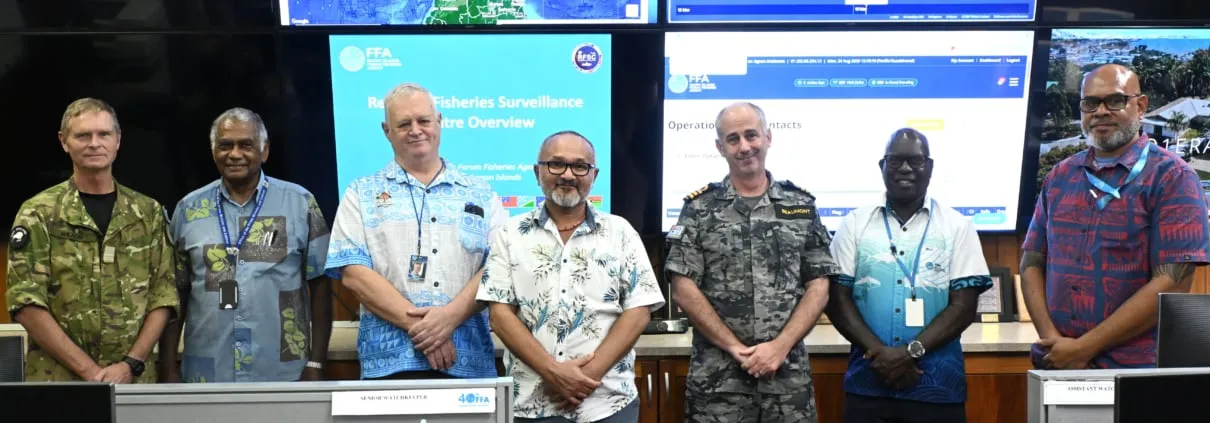
Prime Minister Wale met with FFA’s Officer-in-Charge and Fisheries Development Director, Dr Chris Reid, before touring the Centre and hearing more about the work taking place to support Solomon Islands and FFA’s other 16 Members.
Prime Minister Hon. Matthew Wale with the FFA Officer-in-Charge and Director of Fisheries Development, Dr Chris Reid, during the visit on Monday. Photo: FFA
The visit gave Prime Minister Wale an opportunity to see first-hand how the Centre works and how regional fisheries surveillance and intelligence support Solomon Islands and FFA’s Members.
He was given a closer look at how the region keeps track of fishing activity across the vast Pacific – bringing together vessel monitoring, satellite information, aerial surveillance, intelligence and information from national authorities and regional partners.
FFA Surveillance Operations Officer Yohni Fepuleai briefing the Solomon Islands Prime Minister on the roles and functions of the RFSC. Photo: FFA
For Solomon Islands, the Centre provides an important regional layer of support. Information gathered through the system can help identify vessels of interest, check whether they are licensed and operating within the rules, and support national authorities when further action is needed.
The discussion also covered some of the challenges facing fisheries enforcement and response to illegal, unreported and unregulated (IUU) fishing and transnational maritime crime, including priority areas of
Prime Minister Hon. Matthew Wale and Secretary to the Prime Minister, Dr Sir Jimmie Rogers at the FFA briefing. Photo: FFA
profiling vessel compliance performance and beneficial ownership, captains behind vessels and the importance of accurate reporting.
But the conversation was not only about surveillance and enforcement. FFA’s broader role is to help Pacific Island countries sustainably manage one of the region’s most valuable resources and get greater economic benefit from their fisheries.
With such a vast ocean to cover, no country can do this alone. The strength of the region’s fisheries work comes from countries sharing information, expertise and resources and working together
Prime Minister Wale, who is the current Chair of the Pacific Islands Forum (PIF), is expected to deliver the keynote address at FFA’s side event on the sidelines of the 55th PIF Leaders Meeting in Palau, from 30 August to 5 September.
The FFA side event, scheduled for 31 August from 4pm – 5pm at the Ngarachamayong Culture Centre in Koror, will focus on the role of the RFSC under the theme: Securing Our Blue Pacific: Integrated Monitoring, Control and Surveillance (MCS) and the Future of the Regional Fisheries Surveillance Centre (RFSC).
HONIARA, 25 AUGUST 2026
所罗门群岛总理马修·库珀·韦尔(Honourable Matthew Cooper Wale)于昨日下午访问了太平洋岛国论坛渔业机构(FFA),包括区域渔业监测中心(RFSC),此次访问是在即将召开的第55届太平洋岛国领导人会议前进行的。
韦尔总理在参观中心之前,与FFA负责人及渔业发展主任克里斯·里德博士(Dr Chris Reid)进行了会面,了解了支持所罗门群岛及FFA其他16个成员国的工作。
韦尔总理与FFA负责人及渔业发展主任克里斯·里德博士在周一访问期间合影。照片来源:FFA
此次访问让韦尔总理有机会亲自了解中心的运作方式,以及区域渔业监测和情报如何支持所罗门群岛及FFA的成员国。
他详细了解了该地区如何追踪广阔太平洋中的渔业活动,包括船只监测、卫星信息、空中监视、情报以及来自国家当局和区域合作伙伴的信息。
FFA监测运营官约尼·费普莱(Yohni Fepuleai)向所罗门群岛总理介绍RFSC的角色和功能。照片来源:FFA
对于所罗门群岛而言,该中心提供了重要的区域支持层。通过该系统收集的信息可以帮助识别感兴趣的船只,检查它们是否持有许可证并在规则内运营,并在需要进一步行动时支持国家当局。
讨论还涉及渔业执法和应对非法、未报告和无管制(IUU)捕鱼及跨国海洋犯罪所面临的一些挑战,包括优先领域:
韦尔总理与总理秘书吉米·罗杰斯博士(Dr Sir Jimmie Rogers)在FFA简报会上。照片来源:FFA
船只合规表现和受益所有权、船长背景以及准确报告的重要性。
但谈话不仅限于监测和执法。FFA的更广泛角色是帮助太平洋岛国可持续管理该地区最有价值的资源之一,并从其渔业中获得更大的经济利益。
由于海洋广阔,没有任何国家能够独自完成这一任务。该地区渔业工作的力量来自各国共享信息、专业知识和资源,并共同合作。
韦尔总理目前是太平洋岛国论坛(PIF)的主席,预计将在8月30日至9月5日于帕劳举行的第55届PIF领导人会议期间的FFA侧边活动上发表主题演讲。
FFA侧边活动定于8月31日下午4点至5点在科罗尔的Ngarachamayong文化中心举行,主题为:保护我们的蓝色太平洋:综合监测、控制与监督(MCS)及区域渔业监测中心(RFSC)的未来。
霍尼亚拉,2026年8月25日
Five rural communities across Solomon Islands are better prepared to face the impacts of climate change following the successful completion of the Community-Based Adaptation (CBA) Phase III Programme, implemented through the United Nations Development Programme's (UNDP) Global Environment Facility Small Grants Programme (GEF SGP).
Funded by the Government of Australia, the programme invested US$150,000 in community-led adaptation initiatives between 2022 and 2026. The projects focused on strengthening climate resilience through nature-based solutions, sustainable livelihoods, ecosystem restoration, climate-smart agriculture, and coastal protection.
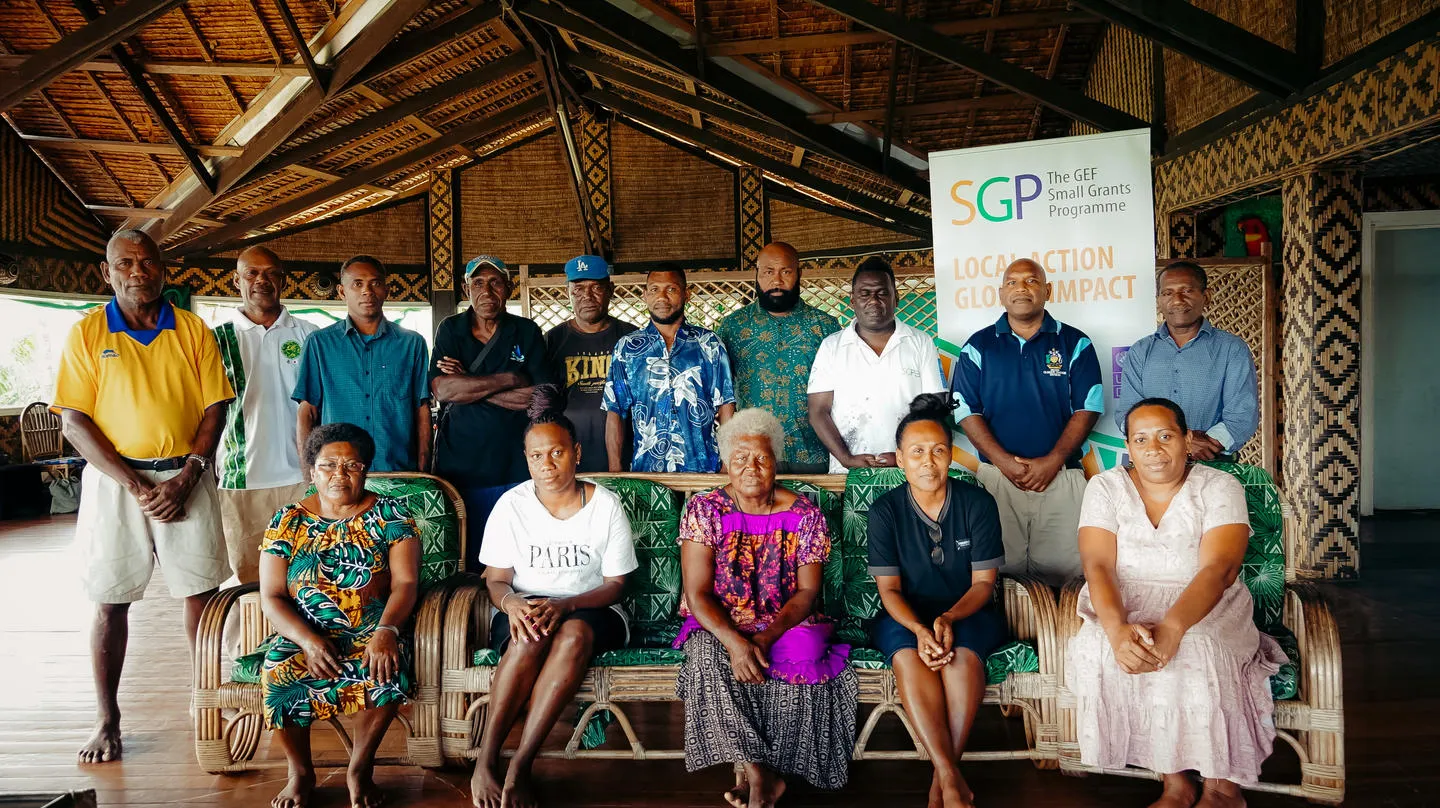
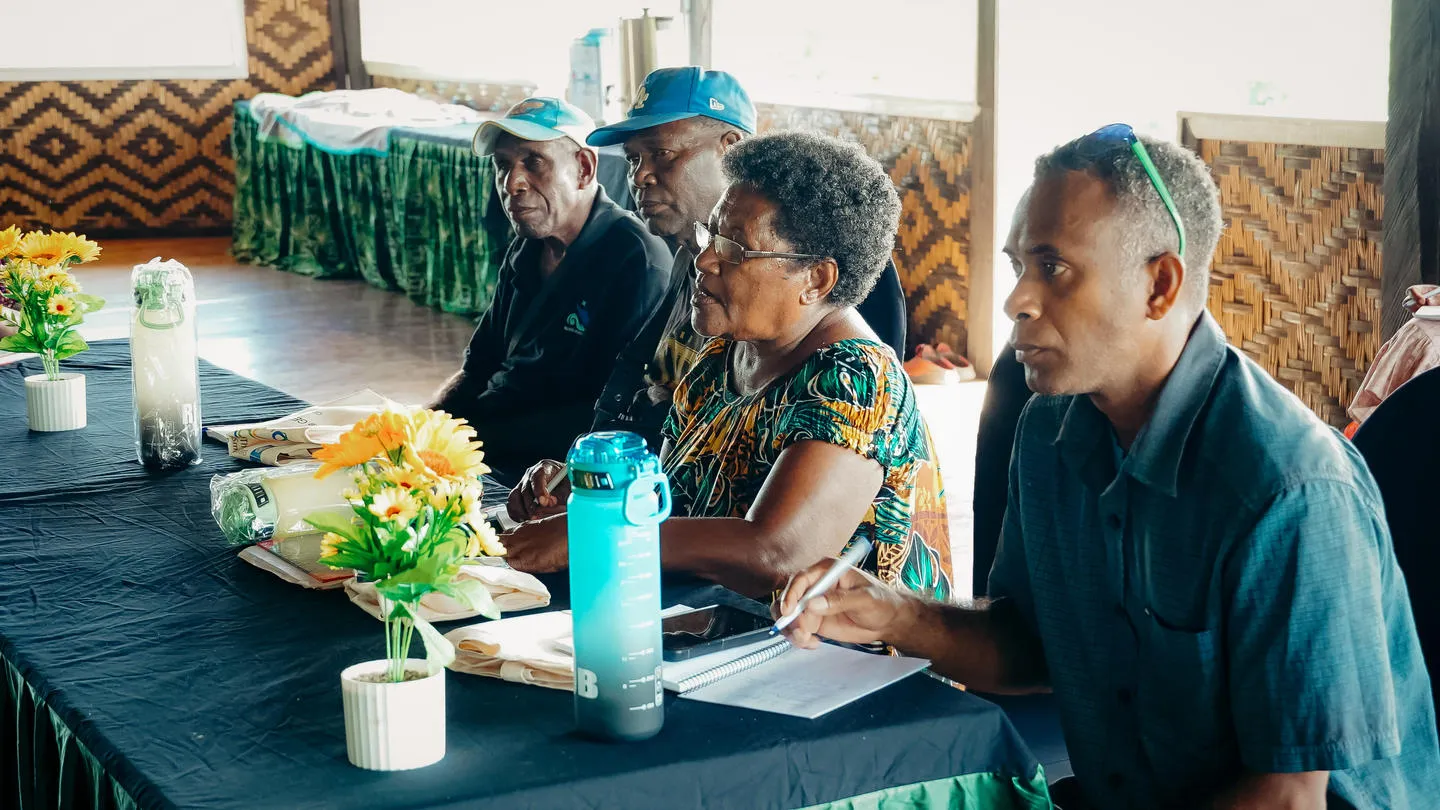
To mark the programme's completion, UNDP convened a three-day closing workshop in June 2026, bringing together representatives from the five grantee organizations, the Ministry of Environment, Climate Change, Disaster Management and Meteorology, and UNDP staff to reflect on achievements, exchange lessons learned, and explore opportunities for future collaboration.
The projects delivered tangible benefits to participating communities. In West Kwarae, Malaita Province, the Ado Rural Farmers Association expanded its agroforestry nursery, improving food security and supporting sustainable farming practices. In South Malaita, the Angouru Community Development Association rehabilitated mangrove ecosystems and established a community research and meeting centre to strengthen environmental awareness and conservation efforts.
The Kauhata Foundation Trust Board restored degraded landscapes through large-scale reforestation activities in West Are'are, while Afio Primary School implemented innovative land restoration activities that improved environmental management and created safer access for students travelling to and from school. In Marau Sound, East Guadalcanal, the Wahere Community Association constructed a seawall that now protects homes, infrastructure, and livelihoods from coastal erosion and rising sea levels.
Collectively, the projects strengthened the resilience of vulnerable rural communities while promoting the active participation of women, youth, and other underrepresented groups in climate adaptation and local decision-making processes.
Director of Environment and GEF Operational Focal Point, Thaddeus Siota, commended the grantees for their achievements and acknowledged the contribution of community-based adaptation to national development priorities.
"The results achieved through these projects show the value of investing in local solutions. Communities have demonstrated that small-scale initiatives can make a significant contribution to climate resilience, environmental conservation, and sustainable development," he said.
Speaking at the closing workshop, UNDP Solomon Islands Resilience and Climate Change Programme Specialist, Barnabas Bago, highlighted the importance of community leadership in driving sustainable development outcomes.
"These projects demonstrate that local communities are at the forefront of climate action. Through their commitment, innovation, and leadership, they have developed practical solutions that not only address climate risks but also improve livelihoods and protect natural resources for future generations," he said.
Participants at the workshop identified several key factors behind the success of the projects, including strong community ownership, local leadership, inclusive participation, and the effectiveness of nature-based adaptation approaches. They also emphasized the importance of sharing knowledge and experiences between communities to strengthen future climate resilience efforts across Solomon Islands.
The CBA Phase III Programme has demonstrated that community-driven adaptation can deliver lasting environmental, social, and economic benefits. By empowering local organizations and strengthening community capacity, the programme has provided a strong foundation for future climate action and contributed to the Solomon Islands' broader climate and sustainable development goals.
As climate-related challenges continue to affect communities across the country, the experiences and lessons generated through these projects will help inform and inspire future locally led adaptation initiatives, ensuring that communities remain at the centre of building a more resilient Solomon Islands.
五个农村社区在成功完成由联合国开发计划署(UNDP)全球环境基金小额赠款计划(GEF SGP)实施的社区基础适应(CBA)第三阶段项目后,更好地准备应对气候变化的影响。
该项目由澳大利亚政府资助,投资了15万美元用于2022年至2026年间的社区主导适应倡议。项目重点通过基于自然的解决方案、可持续生计、生态系统恢复、气候智能农业和沿海保护来增强气候韧性。
为庆祝项目的完成,UNDP于2026年6月召开了为期三天的闭幕研讨会,汇集了五个受赠组织的代表、环境、气候变化、灾害管理和气象部的工作人员以及UNDP员工,共同回顾成就、交流经验教训,并探讨未来合作的机会。
这些项目为参与社区带来了切实的好处。在马莱塔省的西夸拉埃,阿多农村农民协会扩大了其农林业苗圃,提高了粮食安全并支持可持续农业实践。在南马莱塔,安古鲁社区发展协会修复了红树林生态系统,并建立了一个社区研究和会议中心,以增强环境意识和保护工作。
卡乌哈塔基金会信托委员会通过大规模植树活动恢复了西阿雷阿雷的退化景观,而阿菲奥小学则实施了创新的土地恢复活动,改善了环境管理,并为学生往返学校提供了更安全的通道。在东瓜达尔卡纳尔的马劳湾,瓦赫雷社区协会建造了一道海堤,现已保护了房屋、基础设施和生计,免受海岸侵蚀和海平面上升的影响。
总体而言,这些项目增强了脆弱农村社区的韧性,同时促进了女性、青年和其他代表性不足群体在气候适应和地方决策过程中的积极参与。
环境和GEF运营联络点主任萨迪乌斯·西奥塔对受赠者的成就表示赞赏,并承认社区基础适应对国家发展优先事项的贡献。
“这些项目所取得的成果显示了投资地方解决方案的价值。社区已经证明,小规模的倡议可以对气候韧性、环境保护和可持续发展做出重要贡献,”他说。
在闭幕研讨会上,UNDP所罗门群岛韧性与气候变化项目专家巴拿巴斯·巴戈强调了社区领导在推动可持续发展成果中的重要性。
“这些项目表明,地方社区在气候行动中处于前沿。通过他们的承诺、创新和领导,他们开发了切实的解决方案,不仅应对气候风险,还改善了生计,保护了自然资源,为未来的世代,”他说。
研讨会的参与者确定了项目成功的几个关键因素,包括强烈的社区拥有感、地方领导、包容性参与和基于自然的适应方法的有效性。他们还强调了在社区之间分享知识和经验的重要性,以加强未来在所罗门群岛的气候韧性努力。
CBA第三阶段项目已证明,社区驱动的适应可以带来持久的环境、社会和经济效益。通过赋能地方组织和增强社区能力,该项目为未来的气候行动提供了坚实的基础,并为所罗门群岛更广泛的气候和可持续发展目标做出了贡献。
随着气候相关挑战继续影响全国各地的社区,通过这些项目产生的经验和教训将有助于指导和激励未来的地方主导适应倡议,确保社区始终处于建设更具韧性的所罗门群岛的中心。
Honiara, Solomon Islands —The Central Bank of Solomon Islands (CBSI) today
officially launched the Instant Funds Transfer (IFT) service, a new feature of the
Solomon Islands Automated Transfer System (SOLATS) that will allow customers to
send money between participating banks faster than ever before.
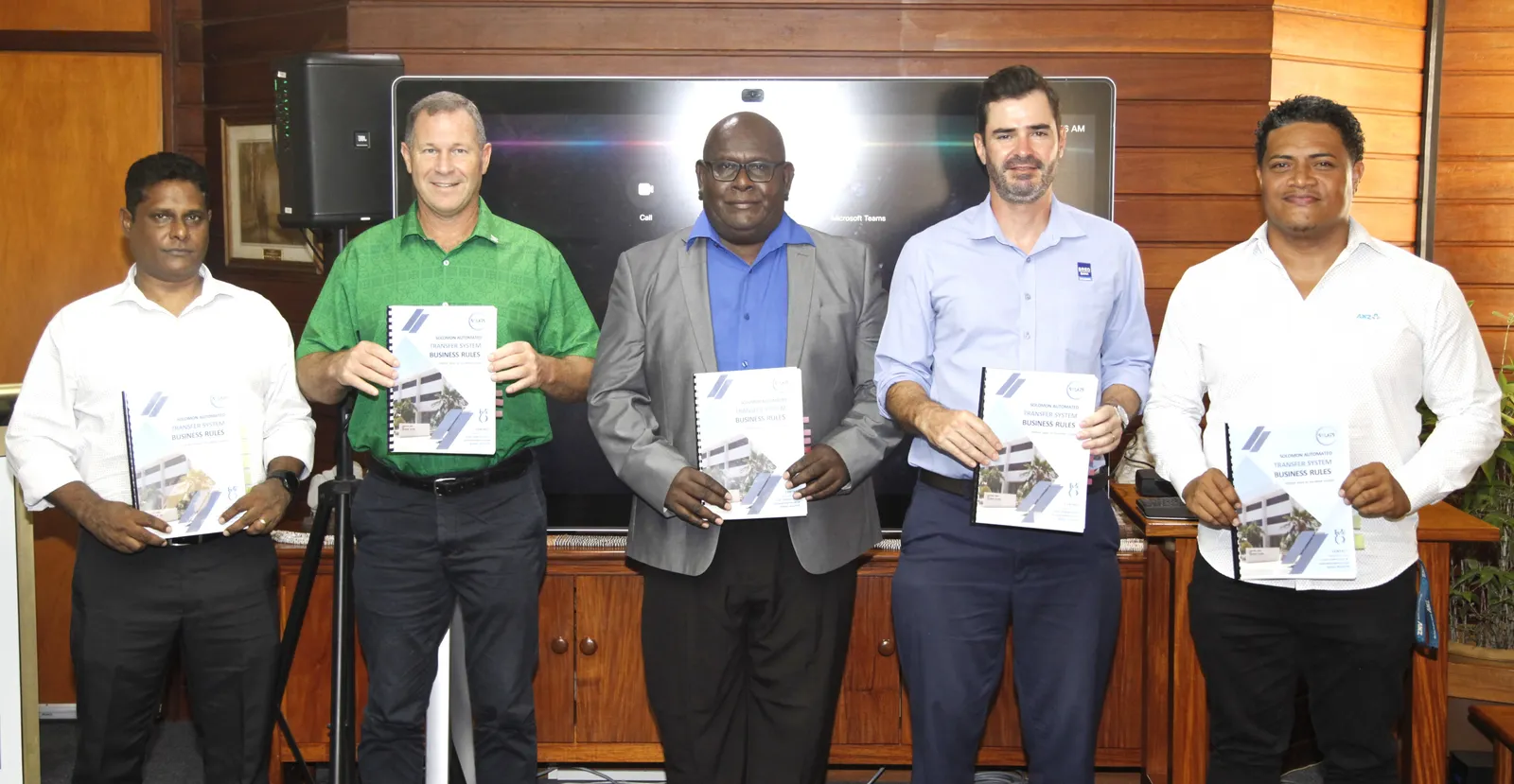
Speaking at the launch, the Deputy Governor, Raynold Moveni, said the introduction of
IFT marks an important step forward for the country's payment system and for ordinary
Solomon Islanders.
"Today is an important day for the Central Bank, our commercial banks, and most
importantly, the people of Solomon Islands," the Deputy Governor said. "This is not
simply about introducing another banking system, but about making our payment
system work better for our people."
What IFT Means for Solomon Islanders
IFT allows a customer with funds in their bank account to transfer money to someone
who banks with another participating institution, with the transfer processed much
faster than under current arrangements. This is convenient in everyday scenarios where
the service could make a real difference. For instance, a parent in Honiara sending
money to a child for school expenses, families supporting relatives in urgent need, or a
small business owner waiting on payment from a customer.
SBD5,000 Transaction Limit
To support a safe rollout, a maximum limit of SBD5,000 has been set for a single
customer IFT transaction. The Central Bank said this limit will allow it and participating
banks to monitor the system's performance, identify risks, and make improvements as
usage grows. The limit will be reviewed in future as the service develops.
Safety and Compliance Safeguard
To ensure the faster payments remain secure, the Central Bank has established the
SOLATS Business Rules, which set out how participating banks must process
transactions, handle problems, and meet their responsibilities within the system.
The Deputy Governor emphasised that participating banks must continue to meet their
Anti-Money Laundering and Countering the Financing of Terrorism (AML/CFT)
obligations, including monitoring for suspicious activity such as structuring the practice
of splitting larger payments into smaller transactions to avoid controls. The SBD5,000
limit does not reduce these responsibilities.
Supporting a Digital Economy
The CBSI noted that IFT is expected to benefit the wider Solomon Islands economy by
enabling businesses to receive payments faster, giving families more convenient ways
to pay, and reducing reliance on cash. The service also adds to the SOLATS
infrastructure connecting the country's financial institutions, laying a foundation for
future payment services and greater interoperability across the financial system.
Looking Ahead
The CBSI called on participating banks to make IFT simple, affordable, reliable, and
secure for their customers, noting that its success will ultimately be measured by
whether ordinary Solomon Islanders find it useful whether a parent can send money
more easily, a small business can be paid faster, and people can transact with greater
confidence.
Deputy Governor acknowledged the commercial banks, CBSI teams, and technology
partner Montran for their work in bringing the service to launch and formally declared
the Instant Funds Transfer module of SOLATS operational.
"Our goal is simple: faster payments, safe payments, and a payment system that works
better for the people of Solomon Islands," Deputy Governor Moveni said.
— ENDS —
For more information, contact the Central Bank of Solomon Islands (CBSI) on 21791
or Email: info@cbsi.com.sb | Website: www.cbsi.com.sb
霍尼亚拉,所罗门群岛——所罗门群岛中央银行(CBSI)今天正式推出了即时资金转账(IFT)服务,这是所罗门群岛自动转账系统(SOLATS)的新功能,允许客户在参与银行之间更快地转账。
在发布会上,副行长Raynold Moveni表示,IFT的推出标志着该国支付系统和普通所罗门群岛人民向前迈出了重要一步。
副行长说:“今天对中央银行、我们的商业银行,以及最重要的,所罗门群岛人民来说是一个重要的日子。这不仅仅是引入另一个银行系统,而是让我们的支付系统更好地为我们的人民服务。”
IFT对所罗门群岛人民的意义
IFT允许在银行账户中有资金的客户将钱转账给在另一家参与机构开户的人,转账处理速度远快于当前安排。这在日常场景中非常方便,服务可以带来真正的改变。例如,霍尼亚拉的一位家长为孩子的学费汇款、家庭支持急需帮助的亲属,或小企业主等待客户的付款。
SBD5,000交易限额
为了支持安全的推出,单个客户的IFT交易设定了最高限额为SBD5,000。中央银行表示,这一限额将允许其和参与银行监控系统的性能,识别风险,并在使用量增长时进行改进。随着服务的发展,限额将在未来进行审查。
安全与合规保障
为了确保更快的支付保持安全,中央银行建立了SOLATS业务规则,规定参与银行必须如何处理交易、处理问题以及履行其在系统中的责任。副行长强调,参与银行必须继续履行其反洗钱和打击恐怖融资(AML/CFT)义务,包括监测可疑活动,例如将较大付款拆分为较小交易以规避控制。SBD5,000的限额并不减少这些责任。
支持数字经济
CBSI指出,IFT预计将通过使企业更快地收到付款、为家庭提供更方便的支付方式以及减少对现金的依赖,从而使更广泛的所罗门群岛经济受益。该服务还增加了连接该国金融机构的SOLATS基础设施,为未来的支付服务和金融系统的更大互操作性奠定基础。
展望未来
CBSI呼吁参与银行使IFT对客户而言简单、实惠、可靠和安全,并指出其成功最终将通过普通所罗门群岛人民是否觉得它有用来衡量,无论是家长能否更轻松地汇款、小企业能否更快收到付款,以及人们能否更有信心地进行交易。
副行长感谢商业银行、CBSI团队以及技术合作伙伴Montran在推出服务方面所做的工作,并正式宣布SOLATS的即时资金转账模块投入运营。
副行长Moveni表示:“我们的目标很简单:更快的支付、安全的支付,以及一个更好地为所罗门群岛人民服务的支付系统。”
—— 结束 ——
如需更多信息,请联系所罗门群岛中央银行(CBSI),电话:21791,或发送电子邮件至:info@cbsi.com.sb | 网站:www.cbsi.com.sb
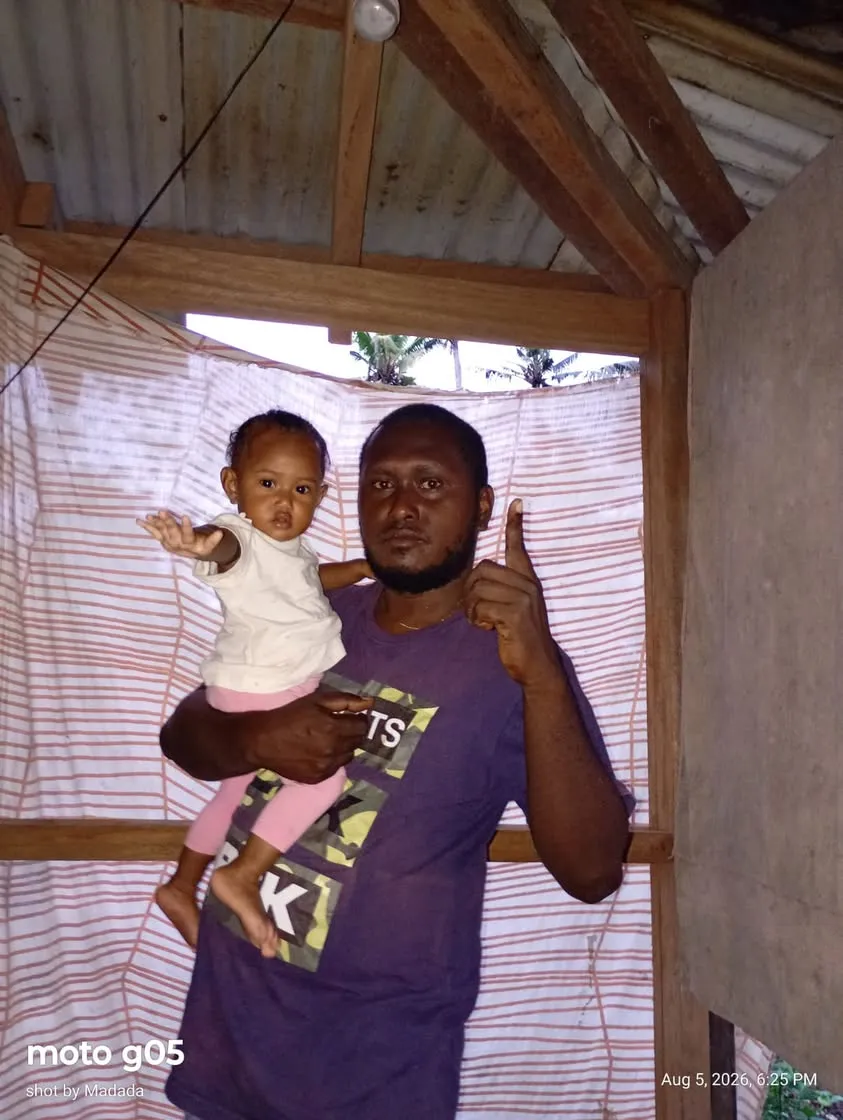
📸 SNAP AND CONNECT ❤️📱
Entry 43 | The more likes gets you to win awesome prizes.
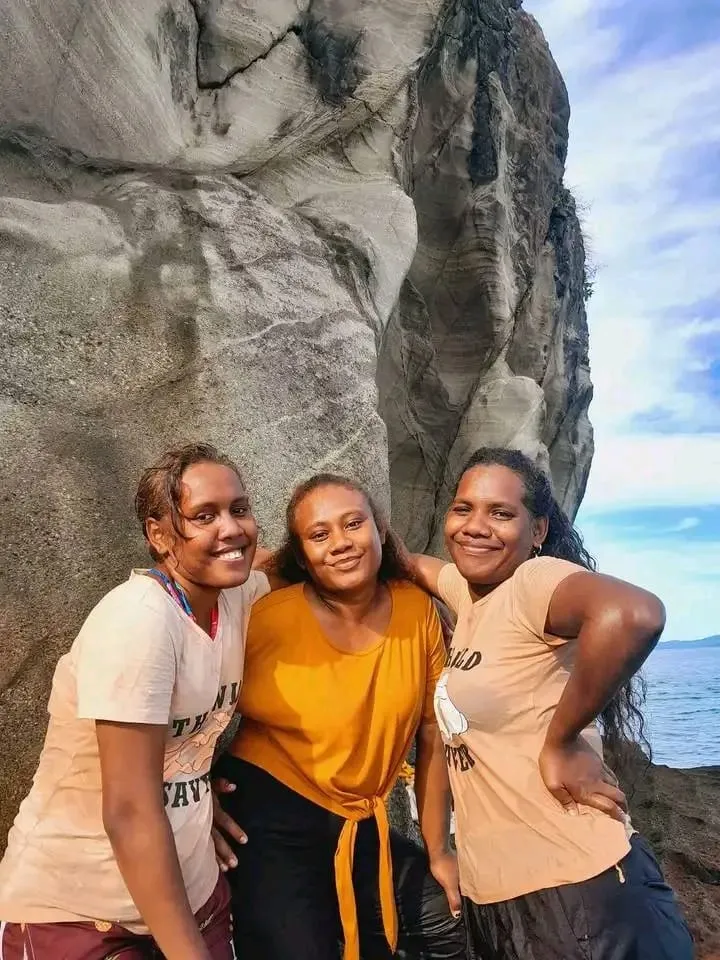
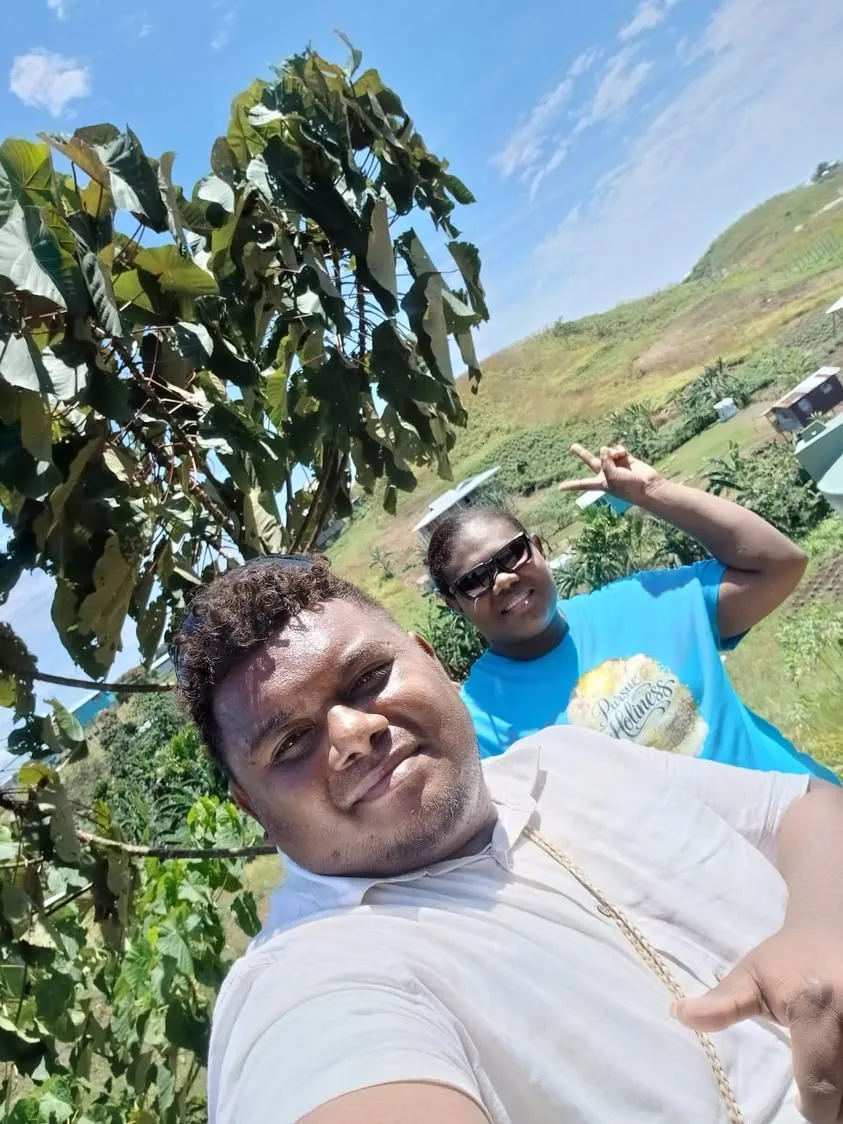
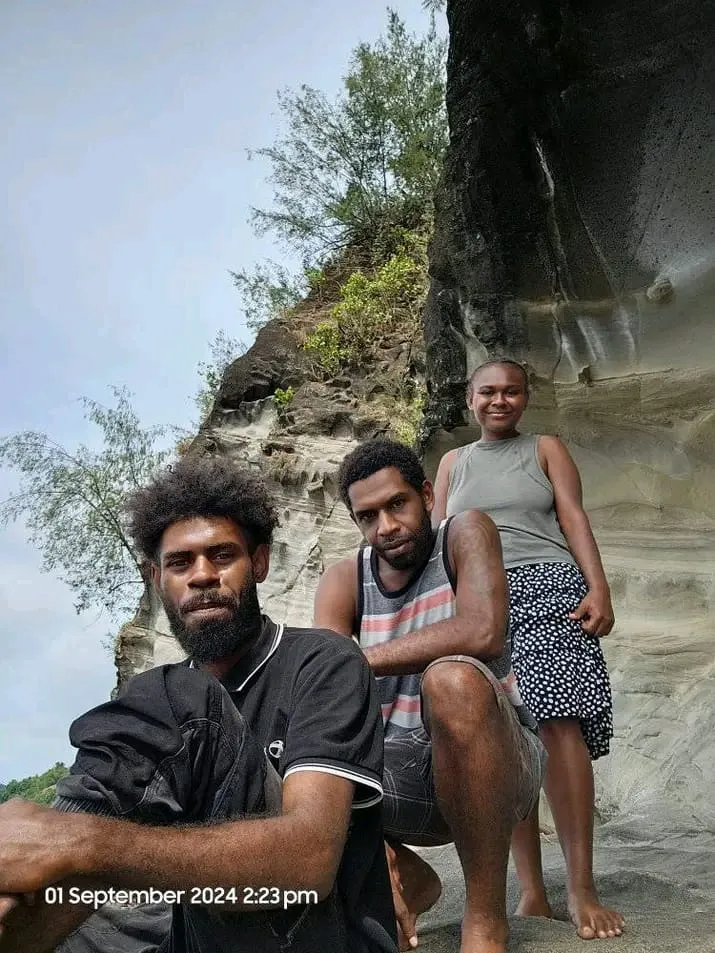
'Enjoying Our Telekom because it keeps me connected with the friends and family who mean the most to me. ❤️📱 No matter the distance, we’re always just a call or message away. 📶🇸🇧'
📸 拍下瞬间,连接彼此 ❤️📱
第43号作品 | 获赞越多,越有机会赢得精彩奖品。
“我喜欢Our Telekom,因为它让我与最重要的朋友和家人保持联系。❤️📱 无论距离多远,我们始终只需一通电话或一条信息就能联系彼此。📶🇸🇧”
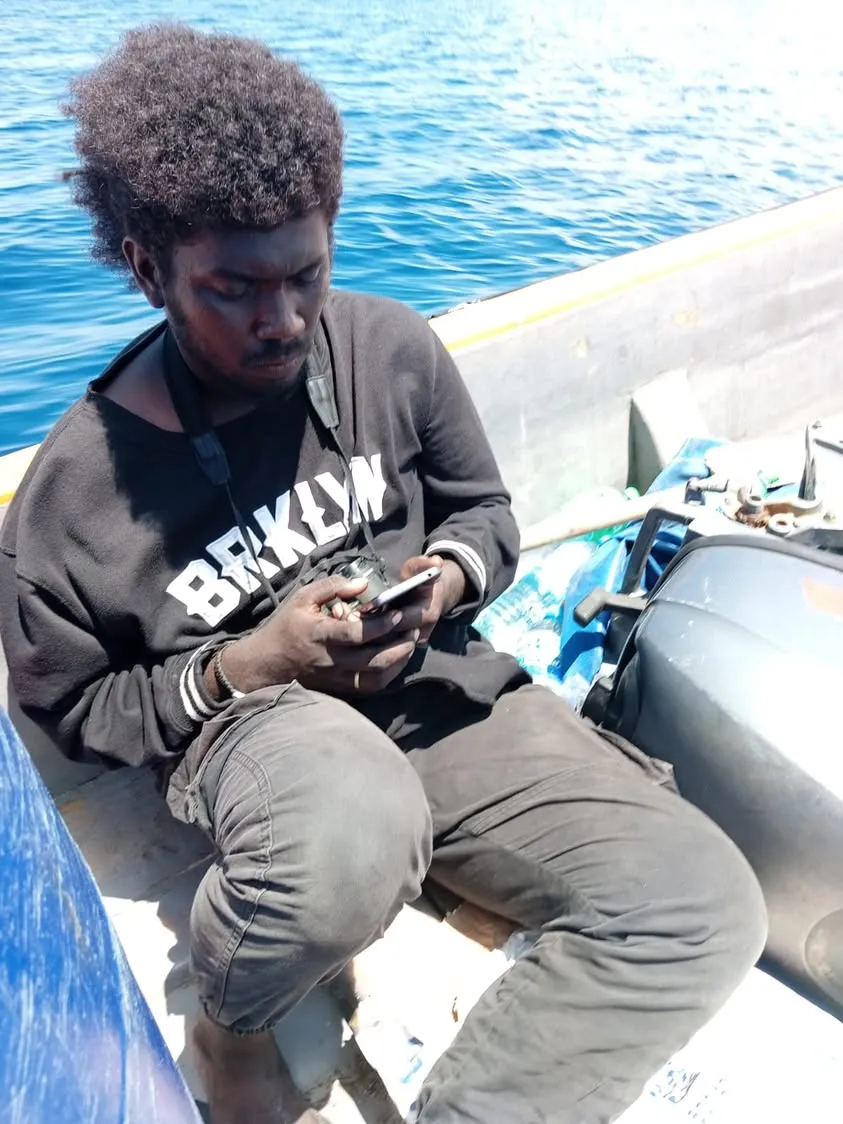
📸 SNAP AND CONNECT ❤️📱
Entry 42 | The more likes gets you to win awesome prizes.
'Enjoying Our Telekom because it keeps me connected with the friends and family who mean the most to me. ❤️📱 No matter the distance, we’re always just a call or message away. 📶🇸🇧'
📸 拍下瞬间,连接彼此 ❤️📱
第42号作品 | 获赞越多,越有机会赢得精彩奖品。
“我喜欢Our Telekom,因为它让我与最重要的朋友和家人保持联系。❤️📱 无论距离多远,我们始终只需一通电话或一条信息就能联系彼此。📶🇸🇧”
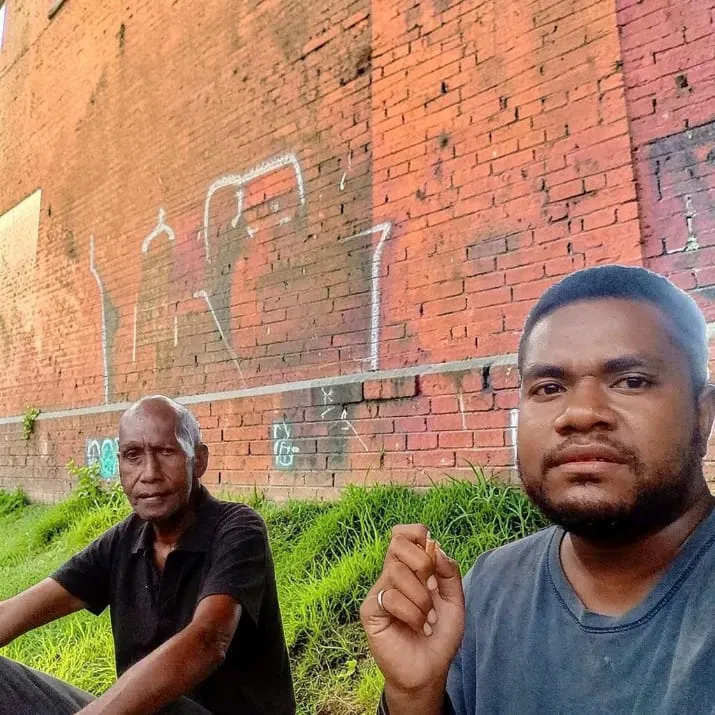
📸 SNAP AND CONNECT ❤️📱
Entry 41 | The more likes gets you to win awesome prizes.
`Shoutout to Our Telekom ❤️
Even though I’m far from my family, your network keeps us close. One call, one message and it feels like home.
Thank you for connecting us.`
📸 拍下瞬间,连接彼此 ❤️📱
第41号作品 | 获赞越多,越有机会赢得精彩奖品。
“为Our Telekom点赞 ❤️
虽然我远离家人,但你们的网络让我们彼此亲近。一通电话、一条信息,就仿佛回到家。
感谢你们让我们保持联系。”
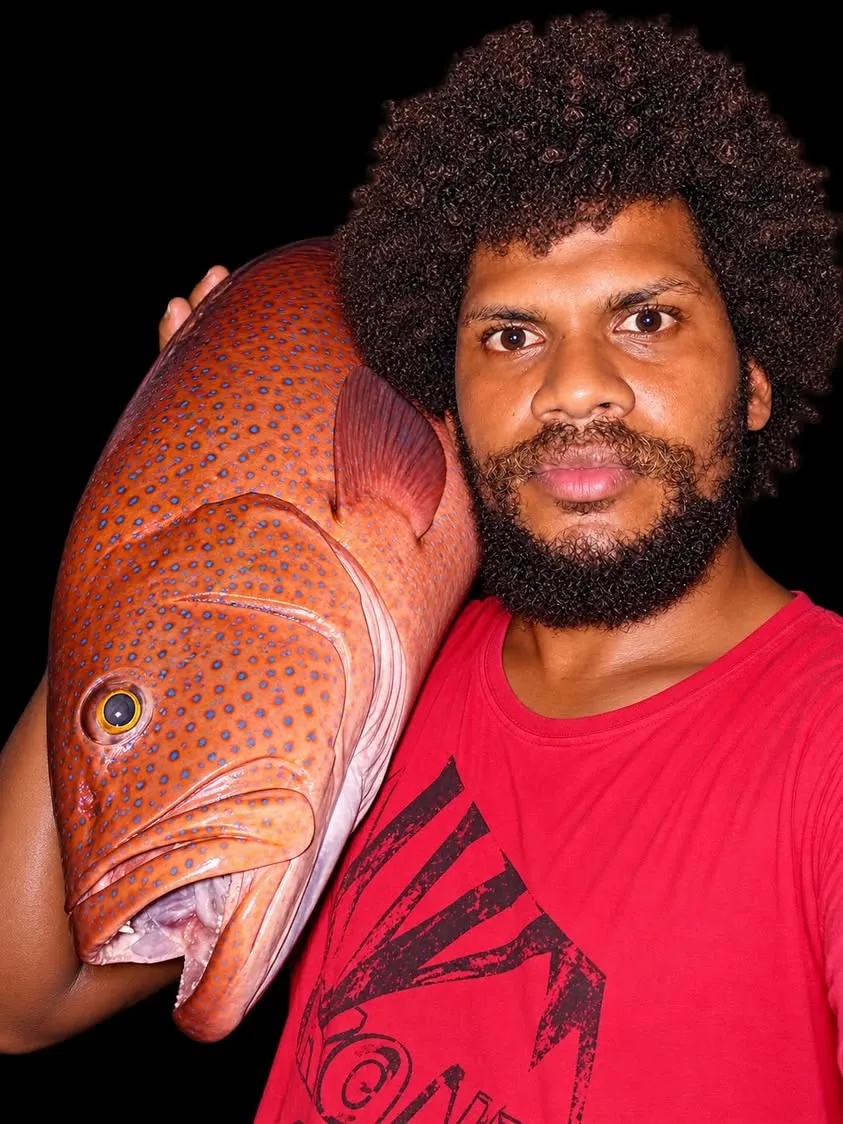
📸 SNAP AND CONNECT ❤️📱
Entry 40 | The more likes gets you to win awesome prizes.
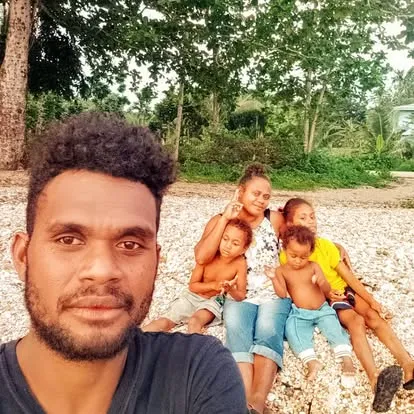
There's no one else I'd rather parent beside but Shane & Shone. Our telekom always connect family together'
📸 拍下瞬间,连接彼此 ❤️📱
第40号作品 | 获赞越多,越有机会赢得精彩奖品。
“除了Shane和Shone,我不愿与其他任何人一起养育孩子。Our Telekom始终让家人保持联系。”
📸 SNAP AND CONNECT ❤️📱
Entry 39 | The more likes gets you to win awesome prizes.
'Dear Our Telekom, we are merely human beings and so staka times umi sae stress😅 but big thanks to your services esp the data plans that help to ease my lonliness and gives me happiness when the gender that talk to the snake give me problems😅😉'
📸 拍下瞬间,连接彼此 ❤️📱
第39号作品 | 获赞越多,越有机会赢得精彩奖品。
“亲爱的Our Telekom,我们毕竟都是普通人,很多时候都会感到压力😅。非常感谢你们的服务,尤其是流量套餐,它缓解了我的孤独;当那个‘和蛇说话的性别’给我带来烦恼时,也能让我开心起来😅😉。”
📸 SNAP AND CONNECT ❤️📱
Entry 38 | The more likes gets you to win awesome prizes.
'Same smile, better connection. 🌏📱 Our Telekom makes sure I never miss a moment with my favorite person. Grateful for the network that brings us closer! 🙌
📸 拍下瞬间,连接彼此 ❤️📱
第38号作品 | 获赞越多,越有机会赢得精彩奖品。
“笑容依旧,连接更好。🌏📱 Our Telekom让我不会错过与最重要之人相处的任何时刻。感谢这个让我们更加亲近的网络!🙌
📸 SNAP AND CONNECT ❤️📱
Entry 37 | The more likes gets you to win awesome prizes.
'Behind every quike texting long catch - up calls is a reliable network .Telekom keeping my screen tim up and my stress level down .thanks Telekom'
📸 拍下瞬间,连接彼此 ❤️📱
第37号作品 | 获赞越多,越有机会赢得精彩奖品。
“每一次快速发短信和长时间叙旧通话的背后,都是可靠的网络。Telekom让我的屏幕使用时间增加,却让压力水平下降。谢谢Telekom。”
📸 SNAP AND CONNECT ❤️📱
Entry 36 | The more likes gets you to win awesome prizes.
'From Honiara to the outer islands, Telekom keeps us together.'
📸 拍下瞬间,连接彼此 ❤️📱
第36号作品 | 获赞越多,越有机会赢得精彩奖品。
“从霍尼亚拉到外岛,Telekom让我们始终相连。”
📸 SNAP AND CONNECT ❤️📱
Entry 35 | The more likes gets you to win awesome prizes.
'Back in the past, we used letters to pass messages, and sometimes it could take days even a whole month before the message finally reached the person.
But now, thanks to Our Telekom , we can send messages anytime, anywhere, and get replies before we even finish typing!
Thank you, Our Telekom, for saving us from the “Dear Sir/Madam... please wait 30 days for delivery” TELEKOM IU NAMBA WAN KABANI BLO IUMI'
📸 “拍下瞬间,连接彼此” ❤️📱
第35号参赛作品 | 获得更多点赞即可赢取精彩奖品。
“过去,我们用书信传递消息,有时要等上好几天,甚至整整一个月,消息才能送到对方手中。
如今,多亏了 Our Telekom,我们随时随地都能发送消息,甚至还没打完字就能收到回复!
感谢 Our Telekom,让我们告别‘尊敬的先生/女士......请等待30天送达’的年代。TELEKOM IU NAMBA WAN KABANI BLO IUMI(Our Telekom 是我们第一的公司)。”
Saturday 22nd August 2026
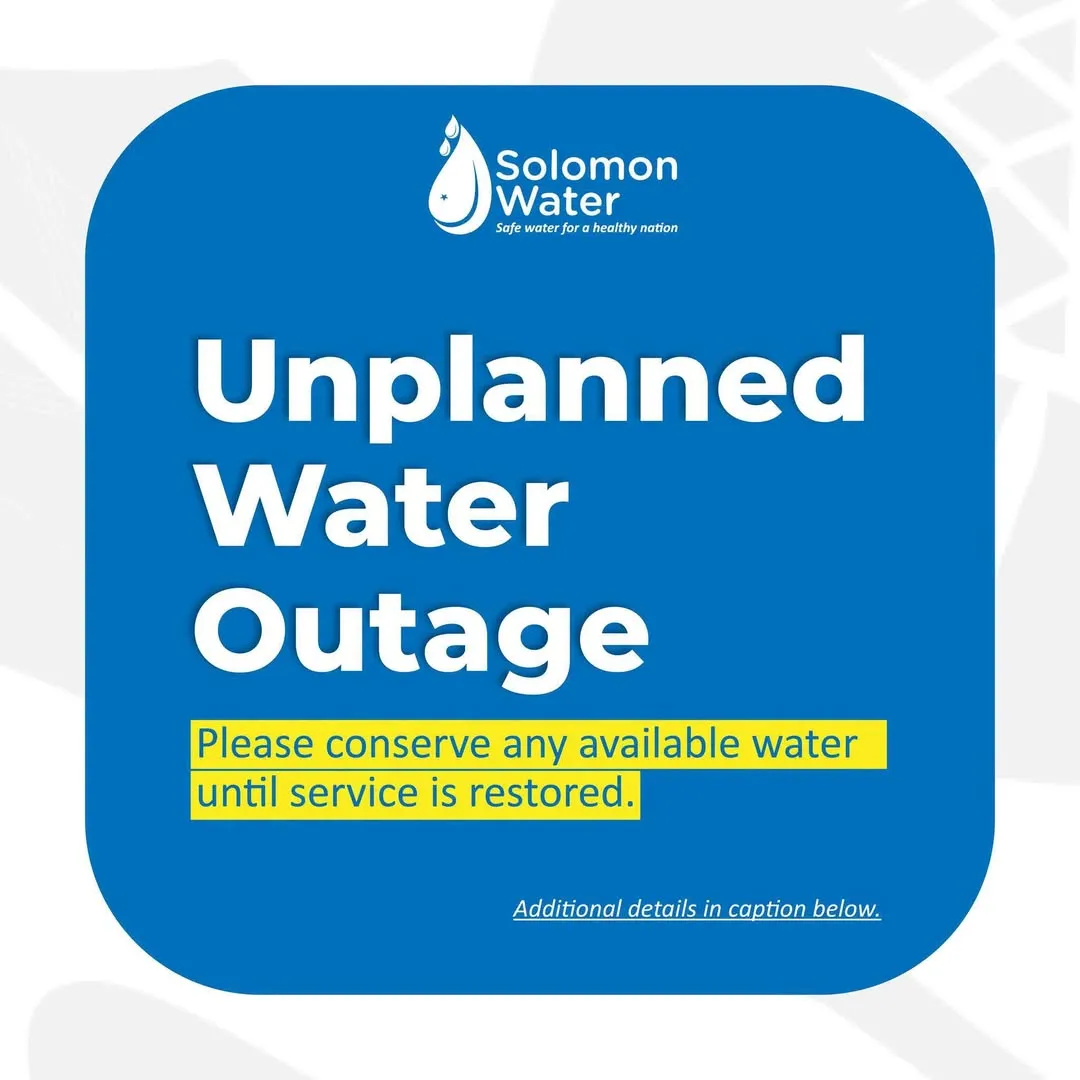
UNPLANNED WATER DISRUPTION – Titinge
Solomon Water would like to inform our valued customers that due to a burst pipe at Titinge, water supply has been temporarily shutdown to allow our team to carry out repair works.
Customers living in and around the following areas may experience low water pressure or no water during this time:
Naha Heights
Green Valley
Titinge
Mbokona
Lengakiki
Vavaya Ridge
Mbokonavera 1–5
Skyline
Papaho
Choviri
West Kola Ridge
East Kola Ridge
Tanuli
Bua Valley
Feralado
Zion
Kombivatu
East Kola and surrounding areas
Our team is working to repair the burst and restore water supply as soon as possible.
We apologise for the inconvenience caused and thank you for your patience and understanding.
For more information, please contact Customer Care Service.
Phone: 44700
Email: service@solomonwater.com.sb
2026年8月22日,星期六
突发水源中断——提廷格
所罗门水务公司希望通知我们尊贵的客户,由于提廷格地区的管道破裂,水供应已暂时关闭,以便我们的团队进行维修工作。
居住在以下地区的客户在此期间可能会经历低水压或无水供应:
纳哈高地
绿谷
提廷格
姆博科纳
伦加基基
瓦瓦亚岭
姆博科纳维拉 1-5
天际线
帕帕霍
乔维里
西科拉岭
东科拉岭
塔努利
布阿谷
费拉拉多
锡安
孔比瓦图
东科拉及周边地区
我们的团队正在努力修复破裂的管道,并尽快恢复水供应。
我们对造成的不便表示歉意,并感谢您的耐心和理解。
如需更多信息,请联系客户服务中心。
电话:44700
电子邮件:service@solomonwater.com.sb
📸 SNAP AND CONNECT ❤️📱
Entry 24 | The more likes gets you to win awesome prizes.
'Big thank you to OurTelekom for keeping us connected! With internet, texts, and calls, staying in touch with the people we love is so much easier. Thank you for making life a little more convenient and keeping us connected, no matter the distance.🙏'
📸 SNAP AND CONNECT ❤️📱
第24条 | 点赞越多,赢取精彩奖品。
'非常感谢 Our Telekom,让我们保持联系!有了互联网、短信和电话,与我们爱的人保持联系变得容易多了。感谢你让生活变得更加便利,无论距离多远,我们都能保持联系。🙏'
📸 SNAP AND CONNECT ❤️📱
Entry 23 | The more likes gets you to win awesome prizes.
'Our Telekom is very important,it connects the world and powers the modern life,it supports everything from emergency service and Healthcars, and also our Telekom is helping people around the world to connects to each other's,we find life is very easy to talk to your family, thank you our Telekom barava capani blo iumi.'
📸 SNAP AND CONNECT ❤️📱
第23条 | 点赞越多,赢取精彩奖品。
'Our Telekom 非常重要,它连接了世界并驱动现代生活,支持从紧急服务到医疗保健的一切,同时 Our Telekom 也帮助世界各地的人们相互联系,我们发现与家人交谈变得非常简单,感谢你 Our Telekom barava capani blo iumi。'
📸 SNAP AND CONNECT ❤️📱
Entry 22 | The more likes gets you to win awesome prizes.
'from 1988 to today,thank you our telekom for connecting us'
📸 SNAP AND CONNECT ❤️📱
第22条 | 点赞越多,赢取精彩奖品。
'从1988年到今天,感谢 Our Telekom 让我们保持联系。'
📸 SNAP AND CONNECT ❤️📱
Entry 21 | The more likes gets you to win awesome prizes.
'Our Telekom service is helping our people around the world to connect with each other, we find life easy from financial difficulties, education online, services us from emergencies and many more so even from connecting with your friends around the world.
Thank you to our Telekom Kabani blo iumi.'
📸 SNAP AND CONNECT ❤️📱
第21条 | 点赞越多,赢取精彩奖品。
'我们的 Our Telekom 服务帮助我们世界各地的人们相互联系,我们发现生活变得容易,解决经济困难、在线教育、紧急服务等问题,甚至可以与世界各地的朋友保持联系。
感谢你 Our Telekom Kabani blo iumi。'
📸 SNAP AND CONNECT ❤️📱
Entry 21 | The more likes gets you to win awesome prizes.
'With Our Telekom Data plans and reliable Networks ,it bring us together my darling daughter'
📸 SNAP AND CONNECT ❤️📱
第21条 | 点赞越多,赢取精彩奖品。
'有了 Our Telekom 的数据计划和可靠的网络,它让我们团聚,我亲爱的女儿。'
📸 SNAP AND CONNECT ❤️📱
Entry 18 | The more likes gets you to win awesome prizes.
'Where ever we are around SI, Our Telekom still provides excellent connection 🎉😎'
📸 SNAP AND CONNECT ❤️📱
第18条 | 更多的点赞将让你赢得精彩奖品。
'无论我们身处所罗门群岛的何处,我们的电信公司(Our Telekom)始终提供卓越的连接 🎉😎'
📸 SNAP AND CONNECT ❤️📱
Entry 13 | The more likes gets you to win awesome prizes.
'Daddy Nelo AKA Totu says Our Telekom is our barava nice company, through thin and thick Our Telekom will always be the helper and saviour. If it is not our beautiful Telekom then ba imi radio wireless yet...'
📸 SNAP AND CONNECT ❤️📱
第13条 | 更多的点赞将让你赢得精彩奖品。
'Daddy Nelo AKA Totu说我们的电信公司(Our Telekom)是我们非常好的公司,无论顺境逆境,我们的电信公司始终是我们的帮助者和救星。如果没有我们美丽的电信公司,那可能就没有无线电台了...'
📸 SNAP AND CONNECT ❤️📱
Entry 12 | The more likes gets you to win awesome prizes.
'📱❤️ Distance may separate us, but Telekom keeps us connected. Wherever we are, we’re always just a call or message away.
Telekom — Stay Connected. 📶🌍'
📸 SNAP AND CONNECT ❤️📱
第12条 | 更多的点赞将让你赢得精彩奖品。
'📱❤️ 距离可能将我们分开,但电信公司(Telekom)让我们保持连接。无论我们身在何处,我们总是只需一个电话或信息的距离。
电信公司 — 保持连接。 📶🌍'